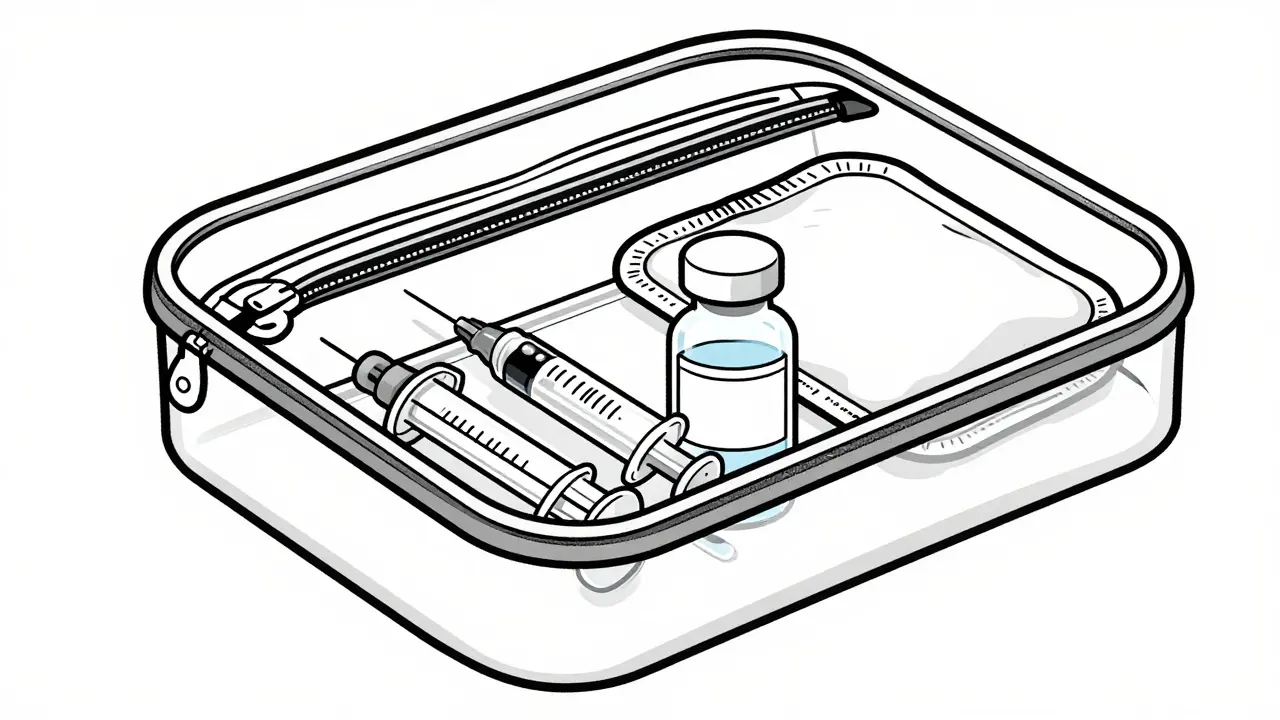
The main goal here is to keep you safe and the flight crew secure. For most people, the TSA (Transportation Security Administration) allows you to bring medically necessary syringes and medications through checkpoints. In fact, there is no strict limit on the number of unused syringes you can carry, provided they are accompanied by the medication they are intended for. However, the way you pack them and how you announce them to officers can make the difference between a five-minute breeze and a thirty-minute interrogation.
The Golden Rules for Liquids and Medications
You've probably heard of the 3-1-1 rule, which limits liquids to 3.4 ounces. Here is the first big relief: medically necessary liquids are exempt from this limit. If your medication exceeds 100ml, you can still bring it, but you must declare it to the officer before screening begins. To avoid any confusion, keep your medication in its original pharmacy packaging. When the name on the bottle matches the name on your passport or ID, it removes almost all ambiguity for the security agent.
If your medicine needs to stay cold, you can bring gel packs or ice packs. These are also exempt from the 3.4-ounce rule. Keep in mind that gel packs may be subject to additional screening, so keep them in a separate, easy-to-reach part of your carry-on. One pro tip: request a visual inspection if you're worried about X-rays affecting temperature-sensitive biologics, though most modern scanners are safe for these items.
Handling Sharps and Used Needles
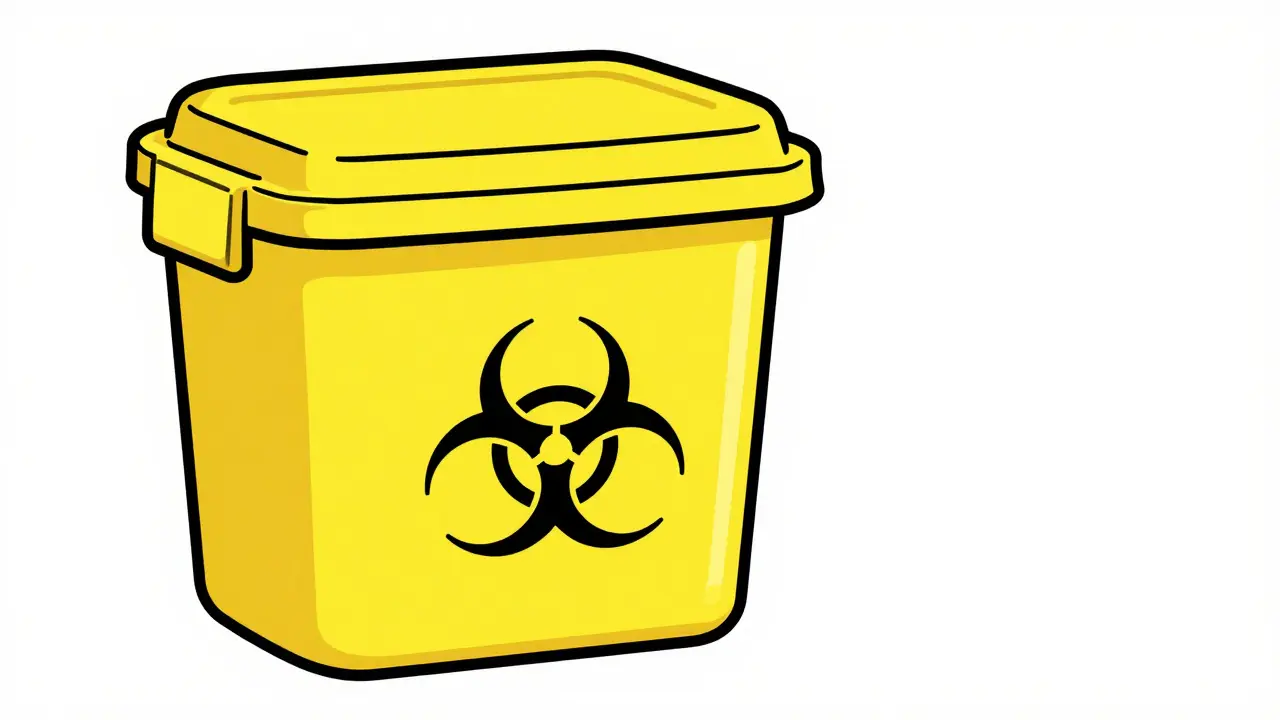
While unused needles are easy to transport, used ones are a different story. You cannot simply toss a used syringe into your carry-on bag. For safety, used needles must be stored in an FDA-approved sharps container. These containers are rigid, puncture-resistant, and designed to prevent accidental needlestick injuries to airport staff or flight crews. Look for containers that meet IATA Packing Instruction 650 standards and display the universal biohazard symbol.
Using an improvised container-like an old plastic water bottle-is a gamble. Data shows that travelers using official sharps containers have a much higher success rate in passing through security without issues. If you're flying internationally, remember that different countries have different rules. For instance, Japan has very strict limits on the number of syringes you can bring without a specific permit (often limited to 10 units), so check your destination's laws at least 30 days before you leave.
| Item | Quantity Limit | Container Requirement | Declaration Needed? |
|---|---|---|---|
| Unused Syringes | No limit (with meds) | Original/Safe Case | Recommended |
| Liquid Meds (>3.4oz) | Medically necessary | Original Pharmacy Label | Yes |
| Used Sharps | As needed | FDA-Approved Sharps Bin | Yes |
| Gel/Ice Packs | No limit | Leak-proof/Insulated | Yes |
Essential Documentation for a Smooth Trip
While the TSA doesn't strictly require a doctor's note for most injectable medications, having one is a smart move. A simple letter from your physician stating your medical condition and the necessity of your supplies can act as a "fast pass" if you encounter an officer who is unfamiliar with the rules. If you're traveling with an insulin pump or a continuous glucose monitor, a medical note is even more valuable, as these devices often trigger additional screening.
Another great tool is the TSA Notification Card. It's a simple form you can download and fill out that tells the officer exactly what you have in your bag. This reduces the need for long explanations while you're standing in a crowded security line. If you're flying with a European carrier, be aware that they follow EASA regulations, which often require your documentation to be translated into the language of your destination country.
Practical Tips for the Security Line
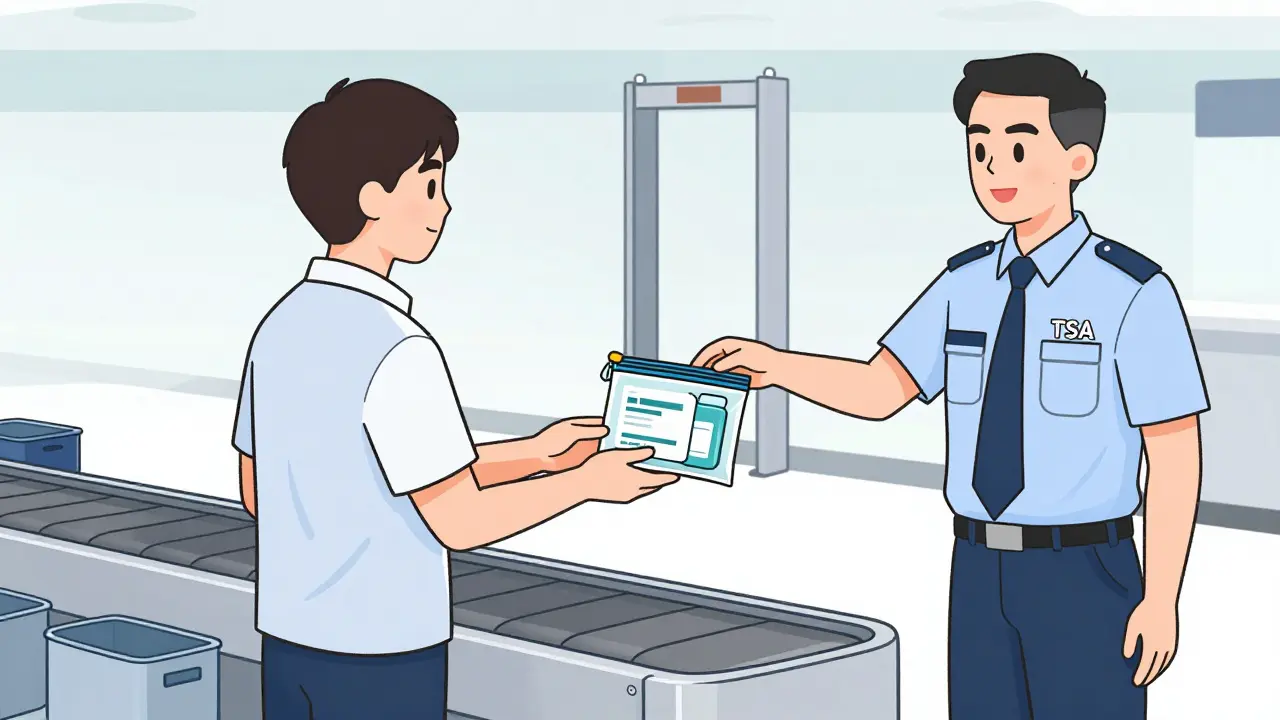
Preparation is everything. Give yourself an extra 30 to 45 minutes of buffer time. Even with the best documentation, medical supplies can occasionally lead to a manual bag search. To keep things moving, pack your medications and sharps in a clear, separate pouch. When you reach the bin, pull the pouch out and tell the officer, "I have medically necessary injectables and a sharps container in here." Being proactive usually results in a much faster resolution than waiting for the officer to find the needles during the X-ray process.
If you have the option, use TSA PreCheck. Many travelers find that it cuts the screening time for medical devices by nearly half, as the environment is generally less rushed and the officers are more accustomed to a streamlined process. Also, avoid packing your medication in your checked luggage. If your bag gets lost or delayed, you're left without your medication, which can quickly turn a travel hiccup into a medical emergency.
Common Pitfalls to Avoid
- The "Syringes Only" Mistake: Never carry a large number of syringes without the corresponding medication. This is a red flag for security and can lead to significant delays or questioning.
- Improvised Sharps Storage: Avoid using cardboard boxes or thin plastic containers for used needles. Only use puncture-resistant bins.
- Mismatched Names: Ensure the name on your prescription matches your travel ID exactly. Discrepancies can lead to unnecessary scrutiny.
- Last-Minute Packing: Don't wait until the day of the flight to organize your supplies. Use a checklist to ensure you have enough medication for the entire trip, including potential layovers.
Can I bring my insulin pump through the X-ray machine?
Yes, you can bring insulin pumps and glucose monitors through security. However, some passengers prefer to request a pat-down or visual inspection because they are concerned about the device's electronics. You have the right to request an alternative to the X-ray or full-body scanner for your medical device.
Do I need a prescription to carry syringes on a plane?
In the U.S., the TSA does not strictly require a written prescription for syringes if they are accompanied by medication. However, carrying a copy of your prescription or a doctor's note is highly recommended to avoid delays, especially when traveling internationally.
What happens if my medication is more than 3.4 ounces?
Medically necessary liquids are exempt from the 3-1-1 rule. You can bring larger quantities, but you must declare them to the TSA officer at the beginning of the screening process. Keep them in their original packaging for the quickest verification.
Can I use a regular plastic bottle for my used needles?
No. You should use a dedicated, FDA-approved sharps container. Regular plastic bottles are not puncture-resistant and can lead to needlestick injuries for airport staff, which may result in your container being confiscated or flagged.
Are there any countries that ban syringes?
Not banned, but some countries have very strict limits. For example, Japan requires special permits for carrying a large number of syringes. Always research the customs regulations of your destination country 30-60 days before your trip.
All Comments
Kenzie Evans April 14, 2026
Seriously this is just basic stuff that anyone with a brain knows. Why is this even a guide? Just go to the TSA website and stop wasting everyone's time with these obvious tips. It's honestly embarrassing that people need a manual to carry a needle on a plane
Jasmin Stowers April 15, 2026
good reminders for those who get anxious about security lines
Scott Lofquist April 17, 2026
Actually the 'golden rules' are way too lenient 🙄 If you actually care about systemic security you'd realize that relying on a 'doctor's note' is just a loophole for people who can't follow protocol. I've seen people practically smuggle a pharmacy through the gate just because they had a piece of paper. It's a total joke how the system handles this 🤡💉
Sam Dyer April 18, 2026
Who cares about Japan's rules when we got the best system in the USA anyway :) just stick to the domestic flights and you're golden. This whole guide is a bit wordy but the gist is just don't be a weirdo with your needles and you'll be fine. EZ PEZ
Ikram Khan April 19, 2026
OMG the stress of a security line is literally the worst thing ever!! 😱 I always forget my notes and then I'm just standing there like a deer in headlights!! Has anyone else tried the clear pouches? Do they actually help or is it just another thing to carry around? help me out here!! ✨
Catherine Mailum April 20, 2026
yeah because the TSA agents are just so famous for being reasonable and understanding during a manual search. i'm sure they'll be totally thrilled to see your biohazard bin while they're ripping through your bag. just wonderful
Randy Ryder April 22, 2026
From a clinical perspective the emphasis on IATA Packing Instruction 650 is critical for maintaining bio-containment protocols during transit. The interstitial risks associated with improvised sharps containers are non-trivial especially when considering the potential for needle-stick injuries and subsequent blood-borne pathogen exposure within the confined environment of an aircraft cabin. It is imperative that travelers distinguish between simple medication storage and the rigorous requirements of a hazardous waste disposal system. Most people underestimate the volatility of biologics when subjected to pressure changes and temperature fluctuations in the cargo hold, which is why carry-on is the only viable option for temperature-sensitive pharmaceutical agents. Ensuring the thermolability of the medication remains intact requires a precise balance of insulation and accessibility. Furthermore, the synergy between a physician's attestation and the physical pharmaceutical labeling creates a redundant verification layer that minimizes the probability of administrative friction at the checkpoint. This approach mitigates the risk of cargo sequestration by customs officials in jurisdictions with restrictive pharmacological imports. It is also worth noting that the electromagnetic interference from X-ray scanners is generally negligible for most insulin pumps, though the psychological stress of the screening process can induce glycemic variability in diabetic patients. Utilizing the TSA notification card serves as a semiotic bridge between the passenger's medical necessity and the officer's security mandate. Ultimately, the goal is to achieve a state of regulatory compliance without compromising the patient's hemodynamic stability or medication adherence during the voyage.
Olivia Lo April 23, 2026
While the technical jargon of regulatory compliance is useful, we should perhaps consider the holistic experience of the traveler. There is a delicate balance between the institutional requirements of aviation security and the individual's right to medical autonomy. Navigating these bureaucracies can be an exercise in patience and diplomacy, but it ultimately leads to a more harmonious transit for everyone involved.