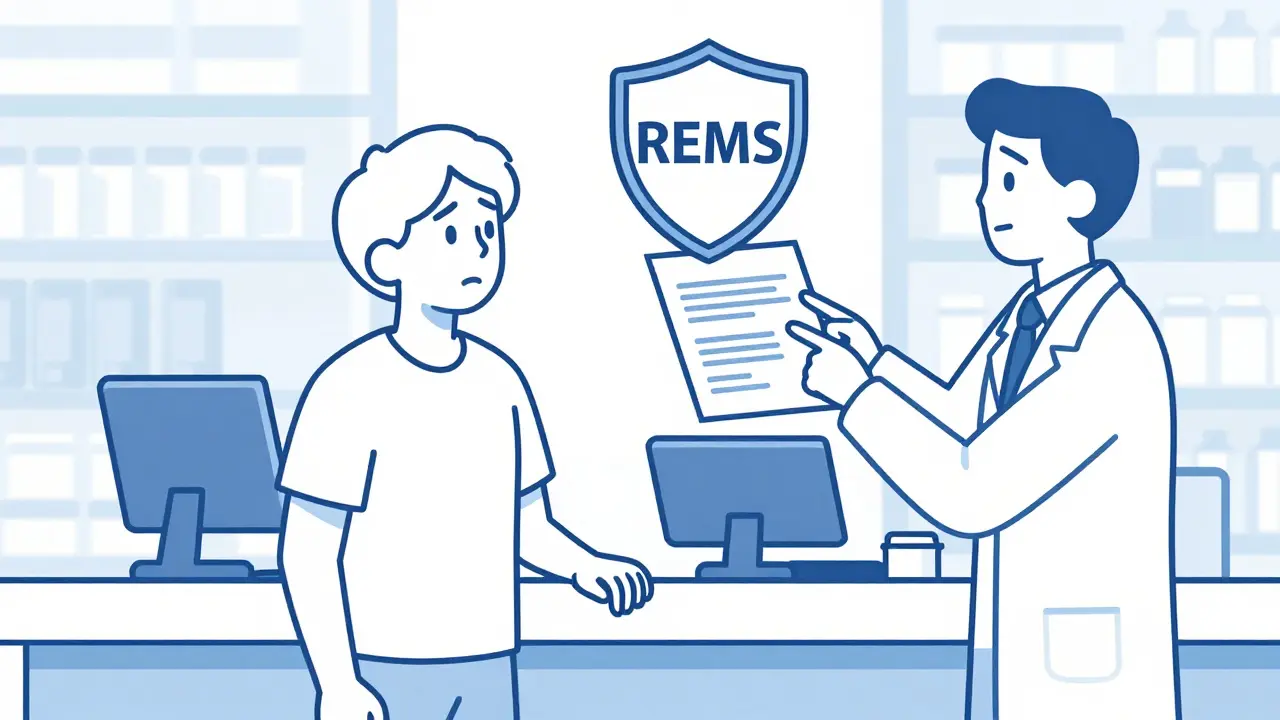
You've just been prescribed a new medication, but your doctor or pharmacist mentions something called "REMS" and tells you there are extra steps you need to take before you can actually get the drug. It sounds like a bureaucratic nightmare, and if you're already dealing with a health issue, the last thing you want is more paperwork. But here is the reality: these programs aren't just red tape. They are safeguards for drugs that are incredibly effective but could be dangerous if used incorrectly.
Essentially, REMS is a Risk Evaluation and Mitigation Strategy, a safety program mandated by the U.S. Food and Drug Administration (FDA) for medications with serious safety concerns. The goal is to make sure the benefits of a powerful drug outweigh its risks. Without these programs, the FDA simply wouldn't approve some of these life-saving medications because the risks would be too high for general use.
Quick Checklist for REMS Verification
If you are in a hurry, use this simple three-step process recommended by safety experts to verify if your medication has special requirements:
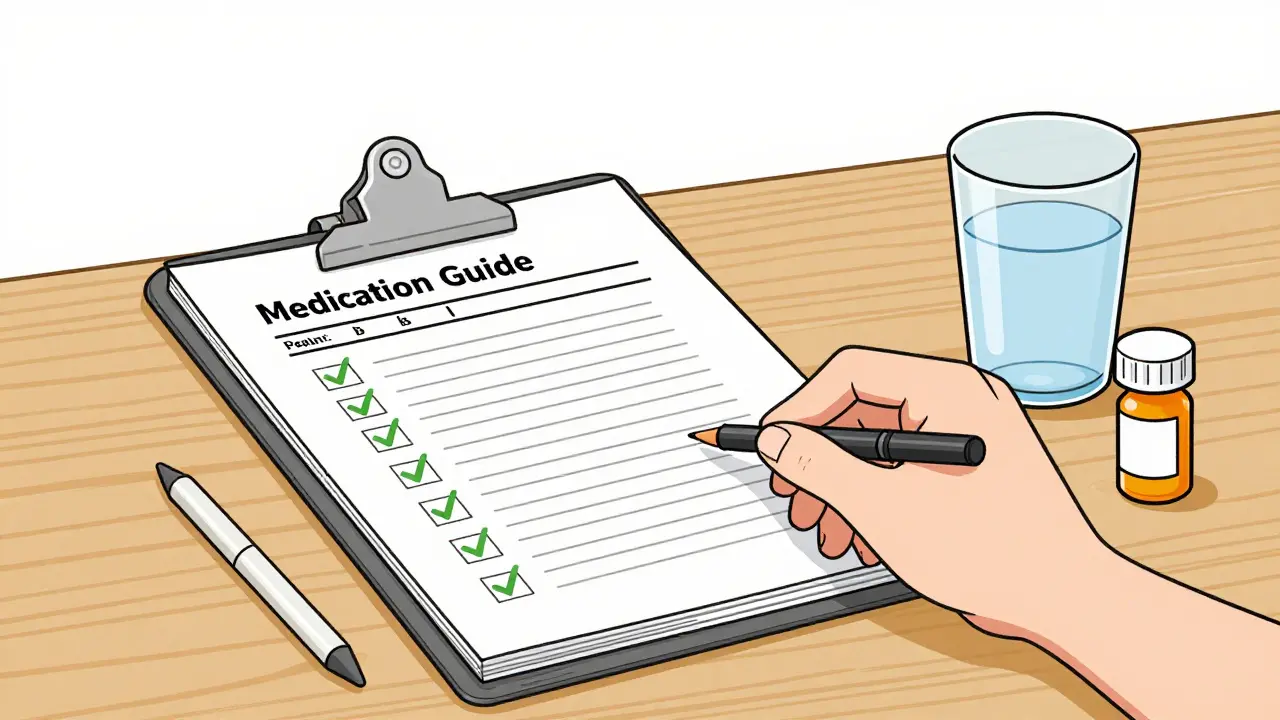
- Check the Label: Look for a REMS indication or a "Medication Guide" mention on the drug packaging.
- Search the FDA Database: Use the official FDA REMS list to see if the drug is active in a safety program.
- Confirm with the Pharmacy: Your pharmacist is the final gatekeeper and can tell you exactly what forms or certifications are missing.
How to Navigate the FDA REMS Database
The most reliable place to start is the official FDA website. They maintain a comprehensive database where you can search for any medication to see if it's part of an active program. If you want a more visual experience, the REMS Public Dashboard is an interactive tool that lets you filter through all active programs.
When using these tools, look for Elements to Assure Safe Use (ETASU). This is the technical term for the "strict" requirements. If a drug has ETASU, it means you can't just walk into any pharmacy and pick it up. You might need to be in a certified facility, or your doctor might need a special certification. For instance, if you're starting a medication like Zyprexa Relprevv, you can't just take it at home; you must be at a certified healthcare facility that can monitor you for at least three hours to watch for specific side effects.
Common Types of REMS Requirements
Not every REMS program is the same. Some are just about information, while others are strict controls. Here is how they usually break down:
| Component | What it is | Who it affects | Example |
|---|---|---|---|
| Medication Guide | A paper handout with safety warnings | Patient | Vyvanse patient guides |
| Prescriber Certification | Training the doctor must complete | Doctor/NP | Thalidomide certification |
| Patient Registry | Mandatory sign-up to track use | Patient & Doctor | iPLEDGE for isotretinoin |
| Facility Certification | Drug must be given in a specific clinic | Clinic/Hospital | Zyprexa Relprevv centers |
Dealing with High-Restriction Programs like iPLEDGE
Some programs are famous for being rigorous, and iPLEDGE is the most well-known. This program manages isotretinoin (used for severe acne) because the drug can cause severe birth defects. Because of this, the requirements are non-negotiable: both the patient and the prescriber must register in the iPLEDGE system.
If you're entering a program like this, don't wait until the day you want your prescription. These systems often require monthly pregnancy tests for women or specific registration windows. If you miss a deadline or a test, the system will block the pharmacist from dispensing the drug. To avoid this, visit the standalone program website (like ipleDGEprogram.com) to see the exact timeline for your registration.
The Role of Your Healthcare Team
You aren't expected to do all this alone. Your doctor and pharmacist are your primary resources. However, be aware that REMS can be a burden for them too. Some surveys show that physicians spend an extra 12 to 13 minutes per prescription just handling the REMS paperwork. Because of this, they might occasionally miss a step.
To ensure a smooth start, ask your doctor: "Is this drug part of a REMS program? Do I need to sign up for a registry, or do you need to be certified to prescribe this?" If the drug is for pain management, like certain opioid analgesics, the requirements are usually simpler, focusing on doctor education rather than patient registration.
Potential Pitfalls and How to Avoid Treatment Delays
The biggest risk with REMS isn't the medicine-it's the delay in getting it. Research shows that nearly 42% of patients in these programs experience at least one treatment delay, sometimes by over a week. This usually happens because of a communication gap between the doctor's office and the pharmacy.
To prevent this, follow these pro tips:
- Request the Medication Guide early: Read it before your first appointment so you can ask questions about the risks.
- Verify the pharmacy: Not every pharmacy is "certified" to dispense REMS drugs. Call your pharmacy to ensure they can handle the specific drug's requirements.
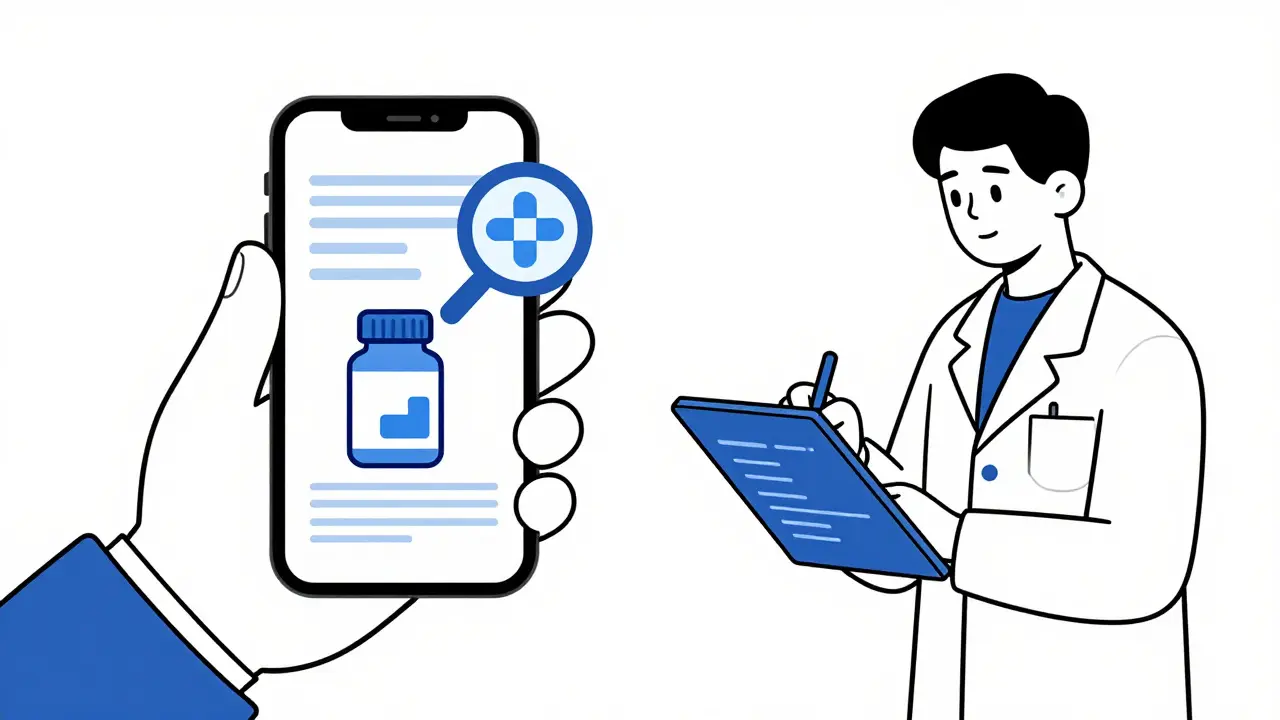
- Use digital tools: Check if your medication has a smartphone app for verification. The FDA now requires new REMS programs to be more mobile-friendly to reduce these delays.
- Document everything: Keep a folder of your enrollment forms and certifications. While the FDA requires providers to keep records for 10 years, having your own copy prevents a missing form from pausing your treatment.
What happens if I refuse to follow REMS requirements?
If the requirements aren't met, the pharmacist legally cannot dispense the medication. The system will essentially "lock" the prescription. This is for your safety, as REMS drugs often have risks that could be fatal or cause permanent disability if not monitored.
Does every "dangerous" drug have a REMS program?
No. Many drugs have "Black Box Warnings" or standard warnings, but REMS is a specific, mandated program. Currently, there are about 76 approved REMS programs. It is a higher level of oversight used only when standard labels and warnings aren't enough to ensure safety.
Where can I find the most current list of REMS drugs?
The best source is the FDA's official REMS database at fda.gov. You can also use the REMS Public Dashboard for a more interactive way to search by drug name or application number.
How long does it take to get certified for a REMS drug?
It varies by drug. For some, it's a simple registration. For others, like thalidomide, doctors may need to complete training that takes around 65 minutes. As a patient, your registration usually takes a few minutes, but you may need to wait for a confirmation email or a lab test result before the drug is released.
Can I switch pharmacies if my current one doesn't support REMS?
Yes, but you must ensure the new pharmacy is a "certified" provider for that specific REMS program. Not all pharmacies have the administrative capacity or certification to handle ETASU medications.
Next Steps for Patients and Caregivers
If you've just found out your medication requires REMS, your first move should be to call your pharmacist. Ask them, "What specific registration or documentation is needed for this drug to be dispensed?" This avoids the surprise of arriving at the pharmacy only to find out your doctor hasn't completed their certification.
For those managing medications for a family member, create a shared digital folder with all REMS-related documents. If you are dealing with a rare disease medication, be extra vigilant, as these have a much higher rate of REMS implementation (over 60%) compared to common chronic medications. Stay proactive, keep your registration updated, and don't hesitate to ask your provider for a walkthrough of the process.
All Comments
Olushola Adedoyin April 20, 2026
Big Brother is just using this "safety" garbage to keep a digital leash on us! They want every single pill tracked in a database so they know exactly who is taking what. It's a total power trip by the suits in DC to control our bodies under the guise of health! Wake up people!
Quinton Bangerter April 21, 2026
The sheer arrogance of assuming the FDA is acting in the public's best interest is staggering. These REMS programs are essentially a convenient way for pharmaceutical giants to create artificial scarcity and tighten their grip on the distribution chain, while pretending they're "saving lives." It is a textbook example of regulatory capture masquerading as altruism.
Truman Media April 23, 2026
It is truly a blessing that we have such careful systems to keep us safe. We should be very thankful for the doctors who do this hard work for us. 😊 Peace and health to everyone! ✨
Tanya Rogers April 24, 2026
One finds it quaint that some actually believe a checklist suffices for such complex systemic failures. The bureaucratic inertia inherent in these programs is a fascinating study in inefficiency, yet most of you seem content to simply "follow the steps" without questioning the ontological nature of medical authority in the modern era.
Aman Tomar April 25, 2026
Oh my god, the stress of missing a deadline for these forms is just too much to bear!! I once had a terrible expereince where the paperwork was wrong and I felt absolute agony waiting for the medsyne to arrive!! It is truly a heartbraking situation when the system fails the patient so cruely!!
caesar simpkins April 26, 2026
Just keep it chill and stay on top of your docs. It's a lot of noise, but as long as you've got your boundaries set with the clinic, you'll be golden. Just a wild ride sometimes, man!
Akshata Kembhavi April 26, 2026
This is super helpful for anyone new to the system. I've seen a few friends struggle with this stuff, and having a simple list makes it way less scary.
Cynthia Didion April 28, 2026
American medicine is the gold standard. These regulations are why we lead the world. Period.
Venkatesh Venky April 30, 2026
Need to optimize the UX for these registries. Total lack of interoperability between the EMR and the REMS portals. We need a full API integration to stop the bottleneck at the pharmacy level and improve the patient journey. Let's push for better tech!
anne camba April 30, 2026
The intersection of safety and bureaucracy is a heavy burden... but necessary... I suppose... in a world of risk... we trade freedom for security... always... so always... always...