Supplement-Drug Interaction Checker
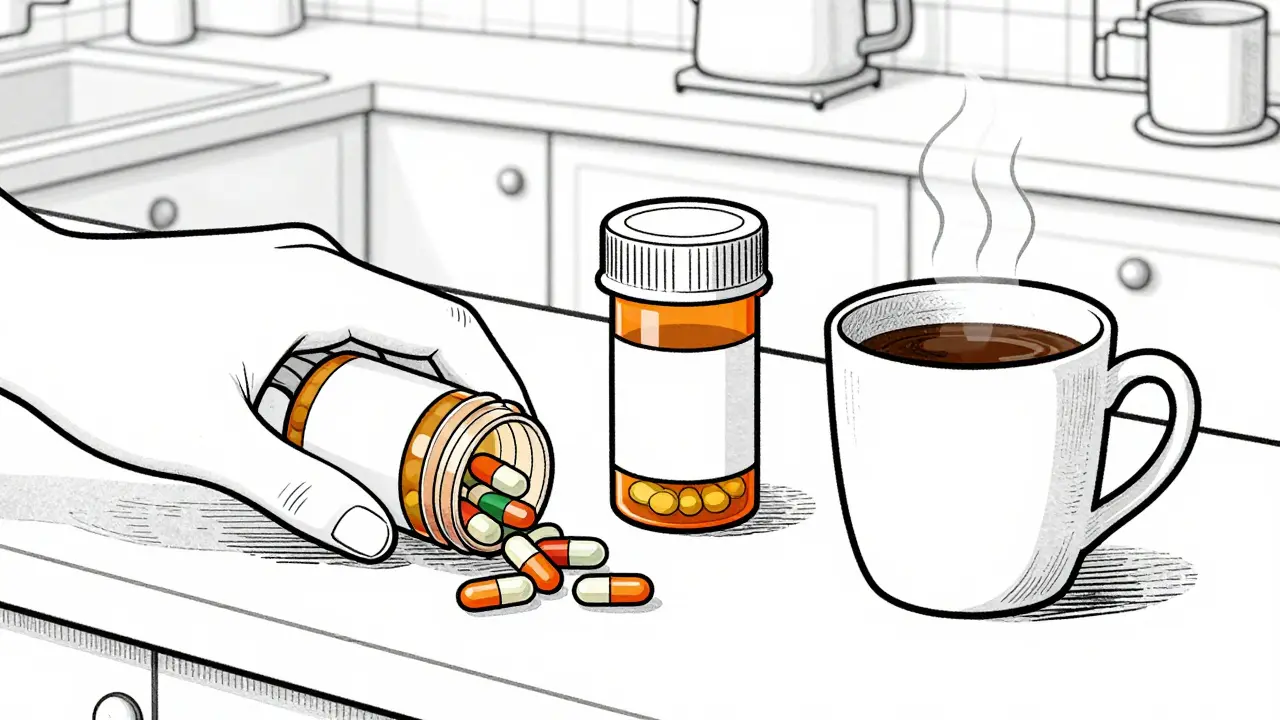
You take your morning coffee, swallow your prescription pills, and pop a multivitamin or herbal capsule. It sounds like a routine start to the day, but for millions of people, this habit hides a dangerous gap in healthcare. You might be mixing substances that cancel each other out, spike your blood pressure, or even cause liver damage without you ever seeing it coming.
We often think of dietary supplements as harmless because they are sold over the counter. But chemically, your body doesn't care about the label 'natural.' It cares about molecules. When those molecules meet pharmaceutical drugs, they can trigger complex reactions known as drug-supplement interactions. The problem isn't just that these interactions exist; it's that most of us-and many doctors-don't know how to check for them properly until something goes wrong.
This guide cuts through the confusion. We will walk you through exactly how to use specialized drug interaction databases that include supplement checking capabilities, why standard search engines fail you here, and what specific steps you need to take to protect your health. Whether you are a patient managing chronic conditions or a healthcare professional looking to refine your workflow, understanding this process is non-negotiable for safety.
Why Standard Checks Fall Short
If you have tried typing "does vitamin C interact with antibiotics" into a generic search engine, you probably got a wall of conflicting blog posts. Some say yes, some say no, and none tell you *why* or *how severe* it is. This is because general web searches lack clinical precision. They don't account for dosage, metabolic pathways, or individual health factors.
The scale of the issue is massive. According to the National Health and Nutrition Examination Survey (NHANES), roughly 52% of adults in the United States use dietary supplements. Meanwhile, nearly half of adults aged 57 to 85 take at least one prescription medication alongside a supplement. This overlap creates a perfect storm for adverse events. In fact, a study published in JAMA Internal Medicine estimated that supplement-drug interactions contribute to approximately 23,000 emergency department visits every year in the U.S. alone.
The core issue is complexity. Supplements aren't single-molecule drugs. A bottle of "St. John's Wort" contains dozens of active compounds. A "proprietary blend" energy drink might hide five different stimulants. Generic databases often miss these nuances. To truly check for risks, you need tools built specifically for this job-tools that map ingredients, not just brand names.
Choosing the Right Database Tool
Not all databases are created equal. If you are a clinician or a highly engaged patient, you need to know which tools actually deliver accurate data. The market has evolved significantly since the early 2000s when Lexicomp first introduced its supplement module. Today, several platforms stand out, but they serve different needs.
| Database | Best For | Key Strength | Limitation |
|---|---|---|---|
| NatMed (Natural Medicines) | Clinical Precision | Maps 1,900+ supplements to 51,000+ commercial products; 94.3% reliability rate among pharmacists. | Subscription-based; less accessible for casual users. |
| DrugBank | Broad Research | Covers 14,300+ nutrient-drug pairs; excellent for academic research. | Only 42% of interactions include detailed mechanism explanations. |
| FDB MedKnowledge | Hospital Integration | Used by 92% of US hospitals; integrates with EHR systems via HL7/FHIR. | Limited to 2,400 supplement entries compared to NatMed. |
| PHYDGI | Herbal Focus | Quantifies herbal interaction strength on a 0-10 scale. | Narrow scope; focuses only on phytotherapy. |
For most clinical scenarios, NatMed is currently the gold standard. A 2024 validation study by Langley et al. found it had superior inter-rater reliability compared to general drug databases. It doesn't just tell you "interaction found." It explains the mechanism-whether it's a CYP450 enzyme inhibition or a pharmacodynamic clash-and offers management strategies. If you are an independent practitioner or a patient willing to dig deep, NatMed provides the deepest ingredient-level mapping available.
However, if you are working within a large hospital system, you are likely using FDB or Epic-integrated tools. These are robust for common drugs but may lack depth for obscure herbal blends. Always be aware of the tool's limitations. If a database says "no interaction found," it might mean there is no risk, or it might mean the database simply hasn't indexed that specific supplement yet.
Step-by-Step: How to Check for Interactions
Checking for interactions isn't just about typing two names into a box. It requires a structured approach to ensure accuracy. Here is the proven workflow used by clinical pharmacists to minimize error.
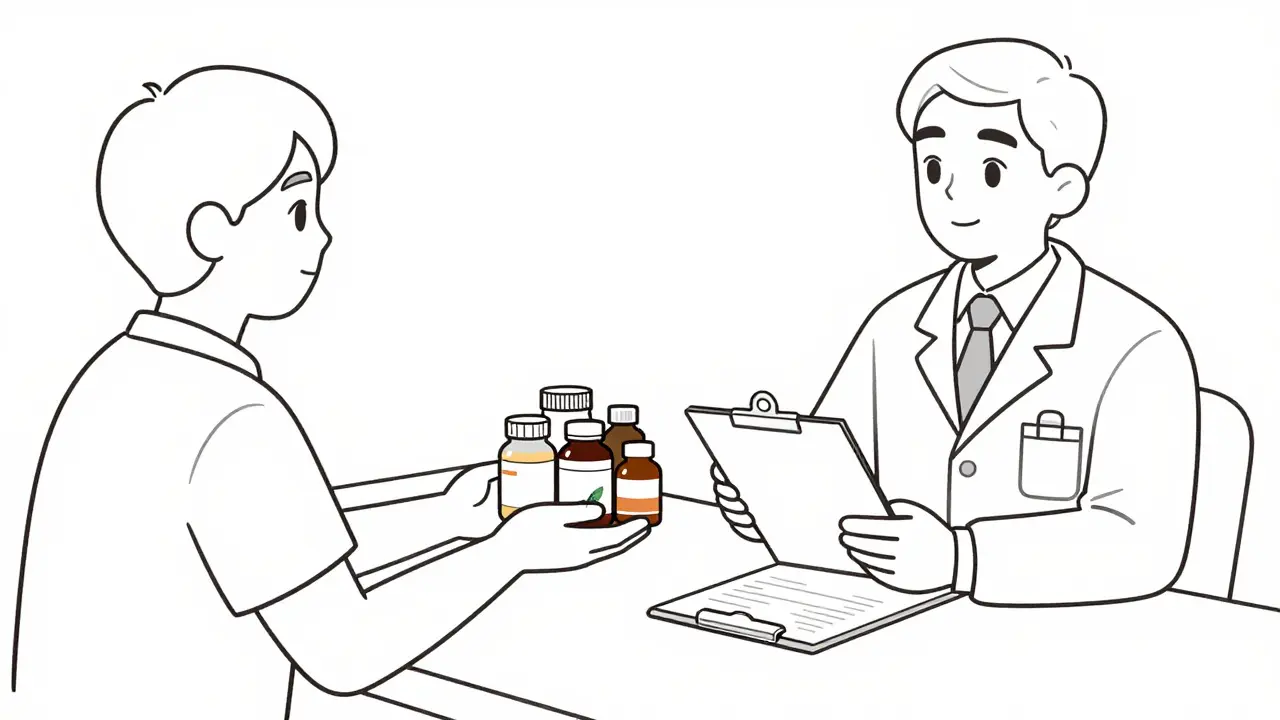
- Gather Complete Data: Start by listing every substance the patient takes. This includes prescriptions, over-the-counter meds, vitamins, minerals, herbal teas, and topical creams. Don't rely on memory. Ask the patient to bring their actual bottles to the appointment. Studies show patients only disclose 37% of their supplement use voluntarily.
- Identify Active Ingredients: Look past the brand name. A product called "Joint Relief" might contain glucosamine, chondroitin, and devil's claw. You must check each active component separately. Proprietary blends are red flags-if the label doesn't list exact amounts, assume the worst-case scenario for interaction potential.
- Enter Data into the Database: Use a dedicated tool like NatMed or DrugBank. Enter the drug name and the specific supplement ingredient. Avoid searching by brand name unless the tool explicitly supports product-level mapping (like NatMed's barcode scanner feature).
- Analyze Severity Levels: Most databases categorize interactions into tiers: Contraindicated (do not use together), Major (high risk, monitor closely), Moderate (possible risk), and Minor (low risk). Focus your attention on Contraindicated and Major categories.
- Understand the Mechanism: Read the explanation. Is the supplement inhibiting a liver enzyme (like CYP3A4) that breaks down the drug? This could cause toxic drug buildup. Or is it competing for absorption? Understanding the "why" helps you decide whether to adjust the dose, switch the supplement, or add monitoring labs.
- Document and Monitor: Record the finding in the patient's chart. Set up a follow-up plan. If you decide to continue both substances, schedule blood work to check for toxicity or therapeutic failure.
This process takes time, but it prevents errors. For example, a case at Johns Hopkins Hospital highlighted how identifying an interaction between apixaban (a blood thinner) and ginkgo biloba prevented a life-threatening bleed in an elderly patient. The database flagged the increased bleeding risk due to pharmacodynamic synergy, allowing the team to intervene before harm occurred.
Common Pitfalls and How to Avoid Them
Even with the best tools, mistakes happen. Here are the most frequent errors and how to sidestep them.
- The "Natural" Fallacy: Never assume a supplement is safe just because it's plant-based. St. John's Wort induces liver enzymes so aggressively that it can render HIV medications, birth control pills, and transplant rejection drugs ineffective. Always treat supplements with the same scrutiny as pharmaceuticals.
- Incomplete Disclosure: Patients often forget "occasional" supplements. Use standardized questionnaires, such as the 10-item Supplement History Interview, to prompt recall. Ask specifically about energy drinks, protein powders, and traditional remedies.
- Ignoring Emerging Products: New supplements hit the market faster than databases update them. As of Q2 2024, only 37% of CBD-related drug interactions were documented in commercial databases. If you see a new trend (like adaptogens or nootropics), cross-reference multiple sources and consult primary literature if possible.
- Over-Reliance on Alerts: Alert fatigue is real. If your system pops up warnings for every minor interaction, you might ignore the major ones. Customize your settings to prioritize high-risk combinations based on the patient's specific conditions.
The Future of Interaction Checking
The landscape is shifting rapidly. With the global drug interaction database market projected to grow at an 11.7% CAGR through 2030, technology is catching up to user needs. We are seeing AI-powered natural language processing improve name recognition, reducing false negatives by nearly 40%. Blockchain pilots by the FDA aim to verify supplement contents directly from manufacturers, solving the "what's really in this bottle" mystery.
Regulatory pressure is also mounting. The FDA's 2023 draft guidance now encourages including supplement interaction data in new drug applications for medications with narrow therapeutic indices. This means future drugs will come with clearer instructions on what to avoid. For now, however, the burden falls on you-the patient or the provider-to stay vigilant, ask questions, and use the right tools.
Is it safe to take supplements with prescription medications?
It can be safe, but only after verifying compatibility. Many supplements interact with drugs by altering how the liver processes them or by affecting blood clotting. Always check a reliable database like NatMed or consult your pharmacist before combining any supplement with a prescription, especially if you take anticoagulants, chemotherapy, or heart medications.
Which database is best for checking supplement interactions?
For clinical accuracy, NatMed is widely considered the best due to its high reliability rate (94.3%) and detailed ingredient mapping. For broader research, DrugBank is useful. Hospitals often use FDB MedKnowledge for its integration with electronic health records. Free resources are limited and often less accurate for complex cases.
What should I do if a database shows a "Major" interaction?
Do not stop taking either medication immediately without consulting your doctor. A "Major" interaction means there is a significant risk of side effects or reduced efficacy. Your healthcare provider may adjust the dosage, switch to a different supplement, or increase monitoring through blood tests to ensure safety.
Why don't doctors always ask about my supplements?
Time constraints and patient disclosure rates are major factors. Studies show patients only disclose 37% of their supplement use. Additionally, many clinicians lack training in herbal pharmacology. It is crucial for patients to proactively share a complete list of all substances they take, including vitamins and herbal teas.
Are online free interaction checkers reliable?
Free online tools can provide basic information but often lack the depth and clinical context of professional databases. They may miss proprietary blends or newer supplements. For critical decisions, especially involving high-risk medications like warfarin or insulin, rely on validated clinical tools or direct consultation with a pharmacist.