The Hidden Truth About Generic Drug Insurance
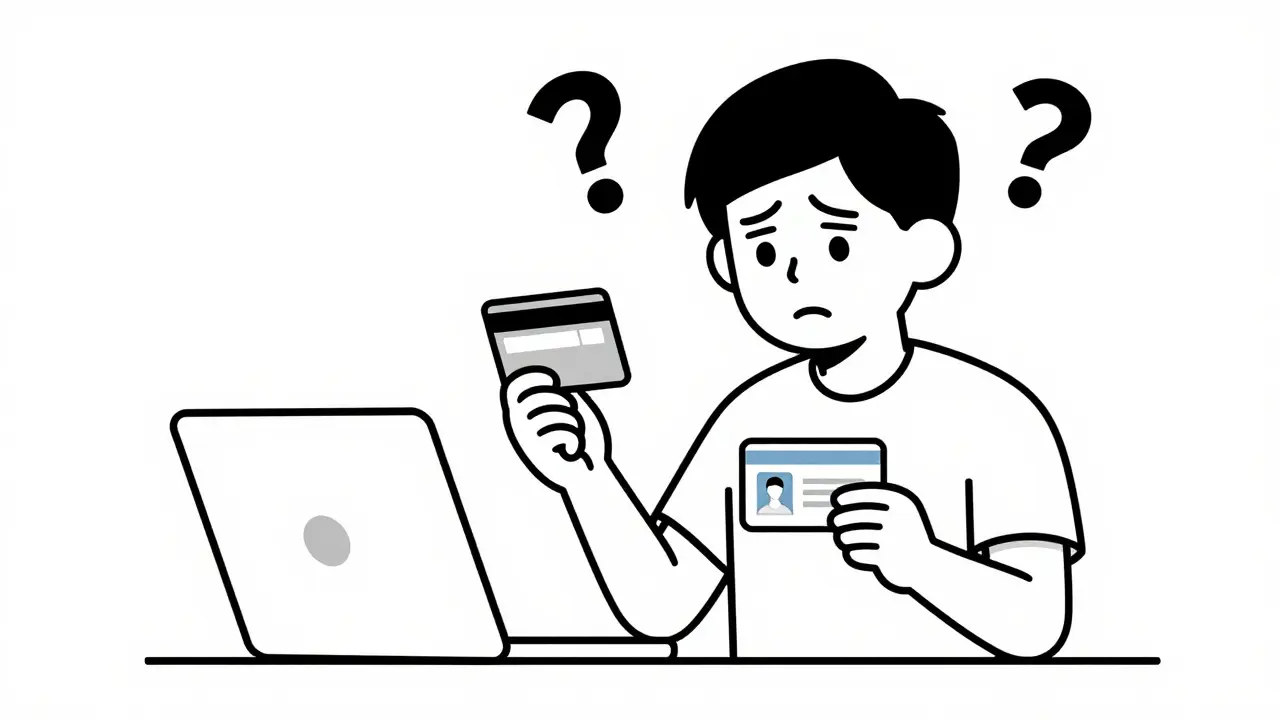
There is a lot of noise out there about saving money on medication. You see ads for Online Pharmacy services promising low prices, but then you try to pay, and your card gets declined. Or worse, the price shown at checkout is different from what your insurance plan covers. This mismatch between digital convenience and insurance policy creates a maze that leaves many patients paying full price unnecessarily. Understanding how your health insurance interacts with these platforms is the only way to secure the lowest legal rate.
You might be surprised to learn that the cheapest option isn't always the one connected to your insurance ID. Sometimes, walking into a local store and paying cash saves more than using your benefits through a specialized Mail-Order Pharmacy. Let's break down exactly where the money goes, who controls the list of covered drugs, and how you can spot the best deal without compromising your safety.
Understanding Your Drug List and Tiers
Your insurance plan does not give every drug equal treatment. They use a tool called a Formulary a comprehensive list of medications covered by your health plan. Think of this list as a menu where items are sorted into "tiers." Most plans place Generic Drugs in the cheapest tier because they contain identical active ingredients to brand names but cost significantly less to produce once patents expire. Typically, these require a fixed copay, often ranging from $5 to $10 for a month's supply.
Higher tiers involve percentage-based costs known as coinsurance. If you get stuck in a non-preferred category, you might pay 50% of the plan's allowance. This tiered system dictates why some generics are cheap and others aren't. To find where your specific medication sits, you must search the formulary directly on your insurer's portal before placing an order. Assuming all generics are free or cheap is a common mistake; some essential maintenance meds are classified differently based on their manufacturer and patent status.
Mail-Order vs. Independent Online Pharmacies
Many people confuse two very different types of internet drug sellers. First, there is the Mail-Order Pharmacy a pharmacy service integrated directly into your insurance plan's network. These operate as extensions of your benefit manager, often run by giants like Express Scripts or CVS Caremark. Because they are built into your plan, your insurance pays automatically, and you usually just owe the calculated copay. These services typically deliver a 90-day supply, which lowers your per-dose cost compared to getting a 30-day refill monthly.
The second type is an independent online entity, such as Amazon Pharmacy or similar competitors. These operate more like standard e-commerce stores. While some accept insurance payments directly, many function as cash-based businesses offering competitive pricing. For example, some have subscription models like Amazon RxPass, charging a flat monthly fee for unlimited refills on common generic prescriptions. However, unlike mail-order pharmacies tied to your ID, independent sites may require you to submit claims manually for reimbursement if they don't integrate with your electronic billing system. Always confirm integration before ordering.
| Feature | Mail-Order Pharmacy | Retail Pharmacy | Independent Online Site |
|---|---|---|---|
| Copay/Cost | Lowest (often tiered) | Standard Plan Copay | Varies (Cash Price or Copay) |
| Supply Duration | Typically 90 Days | Typically 30 Days | Flexible |
| Insurance Network | In-Network | In-Network | Often Out-of-Network |
| Delivery Speed | ~1 Week | Instant / Same Day | Varies (Shipping Time) |
When Paying Cash Beats Using Insurance
This is the strategy most insurance companies hope you never discover. Even though generics sit in the cheapest tier, high deductibles or complex plans can sometimes make the listed price higher than the sticker price. Several major retailers have introduced pricing programs specifically designed to undercut insurance copays. One prominent example is a program at large retail chains where dozens of common generics, including blood pressure and cholesterol medications, are available for $10 for a 90-day supply regardless of insurance status.
If your plan has a high deductible, checking these cash prices first is vital. A standard copay might be set at $15, meaning you pay $45 for a 90-day supply through retail pickup versus $10 cash. This difference compounds quickly for chronic conditions. Before authorizing a prescription transfer, ask the pharmacist what the "cash price" is. If the cash price is lower, simply decline insurance payment processing and pay the cashier directly. This avoids counting that purchase toward your deductible and ensures you walk away with savings immediately.
The Issue of Non-Medical Switching
A significant frustration in modern healthcare is the practice of switching patients without warning. Insurers often mandate taking a specific generic version because it is cheaper for their contract, even if your doctor prefers a different manufacturer. This is often termed "non-medical switching." While generics are biologically equivalent, excipients-fillers or binders-can vary between manufacturers, potentially causing sensitivity issues for some.
To combat unwanted switches, doctors can request prior authorization. This formal letter tells the insurance company, "This specific brand or manufacturer is medically necessary." Without this documentation, the system defaults to the lowest-cost option on the formulary. Be aware that insurers increasingly use automated systems to force these switches during claim submission. If you experience side effects after a sudden change in pill appearance or name, contact your physician immediately to request a "medical necessity" exception. It requires paperwork, but it protects your stability.

Navigating the Reimbursement Maze
If you choose an out-of-network online source, you must handle the financial legwork yourself. This involves paying the full price upfront and submitting a claim form later. This process is rarely worth it unless the savings are massive. Most plans will only reimburse you up to the amount they would have paid an in-network provider, leaving any extra cost to you.
Furthermore, out-of-network coverage often comes after you've met a separate deductible that is much harder to clear. Before signing up for a new online service, verify their participation status in your PBM Pharmacy Benefit Manager, the intermediary organization handling prescription drug negotiations network. If the website claims to accept insurance, use their verification tool. Enter your member ID and group number to ensure the system recognizes your plan before you hand over a credit card. Relying on verbal assurances from chatbots can lead to unexpected charges.
Practical Steps to Secure Best Coverage
To execute this efficiently, follow this checklist when managing your long-term prescriptions:
- Check Your Formulary: Log into your insurer's portal and locate your specific drug plan document. Search for your active ingredient name (e.g., Lisinopril, Metformin).
- Compare Costs: Calculate the total annual cost of your current copay versus the advertised cash price or mail-order rates.
- Contact the Pharmacy: Before your first order, call the customer support line of the online site. Ask explicitly if they bill your specific carrier electronically.
- Review Delivery Timing: If you are starting a new antibiotic or acute treatment, mail-order delivery (which can take a week) might be too slow. Keep your local network pharmacy for immediate starts.
- Monitor Changes: Formularies update annually, usually around January. A drug covered last year might move to a higher tier this year, so re-check each renewal period.
Expert Perspectives on Cost Containment
Industry experts acknowledge the tension between cost control and patient care. Healthcare attorneys note that while insurers push for generic substitution to save money, physicians emphasize that clinical nuance matters. The rise of direct-to-consumer subscription models has forced traditional insurers to adjust pricing structures, but the core dynamic remains: insurance benefits are defined contracts, not open discounts. As the market evolves toward digital-first care, understanding the mechanics of your policy is the only leverage you have against hidden fees.
Data from federal health plans indicates that nearly 27% of prescription inquiries relate to confusion about substitution policies. This suggests you are not alone in finding the system opaque. Utilize support resources like nurse hotlines included in your benefits packet. Many members ignore these free consultation lines, yet nurses often provide access to real-time formulary data that automated tools might miss.
Can I use my insurance at Amazon Pharmacy?
Amazon Pharmacy accepts most major health insurance plans, but coverage varies by specific plan and medication. Some plans require manual claim submission, while others integrate directly. Always check the specific drug's eligibility before purchasing.
Is mail-order cheaper than the local pharmacy?
For chronic maintenance medications requiring 90-day supplies, mail-order often offers lower copays due to bulk pricing incentives. For example, a $10 mail-order copay covers 90 days, whereas retail might charge $5 per 30 days ($15 total).
What if my insurance won't cover the brand name drug?
If your plan mandates a generic, you must ask your doctor for a prior authorization letter proving medical necessity. Without this documentation, the insurer will likely deny the claim for the brand name and require you to switch.
Are there cash prices lower than my insurance copay?
Yes, especially if you have a high deductible plan. Programs like Walmart's $4 or $10 generic lists often beat standard copays for simple generics. You can pay cash at the counter without using your insurance card.
Why was my pill suddenly changed by the insurance?
Insurers often switch suppliers based on contract changes. This is called generic substitution. If you feel the new pill causes issues, report it immediately to your doctor to request a "dispense as written" override.
All Comments
Beth LeCours April 3, 2026
I wish insurance just covered everything without all this math homework nonsense.
angel sharma April 4, 2026
It is truly amazing how many people overlook the potential savings available through alternative payment structures. When managing chronic conditions the traditional mindset becomes so entrenched in reliance on standard benefits processing mechanisms. Those mechanisms fail to account for market fluctuations in pharmaceutical pricing tiers effectively. You really need to sit down and analyze your formulary document before touching a credit card. The numbers rarely add up in your favor unless you understand the specific tier logic applied by the benefit manager. Most folks assume generic is always cheaper but then they get hit with coinsurance rates unexpectedly. Such rates make your pocketbook bleed unnecessarily during open enrollment periods. Plan adjustments often shift those cost parameters significantly during renewal cycles each year. We must advocate for ourselves as consumers in this space rather than accepting the status quo. Rising premiums occur while drug affordability remains a distant dream for millions of working individuals today. Remember that independent verification tools exist specifically to help you bypass the confusion easily. These tools help you find the actual lowest price point regardless of what the default checkout screen suggests. It takes effort but the financial return on investment is substantial over a year. Regular refills for maintenance drugs that never go away are essential expenses regardless of timing. Don't let fear of manual billing stop you from pursuing the better deal financially.
Goodwin Colangelo April 5, 2026
Honestly checking the cash price before swiping the card saves money more often than people think regarding high deductible plans.
Hudson Nascimento Santos April 7, 2026
Healthcare economics operates on principles similar to ancient trade markets where value fluctuates based on supply contracts.
Divine Manna April 8, 2026
That distinction regarding PBMs is accurate though few realize the intermediary handles the negotiation leverage directly.
Joey Petelle April 10, 2026
Oh wonderful another lecture from the suits about how saving five dollars is life changing instead of fixing the root cause.
Will Baker April 10, 2026
One should not bother trying to optimize a system designed to fail anyway because the outcome is predetermined by profit margins.
HARSH GUSANI April 12, 2026
Stop letting the foreign companies control our medicine supply chain we need domestic production now 🚩🇺🇸💊
Sam Hayes April 13, 2026
i hear ya man sometimes the online sites are just shady but local places work fast enough for acute stuff usually
Joseph Rutakangwa April 14, 2026
Check the tier first then ask for cash price always verify network status beforehand
Dee McDonald April 15, 2026
You absolutely cannot afford to be passive about this because every dollar saved is a dollar for food later!
Vicki Marinker April 16, 2026
While anecdotal evidence supports these claims the systemic barriers remain insurmountable for many demographics without legislative intervention.
Beth LeCours April 18, 2026
Nobody wants to read pages of terms anyway.