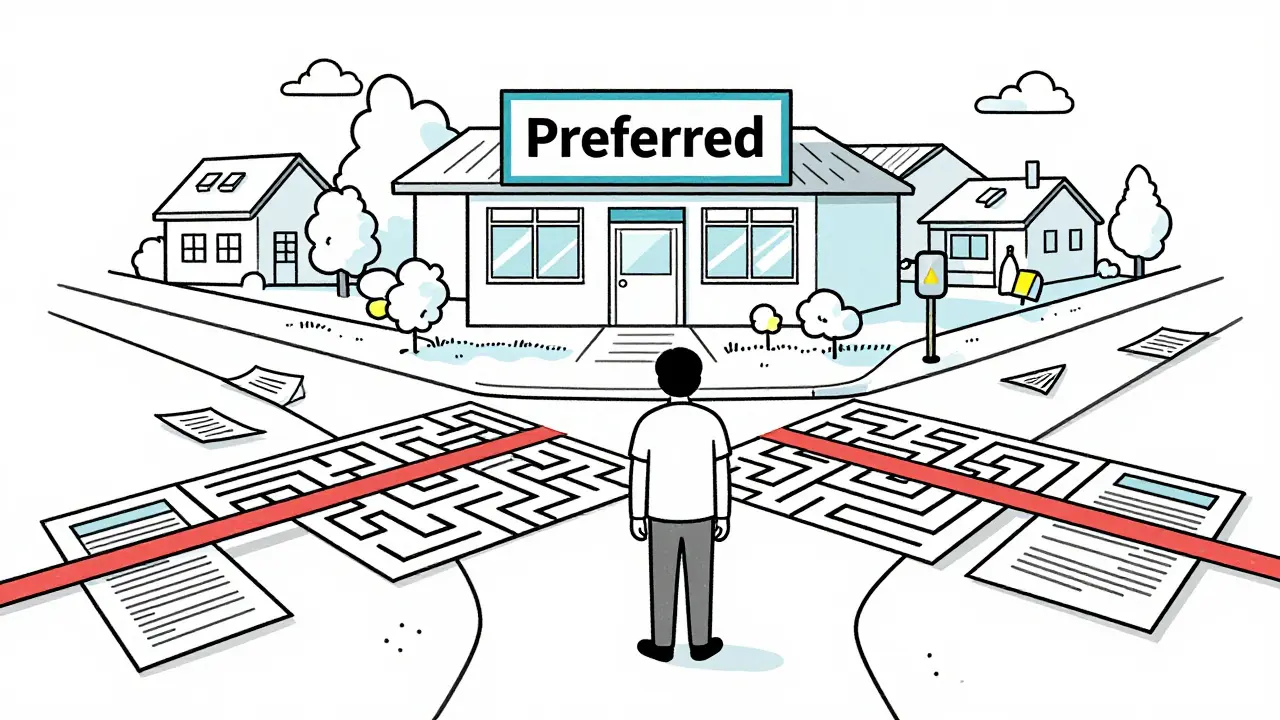
Getting the medications you need shouldn't feel like a full-time job, but navigating the world of government health insurance can sometimes feel that way. If you're on Medicaid, you likely know that while the program helps with a lot, the rules for Medicaid prescription drug coverage can vary wildly depending on where you live. Since Medicaid is a joint federal and state program, your experience in Florida will be different from your experience in North Carolina. The core goal is to make sure low-income individuals and families can access essential medicine without breaking the bank, but the path to getting that pill bottle in your hand often involves a few hurdles.
The reality is that pharmacy coverage is technically an optional benefit under federal law, but don't let that worry you-every single state and the District of Columbia currently provide outpatient prescription drug coverage to their eligible members. However, the "catch" is how they manage those costs. States use a mix of rebates, tiered lists, and strict approval processes to keep spending under control while trying to maintain a decent standard of care.
How Medicaid Decides Which Drugs to Pay For
You won't find one single list of covered drugs for the whole country. Instead, each state manages its own Preferred Drug List (PDL), which is a curated list of medications that the state agrees to cover at a lower cost or with fewer restrictions. Think of the PDL as a menu; some items are "specials" (preferred) and others are available but come with a higher price tag or a need for special permission (non-preferred).
Most states organize these medications into tiers to determine how much you pay out of pocket:
- Tier 1: Usually consists of generic drugs. These are the cheapest for the state and the cheapest for you.
- Tier 2: Typically includes brand-name drugs. These often have higher cost-sharing requirements.
- Non-Preferred: These drugs are covered, but only if you can prove that the preferred options didn't work for you.
For example, if you're in North Carolina, the state might remove certain medications from the PDL if they are no longer "rebate eligible," meaning the pharmaceutical company isn't giving the state a good enough deal to justify the cost. This means a drug you used last year might suddenly move from "Preferred" to "Non-preferred," changing how you access it.
| Tier Level | Typical Drug Type | Cost to User | Approval Requirement |
|---|---|---|---|
| Tier 1 | Generics | Lowest | Usually None |
| Tier 2 | Brand Name | Moderate | Occasional |
| Non-Preferred | Specialty/High-Cost | Highest | Strict (Prior Auth/Trial & Failure) |
The "Trial and Failure" Hurdle
One of the most frustrating parts of the process is a policy called "trial and failure" (T/F). This is common in about 38 states. Essentially, the insurance company says, "We aren't paying for that expensive brand-name drug until you try two cheaper, preferred alternatives first and prove they didn't work."
If you have a chronic condition, like depression or diabetes, this can be a grueling process. Imagine needing a specific medication for mental health, but being told you have to "fail" two different SSRIs before the state will cover a specific version of Wellbutrin XL. While this saves the state millions-North Carolina saved an estimated $127 million between 2010 and 2023 using these lists-it can lead to delays in treatment and patient distress.
To get around this, your doctor must provide a Prior Authorization, which is a formal request from a healthcare provider to the insurance plan for a specific medication. The key to winning a prior authorization is detailed clinical documentation. In fact, nearly 78% of initial denials are overturned on appeal when the doctor provides comprehensive clinical notes proving the preferred drugs are unsafe or ineffective for that specific patient.
Cost-Sharing and the "Extra Help" Advantage
How much you actually pay at the pharmacy counter depends on your specific plan and whether you are a "dual-eligible" beneficiary-meaning you have both Medicare and Medicaid. For many, the cost is minimal, but for others, the copays can add up.
If you qualify for Extra Help (also known as the Low-Income Subsidy), the costs drop significantly. In the current 2025-2026 structure, people with Extra Help often see:
- $0 monthly premiums.
- $0 deductibles.
- Small copays (roughly $4.90 for generics and $12.15 for brand-name drugs).
Once you hit a total drug cost threshold of $2,000, your out-of-pocket costs for covered drugs can drop to $0. The tragedy is that over a million eligible people don't know this benefit exists. If you're on full Medicaid or receive SSI payments, you likely qualify automatically, but it's always worth double-checking with a counselor.
Navigating the System: Practical Tips
Knowing the rules is one thing; actually getting your medicine is another. The learning curve is steep. Data shows that new members often need multiple sessions with assistance counselors just to understand their basic coverage limits. To make the process smoother, follow these steps:
- Check the PDL First: Before your doctor writes the script, look at your state's current Preferred Drug List. If the drug is "Preferred," you're golden. If it's "Non-preferred," prepare for a fight.
- Use Network Pharmacies: Medicaid doesn't let you go anywhere. You must use a participating pharmacy. If you use a mail-order service for maintenance meds, check if it's a "preferred" mail provider to avoid higher costs.
- Arm Your Doctor: When requesting a non-preferred drug, don't just ask for the med. Give your doctor a list of the preferred drugs you've already tried (or why those drugs are dangerous for you). The more clinical detail in the request, the faster the approval.
- Appeal Denials Immediately: A "no" from the insurance company isn't the final answer. Most denials are based on a lack of information, not a lack of need.

Specialty Drugs and Future Trends
The most expensive part of the Medicaid pharmacy budget isn't the common pills for blood pressure or cholesterol-it's specialty medications. While generic drugs make up about 89% of all prescriptions filled, they only account for about 27% of the spending. The real cost drivers are treatments for rheumatoid arthritis, multiple sclerosis, and hepatitis C.
We are entering an era of "gene therapies," where a single treatment can cost over $2 million. Because of this, states are moving toward "value-based purchasing." Instead of just paying for the drug, the state says, "We will pay you if the drug actually works for the patient." This shift is designed to protect the program's budget while still giving patients access to life-changing medicine.
What happens if my medication is not on the Preferred Drug List (PDL)?
If your medication is non-preferred, it doesn't mean it's not covered, but it means you'll likely need a prior authorization. Your doctor must submit a request to Medicaid explaining why the preferred alternatives won't work for you. In many states, you may also have to undergo "trial and failure," meaning you must try two preferred medications before the non-preferred one is approved.
Do I have to pay a copay for my prescriptions?
Copays vary by state and individual plan. Many Medicaid beneficiaries pay very little or nothing for generic drugs. However, brand-name drugs often have higher cost-sharing. If you are a dual-eligible beneficiary (Medicare and Medicaid) and have "Extra Help," your copays are typically capped at very low rates (around $4.90 to $12.15) until you hit a specific annual cost threshold.
How often does the Medicaid drug list change?
Formularies are updated frequently. Some states, like North Carolina, may have scheduled updates quarterly or semi-annually (e.g., July 1st and October 1st). Drugs can be moved from preferred to non-preferred or removed entirely if they are no longer rebate-eligible or if a more cost-effective alternative becomes available.
Can I change my drug coverage during the year?
Starting in 2025, beneficiaries with Medicaid or Extra Help have increased flexibility. In many cases, you can now change your drug coverage options once per month, rather than being locked in until the Annual Enrollment Period. Check with your state agency for the exact rules in your area.
What is a "dual-eligible" beneficiary?
A dual-eligible beneficiary is someone who qualifies for both Medicare (usually due to age or disability) and Medicaid (due to low income). These individuals often have the best coverage options because Medicaid can help pay for Medicare premiums and prescription drug copays through programs like the Low-Income Subsidy.
Next Steps for Better Access
If you're struggling to get a medication covered, your first stop should be a State Health Insurance Assistance Program (SHIP) counselor. They are trained specifically to help you navigate these tiers and authorization processes. If you're a provider, ensure your clinical notes are exhaustive-don't just say the patient "needs" the drug; explain exactly why the Tier 1 and Tier 2 options failed. For those with Medicare, verify your status for "Extra Help" immediately, as it is the single fastest way to reduce your monthly pharmacy bill.
All Comments
julya tassi April 22, 2026
The trial and failure part sounds so scary 😰 I've never heard of that before. It's good to know about the SHIP counselors though! :)
dallia alaba April 22, 2026
It's really crucial for people to realize that the Preferred Drug List isn't set in stone. If you're facing a denial, don't just give up. Your doctor needs to be very specific in the prior authorization request. I always suggest documenting every single side effect from the cheaper alternatives because that's the only language insurance companies actually understand. It's about providing a clinical trail of evidence that makes it impossible for them to deny the more expensive medication on medical grounds.
Tanya Rogers April 24, 2026
One finds it utterly quaint that people believe a bureaucratic system designed for cost-minimization actually cares about "wellness." The very structure of these tiers is a masterclass in institutional indifference, masquerading as an organized healthcare strategy. It is a banal exercise in managing poverty.
Wendy Ajurín April 25, 2026
I concur with the emphasis on the Low-Income Subsidy. The Extra Help program is an indispensable resource that remains tragically underutilized by the population that requires it most.
Akshata Kembhavi April 27, 2026
Man, the US healthcare system is just wild compared to other places. Just reading this makes me glad I don't have to deal with "trial and failure" logic to get a pill lol.
Aman Tomar April 29, 2026
It is truly heartbraking to think about someone with depresion having to suffer through wrong meds just to save a few bucks for the state. The human cost is just too high!! I realy hope people use those SHIP counsellors to fight back against this system.
Grace Grace April 30, 2026
OH MY GOODNESS!! This is a truly catastrophie situation for so many!! We must all rally together and push our doctors to write the most detalied notes possibel!
Do not let the system defeat you!! You are a warrior and you deserve your medicin! I will be praying for everyone struggling with these horribble tiers right now because it is simply too much for one person to bear alone!! Stay strong!
Charlotte Boychuk May 2, 2026
That whole "value-based purchasing" thing sounds like a double-edged sword. Sure, it's great if the drug works, but who defines "works"? Probably some suit in an office who's never seen a patient. Still, better than nothing I guess!