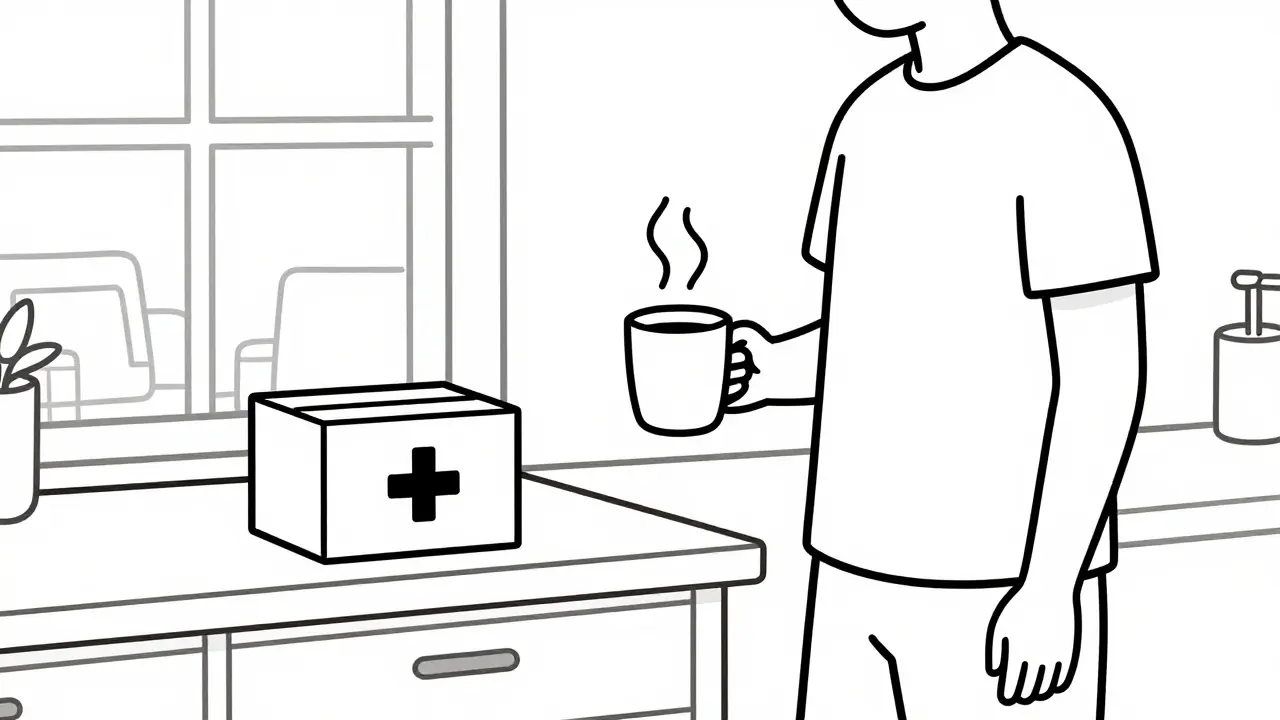
Imagine having your monthly blood pressure medication arrive at your doorstep while you’re still making your morning coffee. For millions of people managing chronic conditions, this isn’t just a luxury-it’s becoming the standard way to handle healthcare logistics. Prescription delivery services have evolved from simple mail-order catalogs into sophisticated digital ecosystems that connect patients, doctors, and pharmacies seamlessly. With the global market for these services projected to grow significantly through 2035, understanding how they work-and specifically how they handle generic medications-is crucial for anyone looking to save time and potentially money on their healthcare routine.
The shift toward home delivery accelerated dramatically during the pandemic, but it has stuck around because it solves real problems. Transportation barriers, long queues at local pharmacies, and the difficulty of remembering refill dates are no longer acceptable hurdles when reliable alternatives exist. Today, we’ll break down what prescription delivery services actually offer, why generics are the backbone of this industry, and how you can choose the right service for your needs in 2026.
How Prescription Delivery Services Work
At its core, a prescription delivery service is a system that enables patients to receive medications directly at their homes or preferred locations through various channels including traditional pharmacy partnerships, online platforms, and subscription-based models. The process typically begins with an electronic prescription sent from your doctor to a partnered pharmacy or a digital health platform. Once received, the pharmacy verifies insurance coverage, dispenses the medication, and hands it off to a logistics partner.
There are three main modes of delivery dominating the market today:
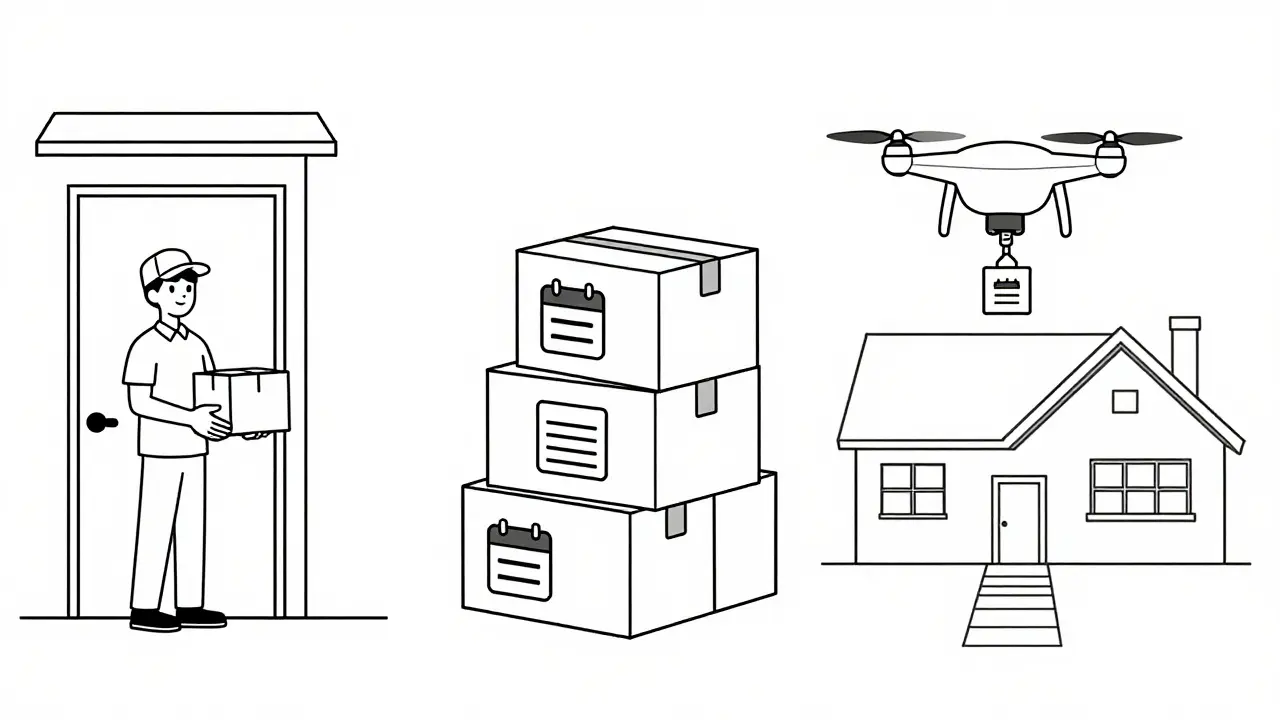
- Physical/Home Delivery: This accounts for about 32.5% of the market share in 2025. It involves courier services or independent contractors bringing packages to your door within a few days.
- Mail-Order Delivery: Often used for maintenance medications (like those for hypertension or diabetes), this method focuses on bulk refills-usually a 90-day supply-to reduce shipping frequency and costs.
- Same-Day Delivery: A rapidly growing segment driven by consumer expectations set by e-commerce giants. Companies like Walmart expanded to 49 states for same-day pharmacy delivery in early 2025, setting a new benchmark for speed.
The technology behind these services is more complex than it appears. Integrated digital platforms use AI-powered medication management tools to track adherence, remind you when refills are due, and even flag potential drug interactions. Real-time tracking systems let you watch your package move from the pharmacy counter to your driveway, reducing anxiety about missed deliveries.
Why Generics Are Central to Home Delivery
If you’ve ever looked at your pharmacy bill, you know that brand-name drugs can be prohibitively expensive. Generic medications are chemically equivalent to their brand-name counterparts but cost significantly less. In fact, generics constitute approximately 90% of all prescriptions written in the United States, yet they represent less than 20% of total spending. This dynamic makes them ideal candidates for delivery services.
However, there’s a catch. While generics make up the vast majority of volume, they generate thin margins for distributors and pharmacies. Prices for generic drugs have dropped by roughly 30% over the past decade, creating pressure on companies to find efficiency gains elsewhere. This is where delivery services step in. By automating the refill process and reducing overhead associated with physical store visits, providers can maintain profitability even on low-margin items.
For consumers, the benefit is clear. You get access to affordable medications without the hassle of driving to a store. Many delivery services also offer price transparency tools that compare costs across different pharmacies, allowing you to choose the most economical option. Some platforms even negotiate direct discounts with manufacturers, passing savings directly to you.
| Feature | Generic Medications | Brand-Name Medications |
|---|---|---|
| Market Share (Prescriptions) | ~90% | ~10% |
| Cost to Consumer | Low (often $4-$10/month) | High (can exceed $100/month) |
| Delivery Frequency | Often 90-day supplies via mail | Usually 30-day supplies via courier |
| Margin for Provider | Thin (requires high volume) | Higher (but lower volume) |
Choosing the Right Service for Your Needs
Not all prescription delivery services are created equal. Some are tied to specific pharmacy chains like CVS Health or Walgreens, leveraging their existing physical infrastructure. Others are digital-native startups like Capsule or Alto Pharmacy, which focus entirely on user experience and seamless integration with telehealth platforms. Then there are retail giants like Amazon (through PillPack) and Walmart, who bring massive logistical capabilities to the table.
When evaluating options, consider these key factors:
- Insurance Compatibility: Ensure the service works with your insurer. Insurance processing delays are a common complaint, especially for generics where pricing complexities can cause administrative holdups.
- Delivery Speed vs. Cost: Same-day delivery is convenient but often comes with a premium fee. If you’re ordering maintenance meds, a slower, cheaper mail-order option might suffice.
- User Interface: Look for apps that offer intuitive medication management features. Can you easily request refills? Do you get reminders? Is customer support accessible if something goes wrong?
- Specialty Handling: If you take temperature-sensitive medications (like certain GLP-1 obesity drugs), verify that the provider uses cold-chain handling. These specialized requirements can impact both cost and reliability.
In the UK, services like Boots Online Doctor and Superdrug Health offer similar conveniences, though regulatory frameworks differ slightly from the US. Always check if the service is registered with the General Pharmaceutical Council (GPhC) to ensure safety and compliance.
Potential Pitfalls and How to Avoid Them
While prescription delivery offers immense convenience, it’s not without challenges. One major issue is communication gaps during delivery exceptions. If no one is home to sign for a controlled substance, the package may be returned, causing delays in treatment. To avoid this, provide detailed delivery instructions and consider using secure lockers or pickup points if available.
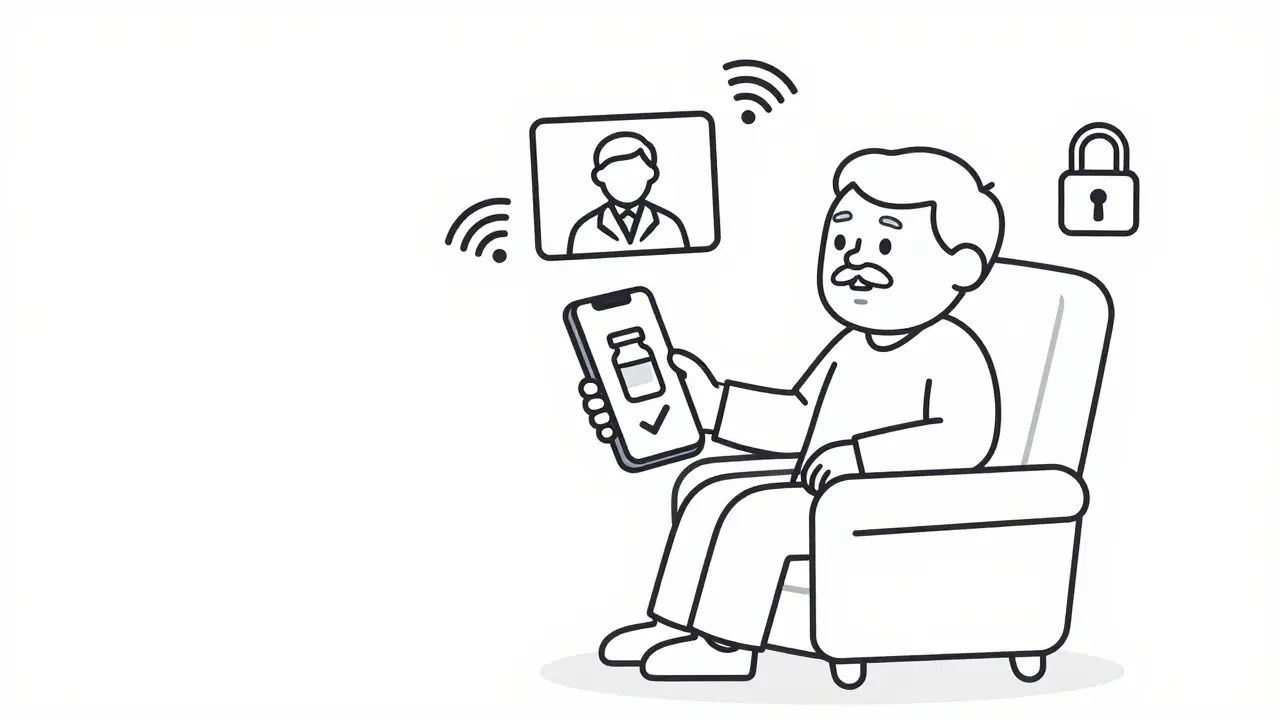
Another concern is digital literacy, particularly among older adults. As the population ages, more seniors rely on these services, but some struggle with app-based interfaces. Look for providers that offer phone support or simplified web portals alongside mobile apps. McKinsey’s 2024 survey noted that while 75% of health executives prioritize digital transformation, resource constraints often lead to clunky user experiences. Choosing established brands with robust customer service teams can mitigate this risk.
Finally, be wary of hidden fees. Some services advertise “free delivery” but require minimum order values or charge extra for expedited shipping. Read the fine print before committing to a subscription plan.
The Future of Medication Access
Looking ahead, the intersection of prescription delivery and broader healthcare trends will shape how we manage our health. Telehealth adoption continues to rise, creating demand for integrated solutions where you can consult a doctor and receive your prescription in one seamless flow. AI-driven analytics will likely become more prevalent, predicting when you need refills based on usage patterns rather than fixed schedules.
Biosimilars-generic versions of biologic drugs-are expected to drive the next wave of margin support for distributors, offering cheaper alternatives to expensive treatments. Meanwhile, drone delivery trials are expanding, promising faster turnaround times in rural areas where traditional couriers face logistical hurdles.
As chronic disease burdens increase-with WHO reporting 20 million new cancer cases worldwide in 2022 alone-the role of prescription delivery services shifts from optional convenience to essential healthcare infrastructure. They’re no longer just about getting pills to your door; they’re about ensuring consistent, uninterrupted care for millions of people.
Are generic medications delivered safely?
Yes, generic medications undergo the same rigorous quality control as brand-name drugs. Reputable delivery services use tamper-evident packaging and comply with strict regulatory standards. However, always verify that the pharmacy is licensed and accredited.
Can I get same-day delivery for any prescription?
Same-day delivery is available for many non-controlled substances in urban areas. However, availability depends on your location and the pharmacy’s inventory. Controlled substances often have stricter regulations that may delay delivery.
Is prescription delivery covered by insurance?
Most insurance plans cover the cost of the medication itself, regardless of delivery method. However, shipping fees may vary. Check with your insurer to see if they reimburse for delivery charges or partner with specific services.
What should I do if my delivery is delayed?
Contact the delivery service immediately using their customer support channel. Most reputable providers offer real-time tracking and proactive notifications. If the delay affects your health, inform your doctor so they can advise on interim steps.
Are online pharmacies safe for ordering generics?
Only use verified, licensed online pharmacies. In the UK, look for the GPhC logo; in the US, check for VIPPS accreditation. Avoid sites that sell medications without requiring a valid prescription, as these may contain counterfeit products.