Steroid Hyperglycemia Insulin Adjustment Estimator
Current Regimen Details
Estimated Adjustments
Enter your current medication details to see estimated adjustments based on clinical guidelines.
Starting a course of steroids can feel like a necessary evil. You need them to fight inflammation, manage an autoimmune flare, or support a transplant. But for people with diabetes-or even those without it-these powerful drugs bring a hidden side effect that throws blood sugar control completely out of whack. This condition, known as Steroid Hyperglycemia, also called Steroid-Induced Diabetes Mellitus (SIDM), is defined by the abnormal increase in blood glucose levels directly linked to glucocorticoid administration. It’s not just a minor bump in your numbers; it’s a distinct clinical event that requires specific, proactive medication adjustments.
If you’ve ever wondered why your usual insulin dose suddenly stops working or why your blood sugar spikes unpredictably after taking prednisone, you’re dealing with the unique physiology of steroid-induced hyperglycemia. The good news? With the right strategy, you can manage these swings safely. The bad news? Ignoring them can lead to dangerous complications. Let’s break down exactly how steroids mess with your metabolism and, more importantly, how to adjust your insulin and medications to stay in range.
Why Steroids Spike Blood Sugar: The Physiology
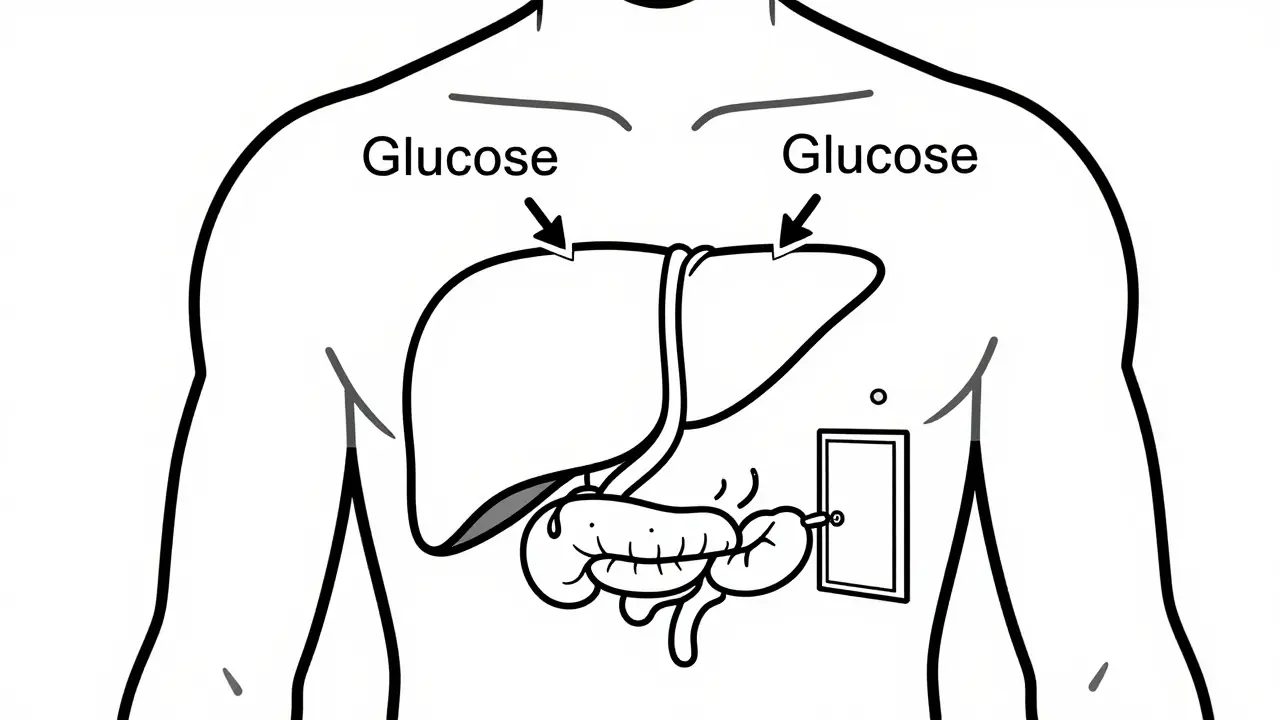
To fix the problem, you first have to understand what’s happening under the hood. Glucocorticoids-the class of drugs including prednisone, hydrocortisone, and dexamethasone-don’t just reduce inflammation; they actively disrupt how your body handles glucose. According to research published in the Journal of Clinical Endocrinology & Metabolism, steroids cause hyperglycemia through three main mechanisms:
- Increased Insulin Resistance: Steroids make your cells less responsive to insulin. Your pancreas has to work overtime to push glucose into your muscles and liver.
- Elevated Glucose Production: They signal your liver to produce more glucose (gluconeogenesis), flooding your bloodstream with sugar regardless of when you last ate.
- Impaired Insulin Secretion: High doses can temporarily inhibit the beta cells in your pancreas from releasing enough insulin.
The result is a perfect storm. Your body is making more sugar while simultaneously resisting the very hormone meant to clear it. Studies show that over 50% of patients receiving high-dose steroids develop hyperglycemia. In fact, at major teaching hospitals, nearly 40% of endocrinology consults are specifically for new-onset steroid-induced diabetes or existing diabetes exacerbated by steroid use.
The Timing Trap: Post-Prandial Spikes vs. Fasting Levels
Here is where most people get tripped up. Standard diabetes management often focuses on fasting blood sugar. But steroid hyperglycemia behaves differently. It predominantly causes post-prandial hyperglycemia (spikes after eating) rather than fasting hyperglycemia.
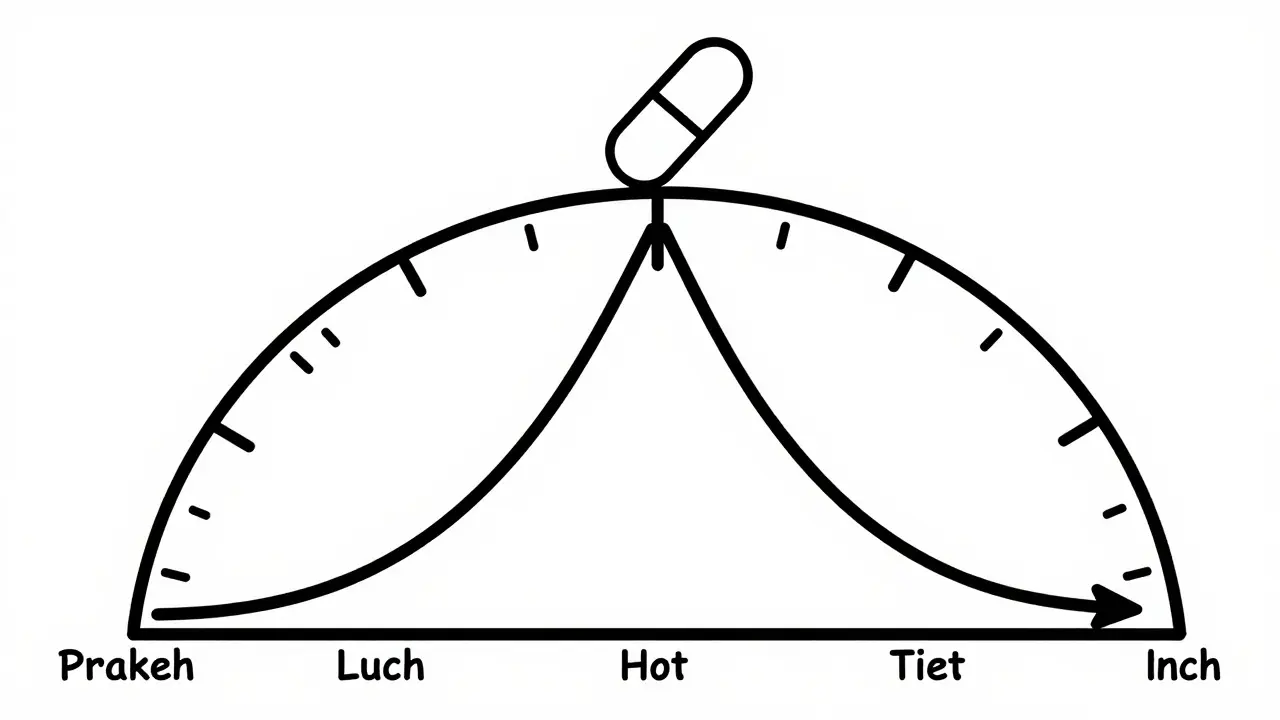
If you take your steroid dose in the morning, your blood sugar will likely peak 4 to 8 hours later. This means your breakfast and lunch readings will be significantly higher than your dinner or bedtime readings. Relying solely on fasting glucose measurements can underestimate the severity of the issue by 15-20%. You might think your fasting number looks okay, but your post-meal spikes could be dangerously high.
This circadian pattern is crucial for adjusting medication. Dr. Mary-Elizabeth Patti from Harvard Medical School emphasizes that insulin adjustments must follow the pharmacokinetics of the specific steroid. For example, hydrocortisone has a short half-life (8-12 hours), requiring frequent adjustments, whereas dexamethasone lasts much longer (36-72 hours), causing prolonged elevation.
Adjusting Insulin: The Basal-Bolus Strategy
When steroids enter the picture, sliding scale insulin alone is rarely enough. Expert consensus, including guidelines from the American Association of Clinical Endocrinologists, favors a basal-bolus regimen. Here is how to approach the adjustment:
- Basal Insulin Adjustment: Increase your long-acting (basal) insulin by 20-30%. This helps counteract the increased glucose production from the liver throughout the day.
- Prandial (Mealtime) Insulin Adjustment: Increase rapid-acting insulin before meals, particularly breakfast and lunch if you take steroids in the morning. Expect to need 50-100% more mealtime insulin depending on your pre-meal glucose levels.
- Dosing Ratios: A general rule of thumb from the Umpierrez protocol suggests that for every 50 mg/day of hydrocortisone equivalent, basal insulin should increase by 10-20%, and mealtime insulin by 20-40%.
For patients with pre-existing diabetes, total insulin requirements typically jump by 30-50% when starting moderate-dose steroid therapy (≥20 mg prednisone equivalent daily). If you are newly diagnosed with steroid-induced diabetes, your doctor may start you on a full basal-bolus regimen immediately.
| Steroid Type / Timing | Peak Effect Window | Primary Insulin Focus | Monitoring Priority |
|---|---|---|---|
| Morning Prednisone (Short-Acting) | 4-8 hours after dose | Breakfast & Lunch Bolus | Post-breakfast & Post-lunch |
| Dexamethasone (Long-Acting) | Prolonged (up to 72 hrs) | Basal + All Meals | All day & Overnight |
| Hydrocortisone (Very Short) | Immediate to 12 hours | Frequent Small Boluses | Every 3-4 hours |
Non-Insulin Medications: What Works and What Doesn’t
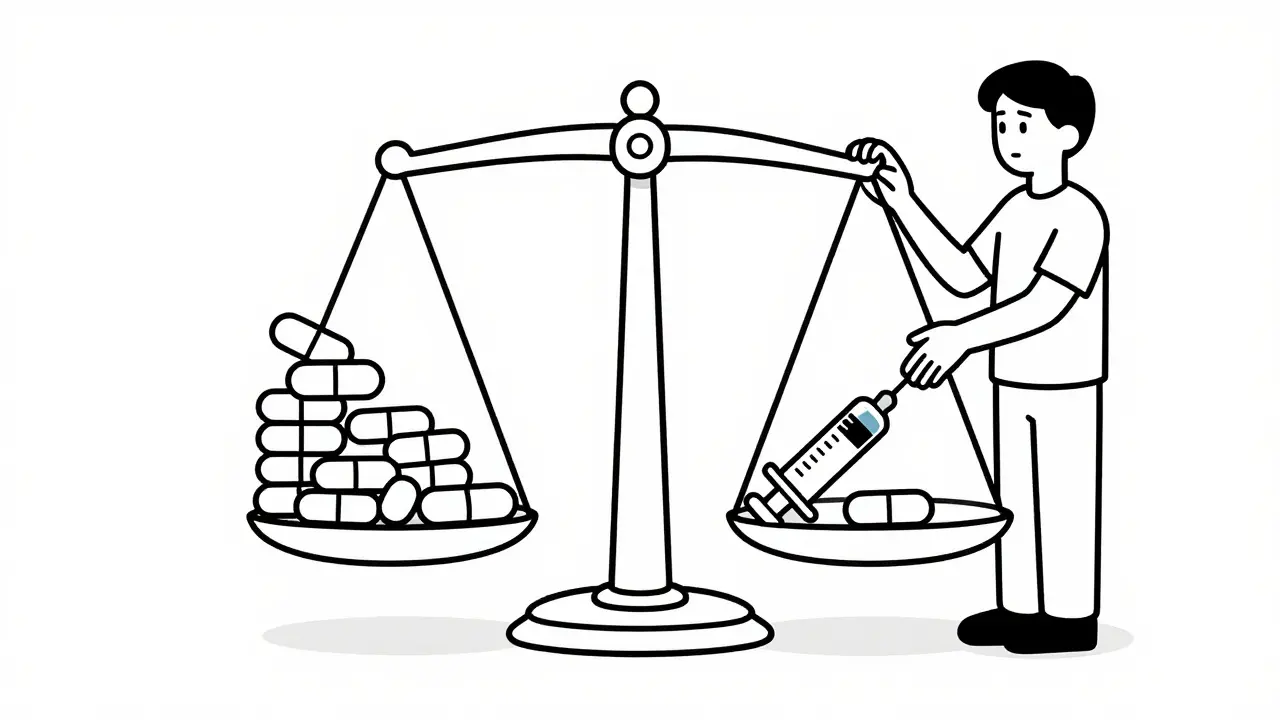
While insulin is the gold standard for managing acute steroid hyperglycemia, some oral medications play a supporting role. However, their effectiveness varies.
- Sulfonylureas: These stimulate insulin secretion. Since steroids impair beta-cell function, sulfonylureas may become less effective during high-dose steroid therapy.
- Metformin: Often used to improve insulin resistance, but it doesn’t address the hepatic glucose output spike caused by steroids as effectively as insulin.
- GLP-1 Agonists: Emerging data suggests these may help blunt post-prandial spikes, but they are not fast-acting enough for acute hospital settings.
In most acute or high-dose scenarios, insulin remains the primary tool because it can be titrated rapidly to match the unpredictable nature of steroid effects.
The Danger Zone: Tapering and Hypoglycemia Risk
Many people focus entirely on the spike, but the real danger often comes when the steroids stop. As you taper off steroids, your insulin resistance decreases rapidly. If you keep your insulin doses high, you risk severe hypoglycemia.
A study from Johns Hopkins found that 18% of hospital readmissions within 30 days of steroid discontinuation were due to hypoglycemia from unchanged insulin regimens. Dr. Robert Rushakoff from UCSF warns that over-aggressive insulin titration during therapy leads to a 22% incidence of hypoglycemia during the taper phase if doses aren’t reduced appropriately.
Rule of Thumb: For every 10 mg reduction in prednisone equivalent, consider reducing your total daily insulin dose by 10-20%. Always monitor closely during the taper. Do not wait for low blood sugar to hit; anticipate it.
Monitoring Strategies: Beyond Fingersticks
Traditional fingerstick monitoring can miss the rapid fluctuations caused by steroids. The Endocrine Society recommends initiating glucose monitoring with at least four daily checks (fasting and 2 hours post-prandial) when starting steroids ≥20 mg prednisone equivalent. If hyperglycemia develops, increase this to 6-8 checks daily.
Continuous Glucose Monitoring (CGM) devices, like Dexcom or Libre, have proven invaluable here. A 2021 case series showed that CGM users adjusted their insulin doses 37% more accurately than those using fingersticks alone. Real-time trends allow you to see the spike coming and adjust bolus doses proactively rather than reactively.
Risk Factors: Who Is Most Vulnerable?
Not everyone reacts the same way. Your risk of developing significant steroid hyperglycemia increases if you have:
- Pre-existing Diabetes: Even well-controlled type 2 diabetes can destabilize quickly.
- High BMI: Obesity amplifies insulin resistance.
- Age ≥65: Older adults have reduced pancreatic reserve.
- Concurrent Immunosuppressants: Drugs like tacrolimus (used in transplants) inhibit insulin production, increasing glucose intolerance risk by 35-45%.
- Low Magnesium: Each 0.1 mg/dL decrease in magnesium is associated with a 10-15% increase in hyperglycemia risk.
Practical Next Steps for Patients
If you are prescribed a steroid course, don’t wait for your next routine appointment. Take these steps now:
- Consult Early: Talk to your endocrinologist or primary care provider before starting the steroids. Ask for a written plan.
- Get a CGM: If you don’t have one, ask about temporary use during the steroid course.
- Track Patterns: Note the time you take your steroid and correlate it with your glucose readings. Identify your personal peak window.
- Prepare for the Taper: Have a plan to reduce insulin as the steroid dose drops. Set reminders to check for lows.
- Watch for Symptoms: Extreme thirst, frequent urination, and fatigue are signs your current regimen isn’t covering the steroid effect.
Managing steroid hyperglycemia is a balancing act. It requires vigilance, frequent communication with your healthcare team, and a willingness to adjust your meds dynamically. By understanding the timing and physiology, you can turn a chaotic period into a manageable one.
How long does steroid-induced hyperglycemia last?
It typically lasts as long as you are taking the steroids plus a few days after cessation. For short courses (less than 2 weeks), blood sugar usually returns to baseline within a week. For long-term steroid use, hyperglycemia may persist until the dose is tapered significantly or stopped. Some patients with underlying metabolic issues may find their diabetes worsens permanently.
Can I manage steroid hyperglycemia with diet alone?
Diet plays a supportive role, but it is rarely sufficient on its own for moderate-to-high dose steroids. Because steroids increase liver glucose production independent of food intake, dietary changes alone cannot counteract the hormonal surge. Insulin or other medications are usually required to maintain safe levels.
What is the target blood sugar range during steroid therapy?
Inpatient targets are generally 140-180 mg/dL. For outpatient management, goals are individualized but often aim for pre-meal glucose <180 mg/dL and random glucose <200 mg/dL to avoid both hyperglycemic complications and hypoglycemia risks. Consult your doctor for your specific targets.
Does the type of steroid matter for blood sugar?
Yes. Potent, long-acting steroids like dexamethasone and betamethasone cause more profound and prolonged hyperglycemia than shorter-acting ones like hydrocortisone or cortisone. Prednisone falls in the middle. The duration of action dictates how frequently you need to adjust insulin.
Should I stop my steroids if my blood sugar gets too high?
Never stop steroids abruptly without medical advice. Sudden cessation can lead to adrenal crisis, which is life-threatening. Instead, contact your doctor to adjust your diabetes medication to compensate for the steroid effect.