Medication Side Effect Risk Estimator
Based on the article's data regarding polypharmacy, age, and underlying conditions, this tool helps identify if you fall into a high-risk category for adverse drug events.
Recommended Actions
You take a pill for your headache, but suddenly you feel nauseous. You start a new antibiotic, and within hours, your stomach is upset. Is this normal? Is it dangerous? These moments of confusion are incredibly common. In fact, drug side effects are unwanted or unintended consequences that occur when taking a medication, and they affect millions of people every day. Understanding what they are, why they happen, and how to manage them is crucial for your health.
We often hear the term "side effect" thrown around loosely. But there is a big difference between a mild annoyance and a serious medical event. This guide breaks down the definition, causes, and real-world examples so you can make smarter decisions about your medications. We will look at the science behind why drugs do more than just fix one problem, how your body reacts uniquely, and what steps you can take to stay safe.
Defining Drug Side Effects vs. Adverse Reactions
First, let’s clear up some confusion. People often use "side effect" and "adverse reaction" interchangeably, but experts draw a line between them. The U.S. Food and Drug Administration (FDA) defines side effects as undesirable effects possibly related to a drug. However, not all side effects are bad. Some are neutral, and a few can even be beneficial.
Consider finasteride, a drug used to treat enlarged prostates in men. A well-known side effect is hair loss prevention. For someone taking it for prostate issues, keeping their hair is an unexpected bonus. This is a beneficial side effect. On the other hand, an adverse drug reaction is a harmful or unpleasant response resulting from an intervention related to the use of a medicinal product. If that same drug caused liver damage, that would be an adverse reaction.
The key distinction lies in intent and impact. A side effect is any secondary effect-good, bad, or indifferent-that isn't the primary reason you took the drug. An adverse reaction is specifically harmful. Recognizing this difference helps you weigh risks better. When you read a medication guide, you see a long list of potential outcomes. Most are rare. Knowing which ones are merely inconvenient versus which ones require immediate medical attention empowers you to stay on track with your treatment plan without unnecessary panic.
Why Do Side Effects Happen?
Drugs are powerful chemicals designed to interact with specific parts of your body. They target receptors, enzymes, or cells to produce a therapeutic effect. The problem is that these targets aren't always unique to one organ system. Your body is interconnected. A drug meant to calm your heart might also slow down your breathing or lower your blood pressure too much. This is known as a Type A reaction, which accounts for 85-90% of all adverse drug events. These are predictable and dose-dependent.
Here are the main reasons side effects occur:
- Polypharmacy: Taking five or more medications increases your risk of side effects by 88%. Drugs can interact with each other, amplifying negative effects.
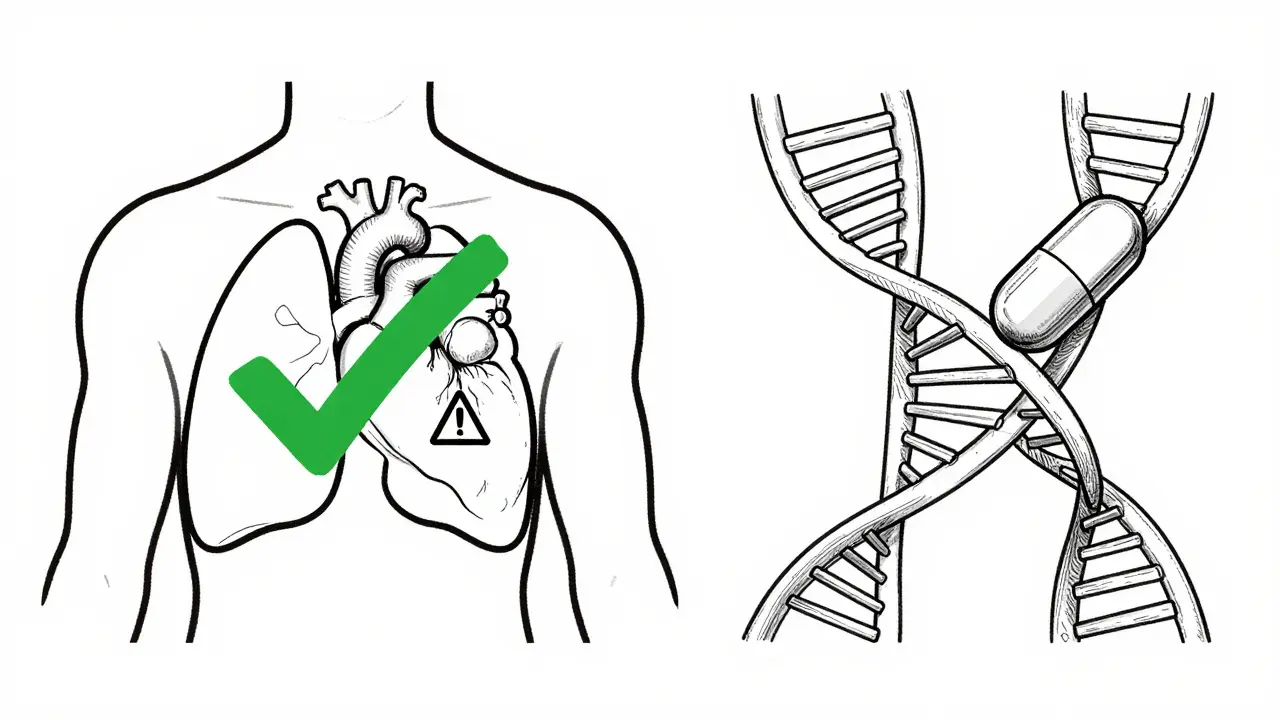
- Genetics: Your DNA determines how fast or slow you metabolize drugs. Variations in CYP450 enzymes mean that a standard dose might be toxic for one person and ineffective for another.
- Age: Older adults, particularly those over 65, experience side effects three to five times more often. Their kidneys and liver process drugs slower, leading to buildup in the system.
- Underlying Conditions: Chronic kidney disease, for example, raises the risk of medication-related side effects by 4.2 times compared to those with healthy kidneys.
- Type B Reactions: These are unpredictable, idiosyncratic reactions, like allergies. They don’t depend on the dose and account for 10-15% of adverse events.
Understanding these triggers helps you identify if you are at higher risk. If you are elderly or take multiple prescriptions, you are in a high-risk category. This doesn't mean you should stop taking meds, but it does mean you need closer monitoring and open communication with your doctor.
Common Examples of Side Effects Across Medication Classes
To make this concrete, let’s look at specific drugs and their typical side effects. These examples illustrate the spectrum from minor nuisances to severe complications.
| Medication Class | Primary Use | Common Side Effect | Frequency/Note |
|---|---|---|---|
| NSAIDs (e.g., Ibuprofen) | Pain relief | Gastritis/Stomach Ulcers | Affects 15-30% of regular users |
| Antibiotics (e.g., Amoxicillin) | Infection treatment | Diarrhea | Affects 5-30% depending on type |
| Doxycycline | Acne/Infection | Phototoxicity (Sun sensitivity) | ~10% of users |
| Statins | Cholesterol control | Muscle pain | 31% discontinue due to this; often nocebo |
| SGLT2 Inhibitors | Diabetes management | Lower limb amputation risk | Rare but serious; boxed warning exists |
Notice the range here. Stomach upset from NSAIDs is common and manageable. Muscle pain from statins is frequent but often psychological-a phenomenon called the "nocebo effect," where expecting a side effect makes it happen. In studies, 62% of patients who stopped statins due to muscle pain experienced no symptoms when given a placebo. Meanwhile, the risk of amputation with SGLT2 inhibitors is rare but severe enough to warrant a "boxed warning" from the FDA.
Vaccines also have side effects. The CDC’s Vaccine Adverse Event Reporting System (VAERS) tracks these closely. For mRNA COVID-19 vaccines, myocarditis was observed at a rate of 40.6 cases per million second doses in males aged 12-29. While this sounds alarming, comparing it to the risk of severe illness from the virus itself puts the data into perspective. Most vaccine side effects, like injection site pain or mild fever, are non-serious and resolve quickly.
The Role of Pharmacogenomics and Personalized Medicine
Your genes play a massive role in how you react to drugs. This field, known as pharmacogenomics, studies how your genetic makeup affects your response to medications. It’s moving medicine away from a "one-size-fits-all" approach toward personalized care.
For instance, the enzyme CYP2C19 helps metabolize clopidogrel, a blood thinner used after heart stents. Some people have genetic variants that make this enzyme less active. If they take the standard dose, the drug won’t work properly, increasing their risk of clotting. Conversely, others might metabolize it too fast, losing its protective effect. The FDA lists 137 specific pharmacogenetic associations with clinical implications. Testing for these markers before starting therapy can prevent thousands of adverse events annually.
This isn't just theory. The Clinical Pharmacogenetics Implementation Consortium guidelines suggest that testing for CYP2D6 variants before prescribing tamoxifen for breast cancer could prevent 12,000 recurrences in the U.S. alone. As genetic testing becomes cheaper and more accessible, we will see fewer trial-and-error prescriptions and more precise, safer treatments tailored to your biology.
Managing and Mitigating Side Effects
You don't have to suffer through side effects silently. There are practical steps you can take to minimize risks and improve your quality of life while on medication.
- Review Your Meds Regularly: Bring a complete list of all prescriptions, over-the-counter drugs, and supplements to every doctor's visit. Ask if any can be discontinued or replaced.
- Use the Beers Criteria: If you are over 65, ask your doctor if any of your meds appear on the Beers Criteria list, which identifies 30 high-risk medications for older adults.
- Report Symptoms: Don't assume a symptom is just part of aging or stress. Report it to your provider. Tools like the FDA’s MedWatcher app allow you to report side effects directly, helping detect patterns faster.
- Pre-medicate When Advised: For some vaccines, taking acetaminophen beforehand can reduce fever incidence from 38% to 15% without compromising immune response.
- Educate Yourself: Read the Medication Guide provided by the FDA. Studies show 85% of patients understand serious side effects better from these guides than from traditional package inserts.
Communication is your best defense. Many patients stop taking medications because of side effects without telling their doctor. This leads to untreated conditions and worse health outcomes. Instead, discuss alternatives. Maybe a different drug in the same class has a better side effect profile for you. Or perhaps adjusting the timing of the dose can help.
The Future of Drug Safety Monitoring
The landscape of drug safety is evolving rapidly. Traditional reporting systems relied on doctors and patients voluntarily submitting reports, which led to significant underreporting. Only 1-10% of serious adverse events were captured globally. New technologies are changing this.
The FDA’s Sentinel Initiative now monitors safety for over 200 million Americans using electronic health records. It detects safety signals 18-24 months faster than old methods. Artificial intelligence is being piloted to predict individual risks based on EHR data, with early models showing 82% accuracy in predicting gastrointestinal complications from NSAIDs. The global pharmacovigilance market is growing fast, expected to reach $12.8 billion by 2030, driven by these digital advancements.
Regulatory bodies like the EMA and WHO are expanding their databases. The WHO’s Programme for International Drug Monitoring includes 155 countries, processing over 35 million reports. This global collaboration ensures that a side effect detected in Europe can quickly alert doctors in Asia or North America. The goal is proactive rather than reactive safety management.
Is a side effect the same as an allergic reaction?
No. A side effect is a predictable, often dose-dependent response to a drug, such as drowsiness from antihistamines. An allergic reaction is an immune system response, classified as a Type B adverse reaction, which is unpredictable and can be life-threatening (e.g., anaphylaxis). Allergic reactions involve symptoms like hives, swelling, or difficulty breathing, whereas side effects are usually milder and related to the drug's mechanism of action.
Do all listed side effects happen to everyone?
Absolutely not. Medication labels list all possible side effects observed during clinical trials and post-market surveillance, ranging from very common to extremely rare. Just because a side effect is listed doesn't mean you will experience it. Frequency categories help clarify this: "Very common" means ≥1 in 10 people, while "Very rare" means <1 in 10,000 people. Most patients only experience a few, if any, of the listed effects.
Absolutely not. Medication labels list all possible side effects observed during clinical trials and post-market surveillance, ranging from very common to extremely rare. Just because a side effect is listed doesn't mean you will experience it. Frequency categories help clarify this: "Very common" means ≥1 in 10 people, while "Very rare" means <1 in 10,000 people. Most patients only experience a few, if any, of the listed effects.
What should I do if I experience a severe side effect?
If you experience signs of a severe allergic reaction (difficulty breathing, swelling of face/throat), seek emergency medical help immediately. For other severe symptoms like chest pain, severe rash, or persistent vomiting, contact your healthcare provider right away. Do not stop taking essential medications abruptly without medical advice, as this can cause withdrawal effects or worsen your condition. Report the event to your doctor and consider using tools like the FDA’s MedWatcher app.
Can side effects go away on their own?
Many side effects are temporary and resolve as your body adjusts to the medication, a process known as tolerance. For example, nausea from antibiotics often subsides after a few days. However, some side effects persist or emerge long after treatment ends. If a side effect interferes with your daily life or worsens over time, consult your doctor. They may adjust the dose, switch medications, or prescribe additional treatments to manage the symptom.
How does age affect drug side effects?
Age significantly impacts susceptibility. Patients over 65 experience 3-5 times more adverse drug reactions than younger adults. This is due to physiological changes: reduced kidney and liver function slows drug metabolism, leading to higher drug levels in the blood. Additionally, older adults often take multiple medications (polypharmacy), which increases interaction risks. The Beers Criteria® lists specific high-risk medications to avoid in this demographic to enhance safety.