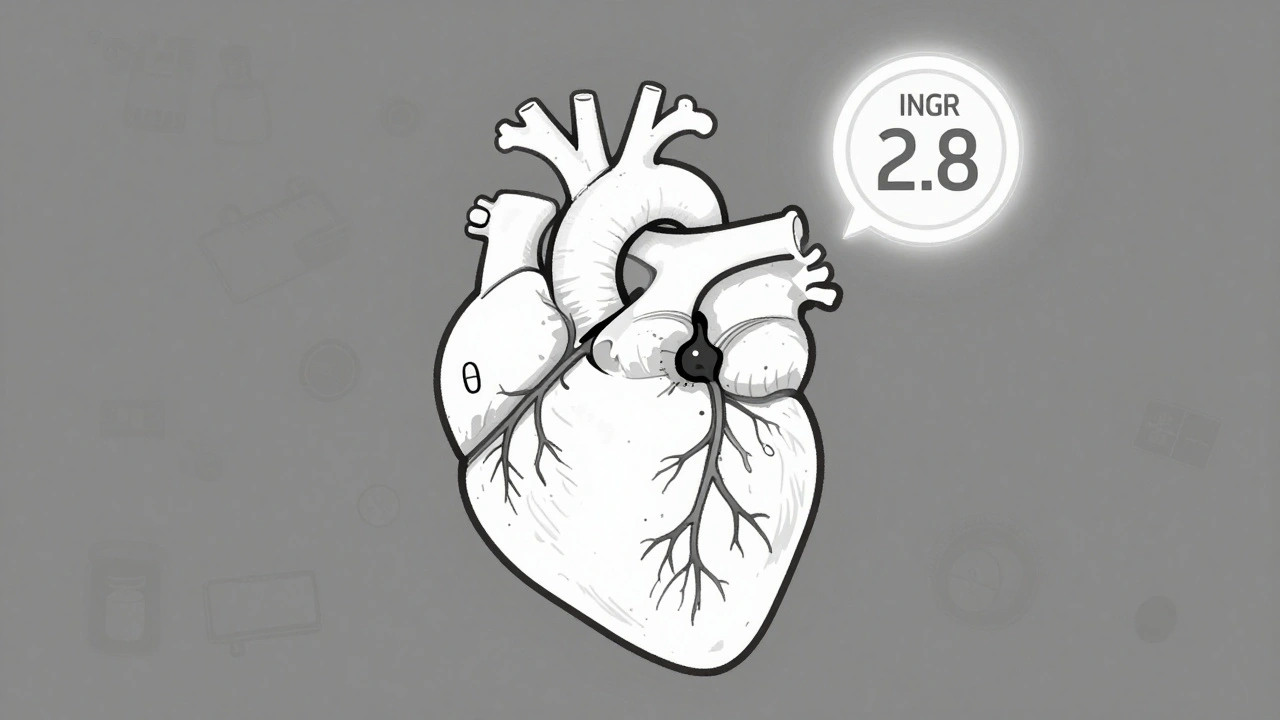
When your blood clots too easily, it can lead to dangerous blockages - a stroke, a pulmonary embolism, or a deep vein clot. But if it doesn’t clot enough, even a small cut can become life-threatening. Finding that balance is the core of anticoagulation therapy. For millions of people, especially those with atrial fibrillation, a history of blood clots, or mechanical heart valves, this isn’t theoretical. It’s daily life. And the choices between warfarin and DOACs come with real trade-offs: frequent blood tests versus high monthly costs, predictable dosing versus limited reversal options. This isn’t just about pills. It’s about understanding what your body needs, what your lifestyle allows, and what risks you’re willing to carry.
What INR Really Means - And Why It Still Matters
The INR - International Normalized Ratio - isn’t just a number on a lab report. It’s a standardized way to measure how long your blood takes to clot. For people on warfarin, this number is the compass that guides every dose. A target range of 2.0 to 3.0 is standard for most conditions like atrial fibrillation or deep vein thrombosis. But for someone with a mechanical heart valve, that target might be higher - 2.5 to 3.5. Go below 2.0? Your risk of clotting goes up. Above 4.0? Your risk of serious bleeding jumps 2.5 times, according to data from the New England Journal of Medicine.
Warfarin doesn’t work the same for everyone. Genetics play a big role. Variants in the CYP2C9 and VKORC1 genes explain up to half of why one person needs 5 mg a day and another needs 10 mg. That’s why weekly INR checks are common when starting warfarin. Once stable, checks may drop to every 2-4 weeks. But even then, diet, antibiotics, or even a change in vitamin K intake from leafy greens can throw things off. That’s why 70% time in therapeutic range (TTR) is the gold standard for quality care - and most patients don’t hit it. That’s why many switch to DOACs.
DOACs: The New Standard - But Not for Everyone
Direct oral anticoagulants - apixaban, rivaroxaban, dabigatran, edoxaban - changed the game. No weekly blood draws. No dietary restrictions. No interactions with most medications. They work fast, wear off fast, and for most people with non-valvular atrial fibrillation, they’re now the first choice. The American Heart Association, American College of Cardiology, and Heart Rhythm Society all recommend DOACs over warfarin in this group - unless you have moderate-to-severe mitral stenosis or a mechanical valve. In those cases, warfarin is still the only option.
Apixaban stands out. In the ARISTOTLE trial, it cut major bleeding by 31% compared to warfarin. Rivaroxaban and dabigatran are effective too, but carry a higher risk of stomach bleeding - especially in older adults. Real-world data shows 41% of users report GI issues with rivaroxaban. That’s why many doctors now start with apixaban unless there’s a specific reason not to.
But DOACs aren’t perfect. They’re cleared by the kidneys. If your creatinine clearance drops below 15-30 mL/min (depending on the drug), they’re not safe. That’s why kidney function must be checked at least every 6-12 months, and more often in the elderly. And if you bleed? Reversal agents exist - but they’re expensive. Idarucizumab for dabigatran costs about $5,000 per vial. Andexanet alfa for apixaban or rivaroxaban? Around $18,000 per dose. Most hospitals keep them on hand, but not everyone can afford them.

Safety First: Bleeding Risks and What to Watch For
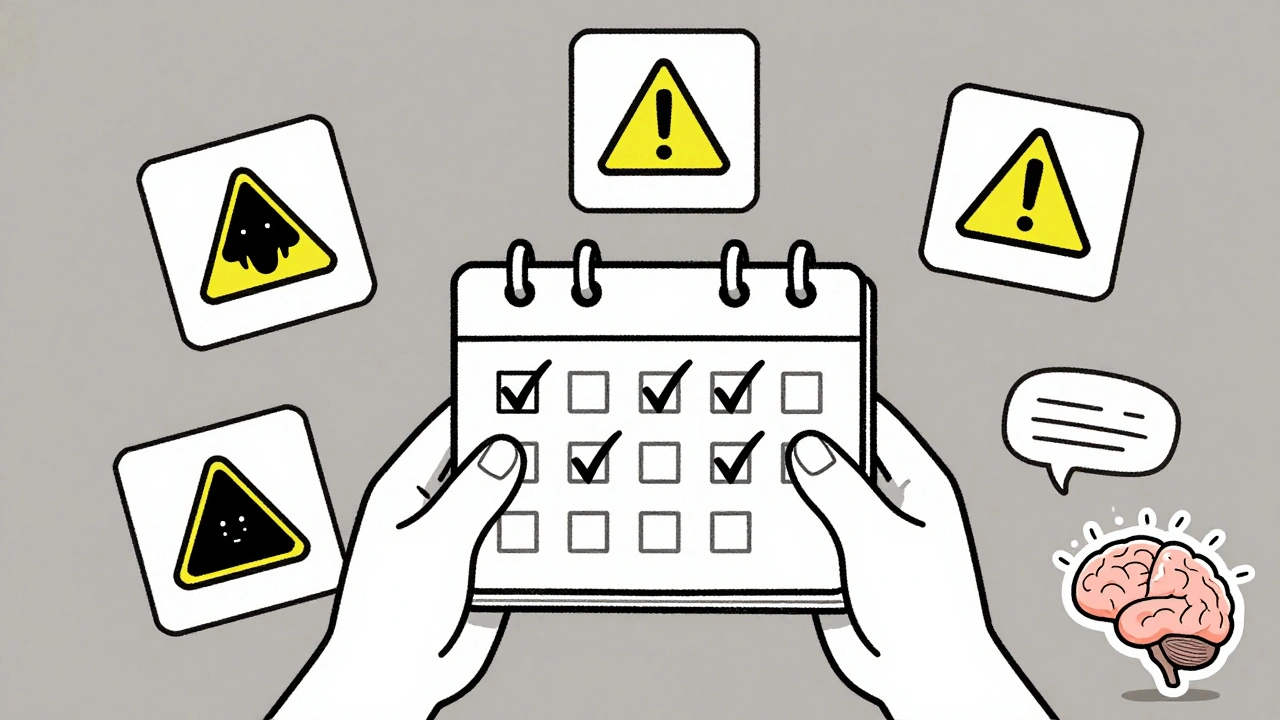
All anticoagulants increase bleeding risk. That’s not a side effect - it’s the point. But knowing the signs can save your life. Bruising easily? That’s common - 78% of users report it. But if you’re bleeding from your gums for no reason, coughing up blood, having black or tarry stools, or getting a headache after a minor bump, that’s not normal. These aren’t just inconveniences. They’re red flags.
People with high HAS-BLED scores (a tool doctors use to assess bleeding risk) need extra caution. A score of 3 or higher means you’re at increased risk. That doesn’t mean you shouldn’t take anticoagulants - it means you need closer monitoring, better education, and possibly a different drug. For example, if you have a history of stomach ulcers, apixaban might be safer than rivaroxaban. If you’re over 75 and have kidney issues, your doctor might lower your dose even if you’re on a DOAC.
And don’t forget procedures. For warfarin, you usually stop it 5 days before surgery or a dental extraction. For DOACs? Often just 24-48 hours. That’s a huge difference in planning. But you can’t just stop them on your own. Always talk to your doctor. Skipping a dose because you’re going to the dentist? That’s a mistake. Too much risk of clotting. Too little? You could bleed out.
Cost, Access, and the Hidden Barrier
Warfarin costs $4 to $30 a month. Most DOACs cost $350 to $550. That’s not just a difference - it’s a wall. In 2023, 28% of Medicare patients stopped taking their DOAC within a year because they couldn’t afford it. That’s not just a financial problem - it’s a health crisis. A clot doesn’t care if you skipped your pill because you couldn’t pay for it.
Some patients stick with warfarin because of cost. Others switch to DOACs because they can’t handle the blood tests. One Reddit user, a nurse, said she ignored her own symptoms because she was too busy caring for her child. She ended up with a pulmonary embolism. That’s the human side. The stats say DOACs are safer. But if you can’t take them, the safest option is the one you’ll actually use.
Some insurers require step therapy - you have to try warfarin first. That’s changing, but slowly. If you’re denied a DOAC, ask for a prior authorization. Provide your HAS-BLED score, your kidney function, and your lifestyle. If you work nights, travel often, or forget pills, DOACs are better. If you’re on a fixed income and have good access to labs, warfarin might be the smarter choice.
What’s Next? The Future of Blood Thinners
Science isn’t standing still. In November 2023, the FDA approved milvexian - a new drug that targets factor XIa. In early trials, it cut bleeding risk by 22% compared to apixaban while still preventing clots. That’s huge. If it works in larger studies, it could be the next breakthrough.
Researchers are also testing RNA-based drugs like fitusiran, which reduces antithrombin levels. And AI is being used to predict bleeding risk with 82% accuracy by analyzing your age, kidney function, medications, and even your genetic profile. This isn’t science fiction. It’s coming fast.
For now, the best anticoagulant is the one that fits your life. Not your doctor’s preference. Not your insurance’s policy. Not the latest ad. The one you’ll take every day, without fail. Because in anticoagulation, consistency beats perfection.
What’s the difference between INR and DOACs?
INR is a blood test used to monitor warfarin, a vitamin K antagonist that requires regular testing to stay in the safe range (usually 2.0-3.0). DOACs - like apixaban or rivaroxaban - are newer blood thinners that don’t need routine INR checks. They have fixed doses, fewer interactions, and act faster, but they can’t be monitored with INR and have limited reversal options.
Can I switch from warfarin to a DOAC?
Yes, for most people with non-valvular atrial fibrillation or a first-time blood clot, switching to a DOAC is recommended. But if you have a mechanical heart valve, moderate-to-severe mitral stenosis, or severe kidney disease, DOACs aren’t safe. Your doctor will check your kidney function, bleeding risk, and reason for anticoagulation before switching. Never switch on your own - timing matters to avoid clots or bleeding.
Which DOAC has the least bleeding risk?
Apixaban has the lowest risk of major bleeding among DOACs - 31% less than warfarin in the ARISTOTLE trial. It’s also less likely to cause stomach bleeding compared to rivaroxaban or dabigatran. For most patients, especially those over 75 or with a history of GI issues, apixaban is the preferred choice unless contraindicated.
How long do I need to take anticoagulants?
It depends. For a first blood clot caused by surgery or trauma, 3 months is typical. If the clot happened without a trigger (unprovoked), and your bleeding risk is low (HAS-BLED score <3), lifelong therapy is often recommended. For atrial fibrillation, most people stay on it indefinitely unless their stroke risk drops significantly. Never stop without talking to your doctor - stopping too soon can cause a deadly clot.
What should I do if I miss a dose of my blood thinner?
If you miss a dose of a DOAC, take it as soon as you remember - but only if it’s within 6-12 hours of your usual time. If it’s later, skip it and take your next dose at the regular time. Never double up. For warfarin, if you miss a dose, take it the same day. If you forget until the next day, skip the missed dose and continue your regular schedule. Always check with your doctor or pharmacist - missing doses increases clot risk, but doubling up increases bleeding risk.
Are there natural alternatives to blood thinners?
No. Supplements like fish oil, garlic, turmeric, or vitamin E may have mild antiplatelet effects, but they are not substitutes for prescription anticoagulants. Relying on them instead of warfarin or DOACs can lead to preventable strokes or clots. Always tell your doctor about any supplements you take - they can interact dangerously with your medication.
What to Do Next
If you’re on anticoagulants, review your goals. Are you taking the right drug for your condition? Are you getting your kidney function checked? Are you aware of the bleeding signs? If you’re on warfarin, ask about your time in therapeutic range - if it’s below 70%, talk to your doctor about switching. If you’re on a DOAC and can’t afford it, ask about patient assistance programs. Many manufacturers offer copay cards or free drug programs for qualifying patients.
If you’re not on anticoagulants but have atrial fibrillation or a history of clots, ask your doctor about your CHA₂DS₂-VASc score. If it’s 2 or higher (men) or 3 or higher (women), you’re likely at risk for stroke - and you need to talk about prevention. Don’t wait for a clot to happen. Prevention is the only safe strategy.
All Comments
Palanivelu Sivanathan December 4, 2025
I mean... wow. Just... wow. This isn't just medicine-it's a cosmic balancing act between life and death, isn't it? One wrong move, and your blood turns traitor. One pill too many? Bleed out like a slaughtered cow. One pill too few? Your arteries throw a party and invite a clot. And we're just... sitting here? Taking pills? Like we're not walking time bombs with a prescription in our pocket? I feel like I'm living inside a Shakespearean tragedy written by a pharmacist.
Joanne Rencher December 4, 2025
Ugh. I hate when people act like DOACs are some magical cure. You think you're free from blood tests? Congrats, now you're just a walking liability with a $500 monthly bill. And don't even get me started on the 'apixaban is safest' hype-my cousin took it and bled through her gums for three days. No one told her that.
Erik van Hees December 5, 2025
Actually, you're all missing the bigger picture. The real issue isn't the drugs-it's the healthcare system. Warfarin's cheaper because it's been around since 1954. DOACs are expensive because Big Pharma invented them to make billions. And don't get me started on how insurance companies force step therapy like it's a damn game of musical chairs. If you're not on warfarin, you're not getting real care-you're getting a marketing brochure.
Cristy Magdalena December 6, 2025
I just... I can't. I'm sitting here reading this and thinking about my mom. She was on warfarin for 12 years. She had INR checks every Monday like clockwork. She cried every time the nurse said 'you're out of range.' And then she got a stroke anyway. Because the system failed her. And now I'm terrified to even think about taking anything. What if I'm the next one? What if I'm the one who bleeds out in the shower and no one finds me for days? I just... I don't know what to do anymore.
dan koz December 6, 2025
Bro, I'm from Nigeria and we don't even have access to DOACs. My uncle died because he couldn't get apixaban. We had to use warfarin but the labs were closed for 3 months because of a power outage. He missed 12 INR checks. He had a clot. Now he's paralyzed. This isn't a 'choice'-it's a death sentence if you're poor.
Kevin Estrada December 8, 2025
Okay but like... what if the whole INR system is just a scam? Like, why do we even need it? I read somewhere that INR is outdated and based on 1960s tech. And DOACs? Totally unregulated. I mean, how do we even know they're safe? I think the FDA is in cahoots with Big Pharma. Also, I think vitamin K is a government mind-control additive. I stopped eating kale. I feel better. Just saying.
Katey Korzenietz December 8, 2025
Apixaban isn't safer. It's just quieter. You don't see the bleeding because you don't have to come in every week. But the risk? Still there. And if you're over 75? You're basically a walking hemorrhage waiting to happen. My aunt took it. She got a brain bleed from sneezing. No one warned her.
Ethan McIvor December 9, 2025
I just... I feel so much for everyone in this thread. It's not just about pills and numbers. It's about fear. It's about being told you're a ticking bomb and then being asked to pick which kind of explosion you'd rather have. I used to work in ER. Saw too many people come in after skipping doses because they couldn't afford it. I wish we lived in a world where medicine wasn't a luxury. 🌱
Mindy Bilotta December 10, 2025
If you're on DOACs and can't afford them, check out the manufacturer's patient assistance programs. Apixaban’s manufacturer has a free drug program for people under 400% of the poverty line. I helped 3 people get it last month. You don't have to suffer because you're broke.
Michael Bene December 11, 2025
Let me tell you something nobody else will: the real villain here isn't warfarin, it's the damn INR. It's a crude, archaic, statistically noisy metric that was designed before we had computers. We're measuring clotting time with a stopwatch and calling it precision? That's like using a slide rule to land a rocket. DOACs aren't perfect-but at least they don't make you live in fear of your kale salad. And if you think apixaban is the 'best,' you're ignoring the real data: it's just the one with the least GI drama. Not the safest. Not the smartest. Just the least likely to make you vomit blood.
Brian Perry December 11, 2025
I took rivaroxaban for 8 months. My stomach felt like a warzone. I lost 15 lbs. I thought I had cancer. Turns out? It was the drug. I switched to warfarin. Now I get blood tests every 3 weeks. I hate it. But I'm alive. And I know what my INR is. That's power. That's control. You can't control your body when you're on DOACs-you're just praying.
Chris Jahmil Ignacio December 11, 2025
You all are being manipulated. The whole anticoagulation industry is a lie. The INR isn't reliable. The DOAC reversal agents? They're barely tested. The FDA approves drugs based on corporate donations. And that '70% TTR' standard? It's a number made up by a committee that never met a patient. I've been off everything for 3 years. I eat garlic, turmeric, and apple cider vinegar. I haven't had a clot. I haven't bled. The system wants you dependent. Don't be fooled.
Paul Corcoran December 13, 2025
Hey everyone-I'm a nurse, and I've seen this play out too many times. If you're scared, you're not alone. But here's what I want you to know: your doctor isn't your enemy. They're trying. And if you're struggling with cost, ask for help. There are programs. There are people who care. You don't have to choose between your life and your rent. Talk to your pharmacist. Call the drug company. There's always a way. You're not alone.
Colin Mitchell December 13, 2025
I'm on apixaban. I'm 78. I have kidney issues. My doc lowered my dose. I take it every night with my tea. No blood tests. No kale anxiety. I travel. I forget sometimes. But I don't panic. I just take the next one. It's not perfect. But it's mine. And I'm still here. That's what matters.