Drug Interaction Checker
Check Your Medications
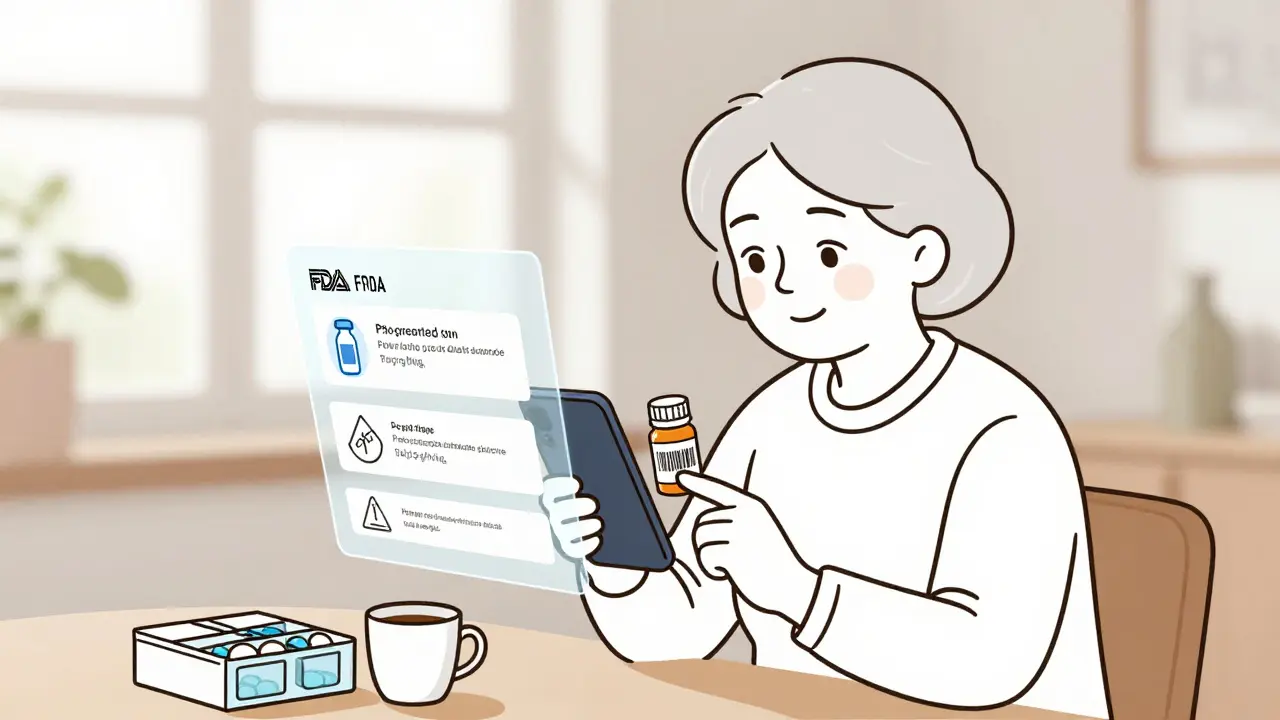
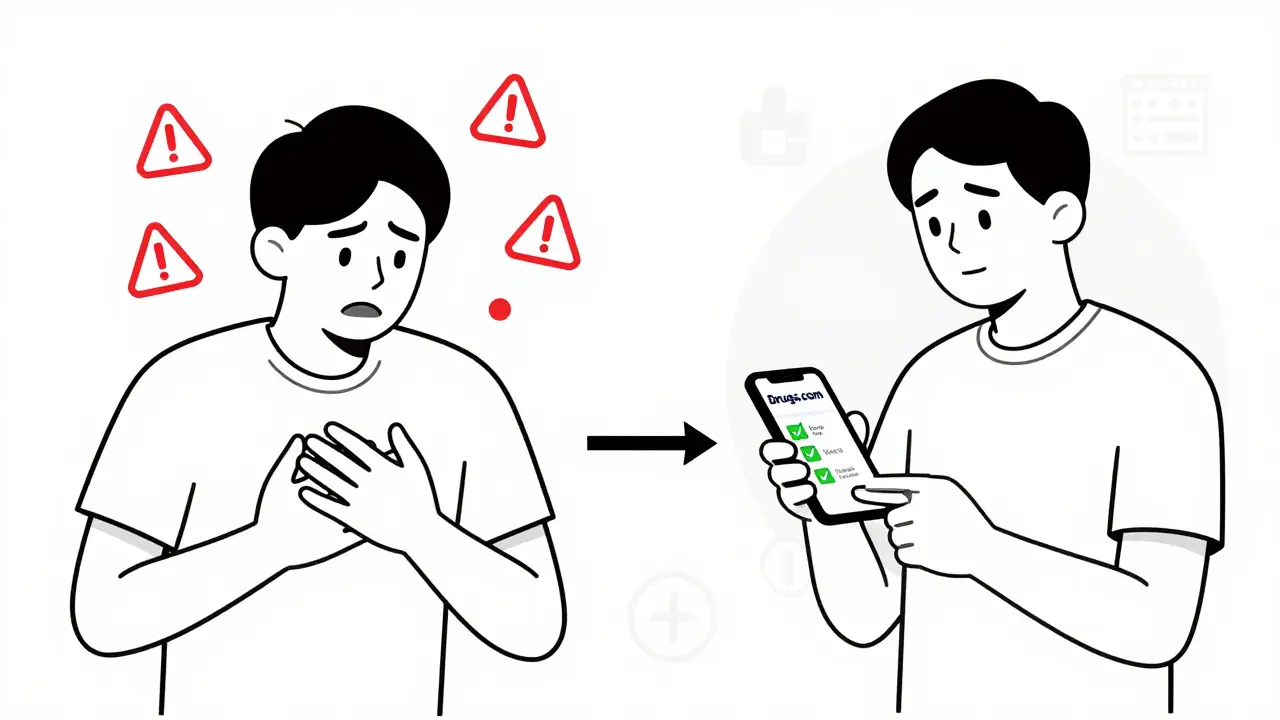
Enter medications you're taking to see potential interactions. FDA-referenced apps like Drugs.com and Medisafe help identify dangerous combinations.
Results will appear here after checking your medications.
Every year, medication errors send over 1.3 million people to U.S. emergency rooms. Many of these errors happen because people forget when to take their pills, don’t know about dangerous interactions, or miss warning signs of side effects. The good news? Mobile apps powered by FDA-referenced data are making it easier than ever to stay safe.
What Are FDA Medication Safety Apps?
These aren’t just drug lookup tools. FDA medication safety apps are designed to help you track what you’re taking, spot potential dangers, and report problems - all using information that comes from or aligns with the U.S. Food and Drug Administration’s official databases. Some apps, like Somryst, are even FDA-approved as medical devices because they treat conditions like chronic insomnia. But most apps you’ll find in the App Store or Google Play are information tools. They don’t diagnose or prescribe. They tell you what the FDA says about your meds.Think of them as your personal drug assistant. They answer questions like: “Can I take this with my blood pressure pill?”, “What are the real risks of this new antidepressant?”, or “Is this rash a side effect or something worse?”
Top Apps You Can Trust
Not all apps are created equal. Here are the three most widely used and reliable options right now:- Drugs.com - With over 25 million monthly U.S. visitors, it’s the go-to source for clear, plain-language drug info. It includes overdose treatment steps, pregnancy safety ratings, and real-time FDA alerts. Its interaction checker tracks up to 50 drugs and foods at once.
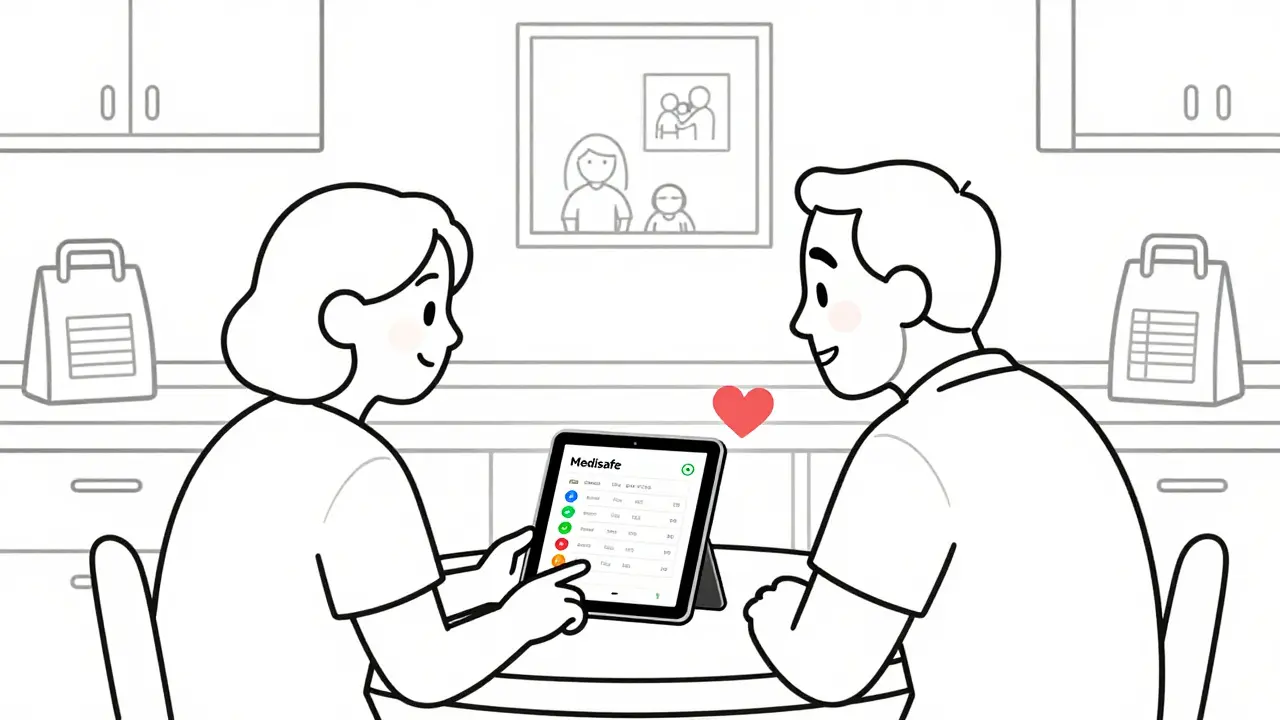
- Medisafe - This app is built for adherence. It sends reminders, tracks your pill intake, and even alerts caregivers if you miss a dose. Over 7 million active users rely on it, and 40% of them are 65 or older. It’s rated 4.7 out of 5 stars with more than 150,000 reviews.
- UpToDate - Used by doctors in 78% of U.S. teaching hospitals, this is the gold standard for clinical decision support. It covers over 11,000 medical topics and pulls from peer-reviewed journals. It’s not free - individual subscriptions cost $499-$699 a year - but it’s unmatched for accuracy.
Each app has its strengths. Drugs.com is best for quick checks. Medisafe is best for daily management. UpToDate is best if you need deep, clinical-grade detail.
How These Apps Actually Work
Setting one up takes about 10-15 minutes. You enter your medications by name, dosage, and schedule. Some apps, like the updated Pill Identifier & Med Scanner (v2.3, July 2025), let you scan the barcode on your pill bottle or take a photo of the pill to auto-fill the info. That cuts data entry time by nearly 60%.Once your meds are in, the app runs checks:
- It flags dangerous combinations - like mixing blood thinners with certain NSAIDs.
- It lists common and rare side effects, often with icons showing severity.
- It warns about alcohol interactions, pregnancy risks, or effects on kidney/liver function.
Some apps use AI to predict reactions. In clinical trials, these systems have been 85-92% accurate at spotting potential adverse events before they happen. That doesn’t mean they’re perfect - but they’re better than guessing.
What’s Not Covered - And Why It Matters
Here’s the catch: Most apps are not FDA-regulated medical devices. That means they don’t have to prove their accuracy through clinical trials. Only apps that make treatment claims - like Somryst, which treats insomnia - go through full FDA review.So if an app says, “This drug causes drowsiness,” that’s likely true - because it’s pulling from FDA labels. But if it says, “You should stop this drug,” that’s not a medical recommendation. It’s just information.
That’s why you still need to talk to your doctor. Apps can’t replace clinical judgment. They’re there to help you ask better questions.
Who Benefits the Most?
According to 2025 Pew Research data, 68% of U.S. adults use at least one medication app. But usage spikes in high-risk groups:- Seniors (65+) - 79% use them, often to manage 5+ prescriptions.
- People with chronic illness - 85% rely on apps to track complex regimens.
- Caregivers - Tools like mySeniorCareHub’s simplified Drug Interaction Checker (launched Feb 2025) were built specifically for them.
One user, Jessica, shared her story: “I had a seizure and woke up with aphasia. I was on eight different meds. I couldn’t keep track. Medisafe saved me. Now I don’t have to rely on anyone to remind me.”
For people juggling multiple conditions or medications, these apps aren’t a luxury - they’re a safety net.
Limitations and Pitfalls
Even the best apps have gaps:- Outdated info - Drug labels change. If an app hasn’t updated in months, it might miss new warnings.
- Notification issues - Complex schedules (like taking pills every 6 hours) can confuse reminder systems.
- Senior-friendly design - Small text, complicated menus, and pop-up ads can turn off older users. That’s why apps like mySeniorCareHub are gaining traction.
- No EHR integration - Most consumer apps don’t talk to your hospital’s electronic health record. That means your doctor might not see your tracked data.
Also, free apps often rely on ads or upsells. Be wary of apps that push premium features too hard - they may prioritize profit over safety.
What’s Changing in 2025
The FDA is rolling out new rules called PDURS (Prescription Drug Use-Related Software) in 2025. These will require apps that provide prescription drug advice - especially those that flag interactions or dosing risks - to meet stricter validation standards.This means:
- Apps like Medisafe and Drugs.com are updating their systems to comply.
- More apps may need FDA review before they can market themselves as “safety tools.”
- AI-driven prediction features will face closer scrutiny.
By 2027, analysts predict 40% of medication safety apps will need some level of FDA review. This isn’t about shutting down free tools - it’s about raising the bar for anyone claiming to help with drug safety.
How to Use These Apps Wisely
Here’s what works:- Use the app to prepare questions for your doctor, not to make decisions.
- Double-check any red flags with your pharmacist - they’re trained to spot interactions.
- Update your med list in the app every time your prescription changes.
- Turn on notifications - but customize them. Too many alerts cause alert fatigue.
- Use barcode scanning when possible. It’s faster and less error-prone than typing.
And never ignore real symptoms. If you feel something’s wrong - chest pain, trouble breathing, swelling - don’t wait for an app to tell you. Call 911 or go to the ER.
Final Thoughts
Medication safety apps are no longer a novelty. They’re a practical tool for millions of people managing complex health needs. With the right one, you can reduce confusion, avoid dangerous interactions, and catch side effects early.The key is choosing an app with reliable data, clear design, and a track record. Stick with the big names - Drugs.com, Medisafe, UpToDate - and avoid apps that promise miracles or don’t cite their sources.
Medication errors are preventable. These apps won’t eliminate them completely - but they’re one of the most powerful tools we have to make them less common.
Are FDA medication safety apps free to use?
Most core features in apps like Drugs.com and Medisafe are free. You can look up drugs, check interactions, and set reminders without paying. But premium upgrades - like unlimited caregiver reports, advanced analytics, or ad-free use - cost $2.99 to $9.99 per month. UpToDate is not free; it’s a professional tool with annual subscriptions around $500-$700.
Can these apps replace my pharmacist or doctor?
No. Apps give you information, but they can’t diagnose, prescribe, or adjust your treatment. Pharmacists are trained to spot subtle interactions and can explain risks in context. Your doctor knows your full medical history. Use apps to prepare for appointments, not to skip them.
Do these apps work offline?
Some, like Drugs.com, let you view previously loaded drug pages without internet. But real-time interaction checks, barcode scanning, and alerts require a connection. If you’re in an area with poor signal, download the info ahead of time. Don’t rely on offline mode for critical safety checks.
How do I know if an app is trustworthy?
Look for apps that cite FDA, NIH, or peer-reviewed sources. Check reviews - apps with over 100,000 ratings and scores above 4.5 are usually reliable. Avoid apps with too many ads, vague claims like “cures side effects,” or no privacy policy. Stick to well-known names like Drugs.com, Medisafe, or UpToDate.
Can I report a side effect through these apps?
Some apps, like Medisafe, let you log side effects directly and even submit reports to the FDA’s MedWatch system. Others just store your notes. If you experience a serious reaction, you can always report it yourself at fda.gov/medwatch. Apps make it easier, but the FDA accepts reports from anyone.
Are these apps safe for seniors?
Yes - if you pick the right one. Apps like mySeniorCareHub were designed specifically for older users, with larger fonts, simple menus, and caregiver sharing features. Medisafe also has a high usage rate among seniors. Avoid apps with cluttered interfaces or tiny buttons. If it’s hard to use, it’s not helping.
All Comments
Michael Dillon December 25, 2025
Drugs.com and Medisafe are great but let's be real - half the people using these apps can't tell the difference between a side effect and a cosmic sign. I saw someone post a screenshot of a rash and ask if it meant they were being watched by the FDA. It's not a surveillance tool. It's a drug checker.
Christopher King December 25, 2025
They say these apps are safe but who really controls the data? The FDA doesn't own these apps. Big Pharma does. Every time you scan a pill, you're feeding your med history into a corporate black box. They're not helping you - they're profiling you. Next thing you know, your insurance hikes your rates because 'your app showed you took too many NSAIDs.' This isn't safety. It's surveillance with a smiley face.
Linda B. December 25, 2025
Let me guess - the next thing they’ll do is require a QR code on your tongue to verify you swallowed the pill. And don’t get me started on UpToDate. $700 a year? For information that’s just repackaged journal abstracts? The medical-industrial complex is laughing all the way to the bank while seniors struggle to afford their meds - and then pay $9.99/month for an app that tells them not to mix aspirin with warfarin. Brilliant.
Katherine Blumhardt December 27, 2025
OMG I just downloaded Medisafe and it’s like my personal nurse!! 🙌 I’ve been on 7 meds since my diagnosis and I kept forgetting half of them… now it beeps and I even get little heart emojis when I log a dose 😭 I’m crying happy tears
Bailey Adkison December 28, 2025
Incorrect usage of hyphenation in 'FDA-referenced' - should be FDA referenced when used attributively. Also, '85-92% accurate' lacks a space after the dash. And you call this journalism? The article assumes these apps are reliable without addressing the fact that 60% of them don't update their databases quarterly. Your credibility is compromised by sloppy editing.
Justin James December 28, 2025
Think about this - every time you enter your meds into an app, you're creating a digital fingerprint that can be sold, leaked, or weaponized. The FDA doesn't regulate these apps because they're not medical devices - but what if your data gets used to deny you coverage? What if an algorithm flags you as 'non-compliant' because you missed a dose during a depressive episode and your insurer uses that to cancel your plan? This isn't about safety - it's about control disguised as convenience. The real danger isn't drug interactions - it's the normalization of surrendering your health data to corporations that have zero incentive to protect you. And don't even get me started on how AI 'predicting' side effects is just pattern-matching based on biased clinical trials that excluded 80% of the population. They're not saving lives - they're automating discrimination.
Winni Victor December 28, 2025
UpToDate costs what? Five hundred bucks? And you expect me to believe that’s the 'gold standard'? I’ve seen more accurate info on a drunk Reddit user’s 3 a.m. post about his cousin’s weird reaction to lisinopril. Also, who the hell is paying for that? Your employer? Your therapist? Your spirit animal? I’m using Drugs.com and I’m still alive. So sue me.
Mussin Machhour December 30, 2025
This is the kind of post that actually helps. I’m a caregiver for my mom and I was lost until I found Medisafe. Now I get alerts when she misses a pill and I can see her log in real time. No more frantic calls at 2 a.m. asking if she took her blood pressure med. These tools aren’t perfect but they’re a lifeline. Thank you for highlighting the real ones.
Ben Harris January 1, 2026
Let’s not pretend these apps are neutral. They’re designed to make you feel in control while quietly steering you toward brand-name prescriptions. Did you know Medisafe partners with pharmaceutical companies to promote certain drugs? The app doesn’t just warn you about interactions - it nudges you toward the ones they get paid to push. This isn’t safety. It’s pharmacological marketing wrapped in a user-friendly UI. And don’t tell me you didn’t notice the sponsored pill icons.
Lindsay Hensel January 3, 2026
Thank you for this thoughtful, well-researched overview. It’s rare to see a piece that balances optimism with critical awareness - especially on health tech. The distinction between information tools and medical devices is crucial, and your emphasis on patient agency - using apps to ask better questions, not replace professionals - is exactly the mindset we need to cultivate. I’ve shared this with my elderly patients. They appreciate the clarity.
Gary Hartung January 5, 2026
And yet… the FDA approves Somryst - an app that treats insomnia - but won’t regulate a tool that tells you whether your blood thinner will kill you? That’s not logic. That’s institutional schizophrenia. We live in a world where a smartphone app can diagnose sleep apnea but can’t warn you that mixing statins with grapefruit juice might land you in the ICU. The system is broken. And the people who profit from the chaos? They’re the ones writing the guidelines.
sagar patel January 6, 2026
Why are you all acting like this is new? I’ve been using Drugs.com since 2012. The only thing that changed is now they have ads for CBD gummies popping up after every drug page. Also, no app can replace a pharmacist who knows your history. I told my pharmacist I felt dizzy after starting a new med. He looked at my list and said, 'You’re taking two things that lower potassium. That’s your problem.' No app ever caught that. Just a human who listened.