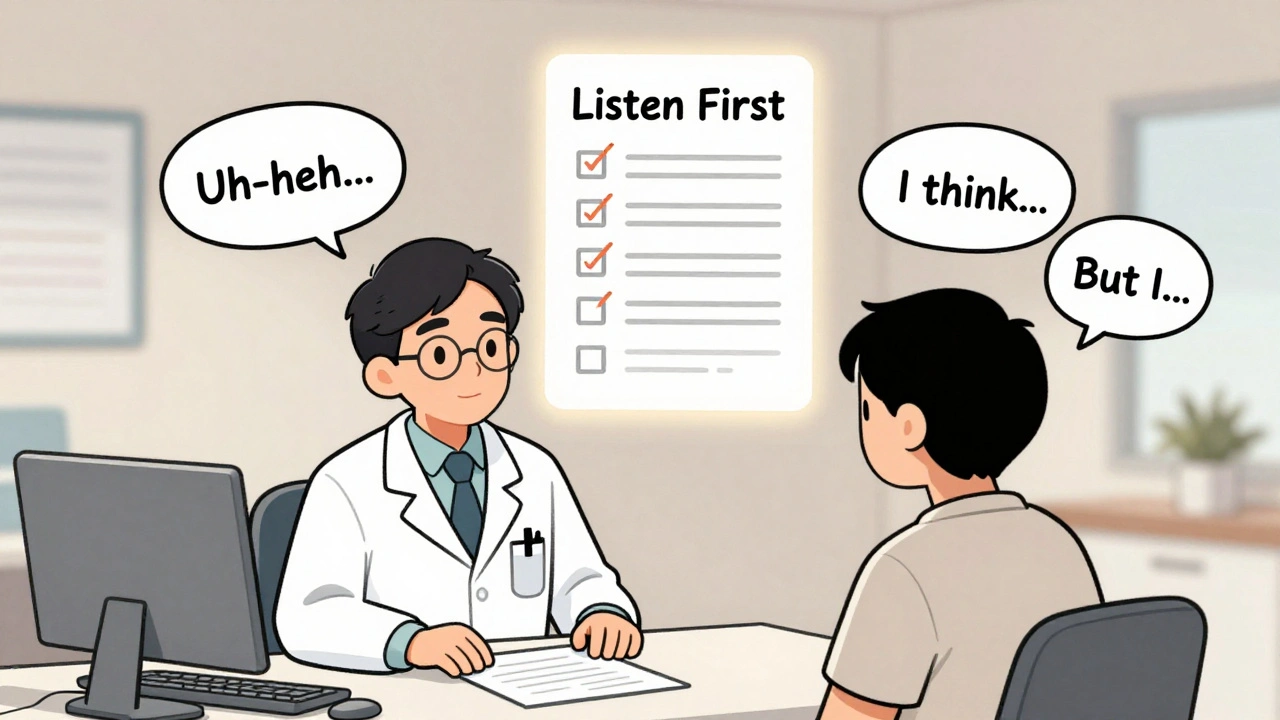
When patients leave the clinic feeling unheard, confused, or scared, it’s rarely because the doctor didn’t know what to do. It’s because healthcare communication broke down. Studies show that up to 80% of medical errors stem from poor communication-not lack of skill or technology. That’s why hospitals and health systems are investing in structured, institutional education programs designed to fix this at the root.
Why Communication Training Isn’t Optional Anymore
It’s not just about being nice. Poor communication directly impacts safety, satisfaction, and costs. The Agency for Healthcare Research and Quality found that 15-20% of adverse patient outcomes are tied to communication failures. Doctors who skip listening time, interrupt too early, or fail to check understanding are more likely to miss diagnoses, trigger patient complaints, or face malpractice claims. Johns Hopkins Medicine found that physicians who completed communication training had 30% fewer malpractice cases. That’s not luck. It’s measurable change. Hospitals are now financially motivated, too. Medicare ties 30% of hospital reimbursements to HCAHPS scores-patient surveys that heavily weight how well staff explained things, listened, and showed respect. If your team can’t communicate, your hospital loses money.What These Programs Actually Teach
These aren’t one-hour webinars on “being polite.” They’re rigorous, evidence-based curricula built on decades of research. Programs like the Program for Excellence in Patient-Centered Communication (PEP) at the University of Maryland focus on specific, observable behaviors:- Eliciting the patient’s full story before jumping to conclusions
- Responding with empathy, not just sympathy
- Navigating difficult conversations-like breaking bad news or addressing non-adherence
- Using open-ended questions instead of yes/no prompts
Not All Programs Are the Same
Some focus on patient interactions. Others tackle team communication or public health crises. The Society for Healthcare Epidemiology of America (SHEA) trains infection control specialists to communicate policy changes and combat vaccine misinformation on social media. Their four-module course helped one clinician correct false claims reaching over 50,000 people monthly. Meanwhile, the Health Communication Training Series from UT Austin prepares public health teams for outbreaks. After the pandemic, CDC reports showed 40% of delays in early response were due to poor internal or public messaging. HCTS now teaches how to build communication plans before emergencies hit-not during them. Northwestern University takes a different route. Their program uses mastery learning: students must hit 85% proficiency on communication assessments before moving forward. They do 4-6 simulation sessions during clinical rotations. The result? 37% higher skill retention after six months compared to traditional lectures.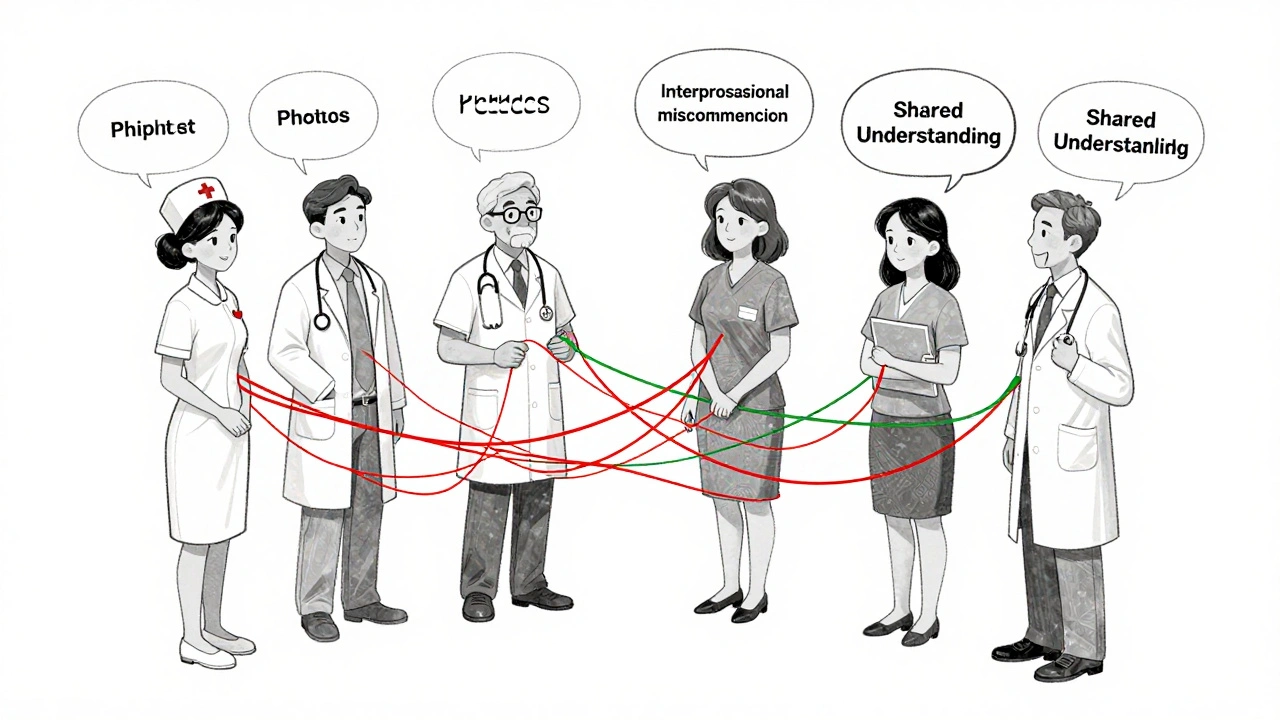
The Hidden Gap: Interprofessional and Equity Communication
Most programs still miss two big pieces. First, communication isn’t just between doctor and patient. It’s between nurses, pharmacists, social workers, and administrators. The AHRQ found that 65% of communication failures happen across teams-not with patients. Yet only 61% of institutions have started building interprofessional communication curricula as of late 2023. Second, cultural and racial gaps persist. AHRQ’s 2023 report found a 28% satisfaction gap between white patients and minority patients when it comes to feeling understood. Only 74% of new programs now include cultural humility training. That’s progress-but not enough. Programs that ignore this are missing half the picture.How These Programs Get Implemented (And Why They Fail)
Training alone doesn’t change behavior. Implementation is where most programs collapse. Successful programs follow a four-step model:- Assess: Use patient surveys to find the biggest gaps. Is it explaining discharge instructions? Listening during pain assessments?
- Prioritize: Focus on 3-5 high-impact skills. Don’t try to fix everything at once.
- Contextualize: Train with real cases from your own clinic. A script from a textbook won’t stick if it doesn’t match your workflow.
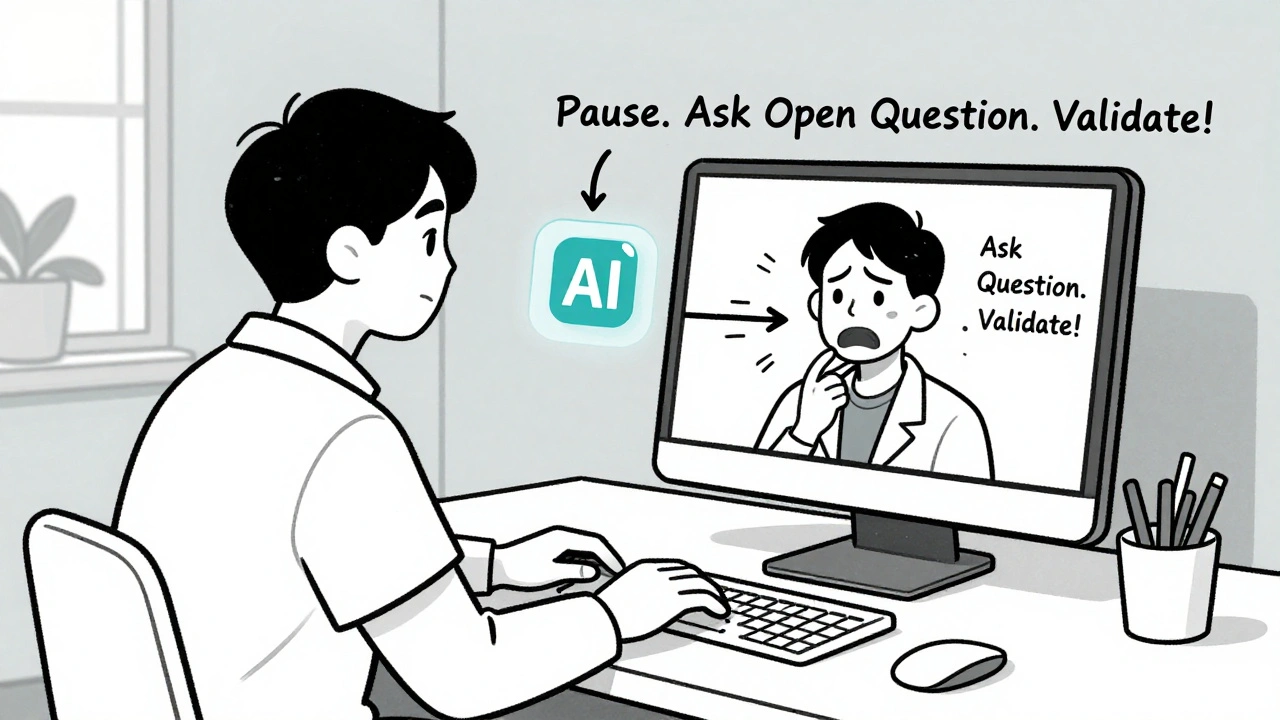
- Integrate: Embed prompts into your EHR. A simple pop-up asking, “Did the patient explain their concerns fully?” can remind staff to pause and listen.
All Comments
Kyle Oksten December 6, 2025
Communication isn’t a soft skill-it’s the operating system of healthcare. You can have the best diagnostics in the world, but if the patient doesn’t understand what’s happening, or feels like a number, the whole system collapses. This isn’t about being nice. It’s about survival. The data doesn’t lie: bad communication kills. And yet, we still treat it like an optional seminar. That’s not just negligent-it’s arrogant.
Nancy Carlsen December 7, 2025
YES. 🙌 I’m a nurse and after our hospital rolled out the PEP program, my burnout dropped HARD. I stopped taking every patient’s frustration personally. Now I say, ‘I hear this is overwhelming,’ and it changes everything. Patients feel seen. I feel less drained. It’s not magic-it’s just listening. And yeah, it’s changed my whole career. 🌱❤️
Ted Rosenwasser December 8, 2025
Let’s be real-most of these ‘communication programs’ are just corporate buzzword bingo dressed up as medicine. You think teaching doctors to say ‘I hear you’ fixes systemic underfunding? Please. The real issue is 12-minute appointments and 300-patient panels. No amount of role-playing simulates reality when you’re running on fumes. This is performative reform. The system is broken. Training doesn’t fix structural collapse.
Helen Maples December 9, 2025
Correction: The AHRQ study cited states that 65% of communication failures occur between *interprofessional teams*, not patients. Yet only 61% of institutions have implemented interprofessional communication curricula. That’s not progress-it’s negligence. Also, ‘cultural humility’ isn’t a buzzword. It’s a clinical imperative. If your training doesn’t address racial disparities in patient perception, you’re not just ineffective-you’re dangerous. And if you think empathy is a ‘soft skill,’ you’ve never seen a Black mother get dismissed while her child codes.
Stacy here December 9, 2025
Have you ever wondered who funds these ‘communication training’ programs? Big Pharma. They know if patients feel ‘heard,’ they’ll take more pills. If they feel ‘respected,’ they won’t question the $12,000 injection. This isn’t about safety-it’s about compliance. The real scandal? The same hospitals that spend millions on empathy training still refuse to pay nurses a living wage. They want you to ‘listen better’ while you’re working 16-hour shifts on caffeine and guilt. Wake up.
Wesley Phillips December 11, 2025
AI feedback tools? That’s cute. My residency program used one and it flagged me for ‘too much eye contact.’ Turns out the algorithm was trained on white male doctors. The system doesn’t see nuance-it sees bias. We’re automating empathy? That’s like teaching grief counseling with a chatbot. We need human beings, not code that thinks ‘I hear you’ means 1.2 seconds of gaze duration.
Olivia Hand December 13, 2025
What’s wild is how little we talk about the reverse: patients who are trained to communicate better. I’ve seen people walk in with bullet-pointed symptom lists, pre-written questions, even rehearsed scripts. They’re not being ‘difficult’-they’re adapting to a system that taught them to fight for care. Maybe the real training should be for patients, not just providers. We’re all just trying not to die in silence.
Desmond Khoo December 14, 2025
Just tried the ‘What’s your biggest concern?’ trick today. My patient started crying. Not because she was scared-because no one had ever asked her that before. I didn’t fix her illness. But for the first time, she didn’t feel like a chart. That’s worth more than any HCAHPS score.