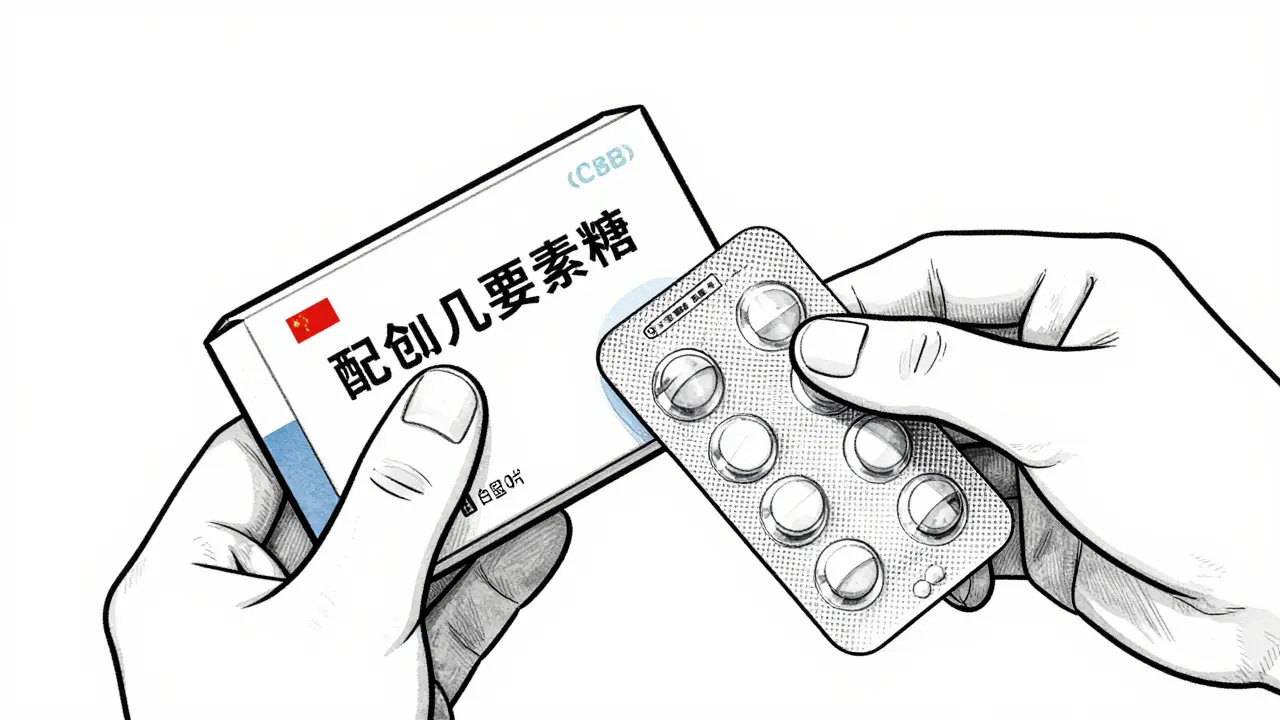
You pick up your prescription for a generic blood pressure medication or painkiller. It looks right. The box is the same color. The tablet inside matches the shape you expect. But what if it’s not real? Counterfeit medicines are no longer just a problem in distant markets; they have infiltrated supply chains globally. According to the World Health Organization (WHO), up to 10% of medicines in high-income countries and as many as 30% in low- and middle-income countries are substandard or falsified. For generic drugs, which make up 90% of prescriptions in the United States but often carry lower profit margins, the risk can be higher because manufacturers sometimes invest less in expensive security packaging.
Verifying the authenticity of generic medicines isn't just about peace of mind; it's a matter of life and death. A fake pill might contain too little active ingredient, leading to treatment failure, or worse, toxic substances like arsenic or industrial dyes. This guide breaks down exactly how you can inspect packaging and labeling to spot fakes, what tools professionals use, and why the system is evolving to keep you safe.
The Basics: Why Generics Are Harder to Verify
Before looking at specific checks, it helps to understand why generic medicines present a unique challenge. Unlike branded drugs, which have massive marketing budgets and standardized global packaging, generics come from hundreds of different manufacturers. Each manufacturer uses slightly different box designs, fonts, and blister pack materials. This inconsistency makes it harder for pharmacists and patients to spot anomalies immediately.
In 2022, a survey by the National Community Pharmacists Association (NCPA) found that 68% of independent pharmacists reported difficulty verifying generic medicines compared to only 22% for branded products. The main culprits? Inconsistent application of security features and a lack of reference samples. When you buy a branded drug, you know exactly what the box should look like because it never changes. With generics, if you switch pharmacies or if the pharmacy switches suppliers, the packaging might change legitimately. This variability creates a blind spot that counterfeiters exploit.
| Feature | Branded Medicines | Generic Medicines |
|---|---|---|
| Packaging Consistency | High (Standardized globally) | Low (Varies by manufacturer) |
| Security Feature Investment | High (0.7-1.1% of revenue) | Lower (1.2-1.8% of revenue is costly) |
| Supply Chain Complexity | Simpler (3-4 distribution points) | Complex (5-7 distribution points) |
| Pharmacist Verification Difficulty | Low (22% report issues) | High (68% report issues) |
Overt Security Features: What You Can See Without Tools
The first line of defense is visual inspection. These are called "overt" security features because they are visible to the naked eye. While sophisticated counterfeits can mimic these, many fakes still cut corners here. Here is what to look for on your generic medication packaging.
- Color-Shift Inks: Some manufacturers use optically variable ink (OVI) that changes color when you tilt the box. For example, Pfizer’s Viagra packaging shifts from green to blue. While less common on cheap generics due to cost, some higher-risk generics now include this. If the text stays flat and dull gray regardless of angle, be cautious.
- Holograms with Micro-text: Look closely at any holographic sticker. Authentic holograms often contain micro-text-tiny letters or numbers usually between 50-100 micrometers in size-that are sharp and clear. Fake holograms often appear blurry or pixelated under magnification. INTERPOL’s 2021 Operation Pangea report noted that while sophisticated counterfeiters can replicate holograms with 80-90% accuracy, cheaper fakes fail this test entirely.
- Print Quality and Fonts: Examine the expiration date and batch number. In a 2023 Reddit thread where pharmacists discussed catching fakes, one user noted that the font on the expiration date of fake Nexium® generics was slightly different. Look for smudging, uneven printing, or fonts that don’t match the rest of the label. Authentic pharmaceutical packaging uses high-resolution printing; blurriness is a red flag.
- Tamper-Evident Seals: Check the seal around the cap of a bottle or the edge of a blister pack. It should break cleanly when opened. If the seal looks glued on haphazardly or if the plastic film is loose, the product may have been tampered with or replaced.
Covert Features: Using Simple Tools for Better Detection
If visual inspection raises doubts, move to covert features. These require simple, inexpensive tools but provide much higher confidence in authenticity. You don’t need a lab to perform these checks.
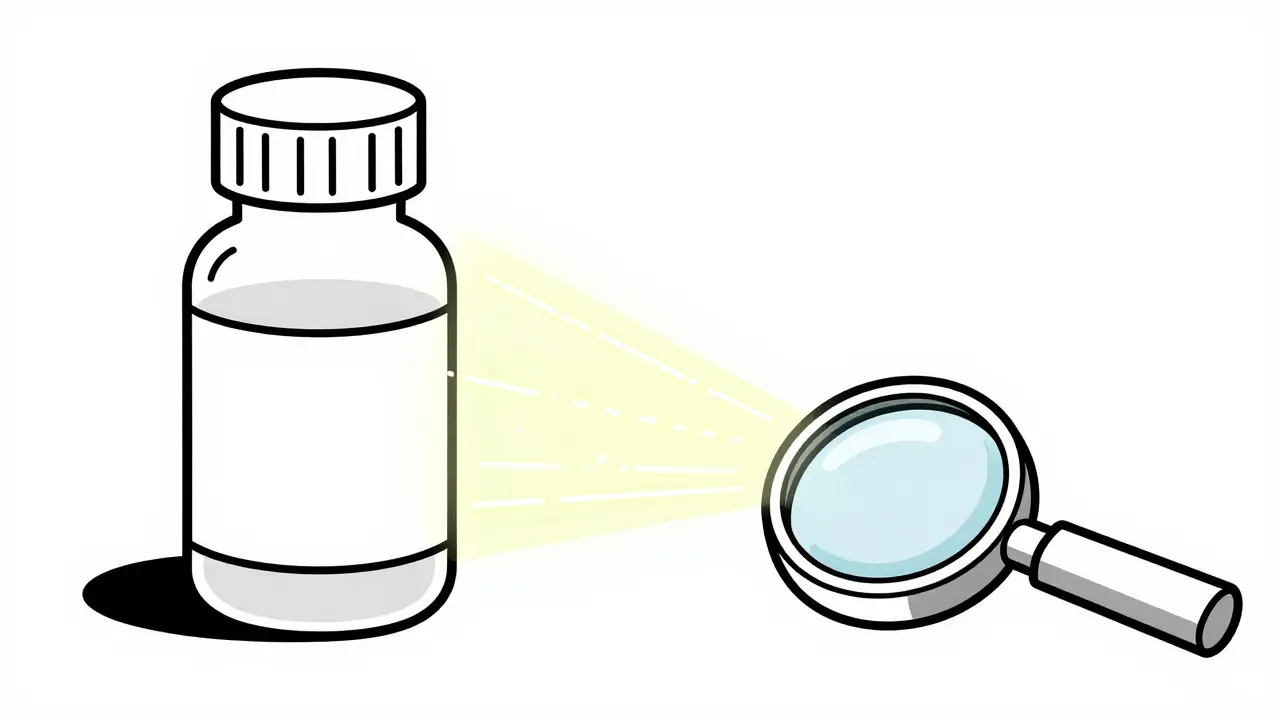
Ultraviolet (UV) Light Inspection: Many pharmaceutical companies, including Johnson & Johnson on Tylenol packaging since 2015, use UV-sensitive inks. These inks are invisible under normal light but glow brightly under a 365nm ultraviolet lamp. A basic UV flashlight costs between $20 and $50 and can be kept in your home medicine cabinet. Shine it on the box and the blister pack. If the manufacturer specifies a UV mark (often found in the fine print or on the company website) and it’s missing, the drug could be fake. Conversely, if there is no specified UV mark but you see random glowing patterns, it might indicate unauthorized re-packaging.
Magnification: A simple 10x loupe or magnifying glass allows you to inspect micro-printing and hologram details. As mentioned earlier, authentic micro-text is crisp. Fakes often show jagged edges or merged letters. This step takes seconds but can reveal poor-quality printing that the naked eye misses.
Digital Verification: Track-and-Trace Systems
The most robust method for verifying generic medicines is digital track-and-trace. Regulatory bodies worldwide are mandating these systems to create a digital trail from factory to patient.
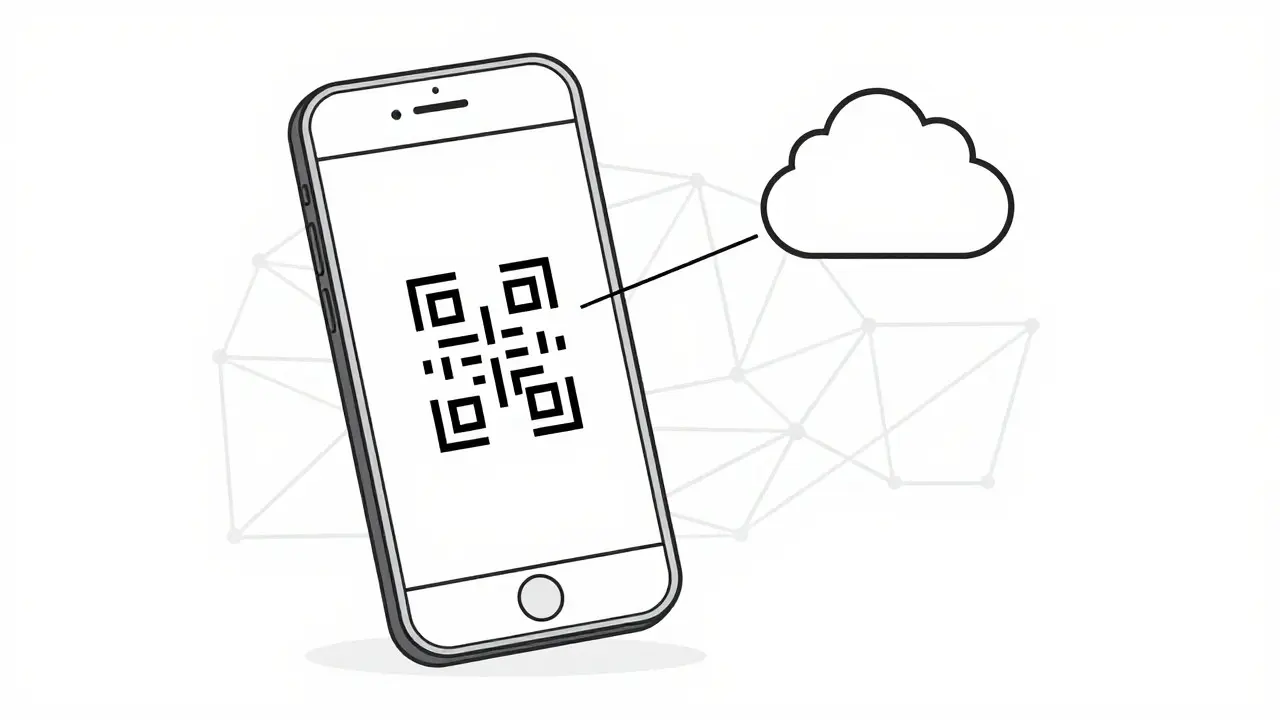
In the European Union, the Falsified Medicines Directive (FMD) requires all prescription medicines to have two key safety features: an external unique identifier (a 2D data matrix code) and an anti-tampering device. By February 2019, this became standard across 32 European countries. The European Medicines Verification System (EMVS) processes over 2.5 billion verification requests annually with 99.998% uptime. When you scan the code with a pharmacy scanner or a compatible app, it checks against a central database to confirm the product hasn’t already been dispensed elsewhere.
In the United States, the Drug Supply Chain Security Act (DSCSA) mandated full product tracing through the supply chain by November 27, 2023. However, consumer-facing apps face challenges. Trustpilot reviews of verification apps like MediMark highlight that barcode scanning fails 40-50% of the time with generics due to inconsistent serialization. Not all generic manufacturers have fully implemented scannable codes yet. The Generic Pharmaceutical Association aims for 100% serialization of all U.S. generics by 2026, but until then, gaps remain.
Pro Tip: If your country uses a national verification app (like India’s DAVA or Nigeria’s mobile verification services), always cross-check the serial number. If the app says "already verified" or "invalid," do not take the medication. Field workers in Nigeria reported that mobile apps work only 65% of the time due to network issues, so if the app fails, rely on physical inspection and consult a pharmacist.
Professional Grade: Spectroscopy and Analytical Testing
For hospitals and large pharmacies, visual and digital checks aren't enough. Modern counterfeits can replicate packaging with 95% accuracy, according to Dr. Maria Kresal of the European Directorate for the Quality of Medicines (EDQM). To catch these, professionals use spectroscopic devices.
Near-Infrared (NIR) Spectroscopy is currently considered the gold standard for field verification. Devices like the Thermo Fisher TruScan® RM weigh about 1.4 kg and analyze a sample in 10-30 seconds. NIR spectroscopy detects physicochemical differences invisible to the naked eye, such as coating defects or moisture content variations. A study in the American Pharmaceutical Review showed that correlation coefficients below 0.85 reliably indicate counterfeits in Plavix® generics. These devices cost between $15,000 and $50,000, making them inaccessible for most consumers but essential for community pharmacies.
Raman spectroscopy is another option, offering high accuracy (88-94%) for identifying specific chemical constituents. However, it struggles with dark-colored tablets due to fluorescence interference. X-ray diffraction systems are heavier (around 18 kg) and slower (30-60 seconds per sample) but provide detailed crystal structure analysis. The FDA’s Product Quality Research Institute (PQRI) established standards in 2018 requiring these systems to achieve at least 95% accuracy in distinguishing authentic from counterfeit products under field conditions.
Common Pitfalls and How to Avoid Them
Even with knowledge, mistakes happen. Here are common scenarios where verification fails and how to protect yourself.
- Ignoring Legitimate Packaging Changes: Generic manufacturers often update packaging without notice. Before discarding a drug because the box looks different, call the pharmacy. Ask if the supplier changed. If they confirm a legitimate change, request to see the new reference image.
- Over-Reliance on Price: While extremely low prices are a red flag, generics are inherently cheap. Don’t assume a drug is fake just because it’s affordable. Focus on physical and digital verification instead.
- Skipping the Blister Pack Check: Counterfeiters often reuse authentic empty boxes and fill them with fake pills. Always inspect the individual blister packs. Look for uneven foil sealing, bubbles in the plastic, or pills that are chipped or discolored.
- Using Unverified Online Pharmacies: The WHO warns that online purchases are a major source of counterfeits. Only buy from licensed pharmacies that require a prescription and display their licensing information clearly. If a site offers "miracle cures" or accepts only cryptocurrency, walk away.
The Future of Generic Medicine Verification
The battle against counterfeit generics is evolving. Blockchain technology is being piloted by the FDA involving 12 manufacturers and 500 pharmacies, achieving 99.2% accuracy in tracking products through distribution tiers. By 2028, Gartner forecasts that 70% of pharmaceutical verification will use AI-enhanced multi-method approaches, combining visual, digital, and spectroscopic data for near-perfect detection.
However, challenges remain. Dr. Paul Newton from Oxford University notes that while track-and-trace has reduced wholesale counterfeiting in regulated markets by 65-75%, it remains inaccessible to 80% of healthcare facilities in sub-Saharan Africa due to infrastructure limitations. Global cooperation is essential. The WHO emphasizes that national systems alone cannot address transnational counterfeiting.
As a consumer, your role is critical. Stay informed, ask questions, and never ignore subtle signs of tampering. Your health depends on the authenticity of the medicine you take.
How can I tell if my generic medicine is fake without special equipment?
Start with visual inspection. Check for high-quality printing, sharp text, and intact tamper-evident seals. Look for holograms with clear micro-text. If the packaging feels flimsy, the colors are dull, or the expiration date font looks inconsistent, contact your pharmacist. Additionally, check if the manufacturer provides a UV verification feature; a $20 UV light can reveal hidden inks that fakes often miss.
Why are generic medicines more prone to counterfeiting than branded ones?
Generics have lower profit margins, so manufacturers sometimes invest less in expensive security packaging. They also come from many different suppliers, leading to inconsistent packaging designs that make it harder to spot anomalies. Furthermore, generic supply chains are more complex, passing through 5-7 distribution points versus 3-4 for branded drugs, creating more opportunities for interception and substitution.
What is the most reliable way to verify a generic drug?
The most reliable method is a combination of digital track-and-trace and physical inspection. In regions with robust systems like the EU’s EMVS, scanning the 2D data matrix code is highly effective. In other areas, using a handheld UV light to check for covert inks and examining the blister pack for manufacturing defects provides strong evidence. For absolute certainty, professional NIR spectroscopy is the gold standard, though it requires specialized equipment.
Are online pharmacies safe for buying generic medications?
Only if they are licensed and accredited. Look for verification seals from organizations like VIPPS (Verified Internet Pharmacy Practice Sites) in the US or equivalent bodies in your country. Be wary of sites that do not require a prescription, offer prices significantly lower than market rate, or accept only untraceable payment methods. The WHO reports that a significant portion of counterfeit drugs enter the market through unregulated online channels.
What should I do if I suspect my medication is counterfeit?
Stop taking the medication immediately. Save the packaging and any remaining pills as evidence. Contact your pharmacist or doctor to discuss alternative treatments. Report the incident to your local regulatory authority, such as the FDA in the US or the MHRA in the UK. Do not throw the suspected fake away, as authorities may need to analyze it to trace the source.