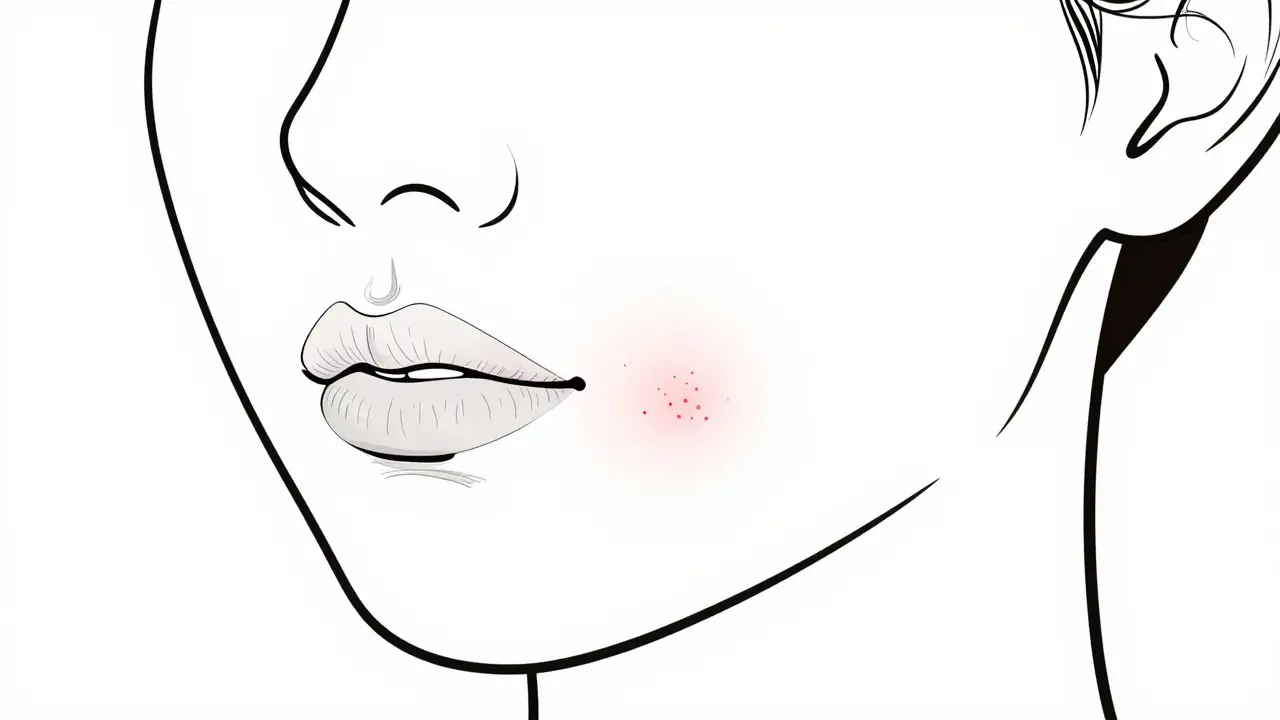
Have you ever noticed a cluster of tiny, red bumps appearing around your mouth? It might look like acne, but if there are no blackheads and the rash spares the immediate edge of your lips, you could be dealing with perioral dermatitis, a condition that affects millions but is often misunderstood. Unlike standard breakouts, this inflammatory skin issue doesn't respond to typical acne treatments. In fact, using the wrong products can make it significantly worse. Understanding what causes these flare-ups and how to adjust your daily routine is the only way to clear the skin and prevent it from coming back.
What Exactly Is Perioral Dermatitis?
Perioral dermatitis is an inflammatory skin condition characterized by small red papules or pustules forming a rash primarily around the mouth. First described in medical literature in the 1950s, it predominantly affects women between the ages of 16 and 45. The ratio is striking: for every man diagnosed, about nine women are affected. While it’s not contagious, it can be incredibly frustrating. About 78% of people living with this condition report feeling psychological distress because of its appearance. The lesions are usually 1-2mm in diameter and often come with a burning or itching sensation. In more severe cases, the rash can spread to the area around the eyes, known as periocular dermatitis.
The key difference between perioral dermatitis and acne vulgaris is the absence of comedones (blackheads or whiteheads) and the specific location of the rash. If you’ve been treating this with harsh acne creams, you might be part of the 40-60% of patients who experience recurrence because the underlying triggers were never addressed.
The Primary Triggers: What’s Causing Your Flare-Up?
Identifying the cause is half the battle. Research shows that topical corticosteroids are the biggest culprit, linked to 85% of cases. Many people use over-the-counter hydrocortisone cream to reduce redness or treat eczema. Initially, the steroid calms the inflammation, but once you stop using it-or even while continuing-rebound inflammation occurs. This creates a vicious cycle where the skin becomes dependent on the steroid, leading to worse breakouts when discontinued. About 92% of patients who use facial steroids for more than two weeks fall into this trap.
Cosmetics also play a massive role. Heavy moisturizers containing occlusive ingredients like petroleum jelly, dimethicone, or beeswax trigger reactions in 45% of cases. These ingredients create a barrier that traps heat and bacteria against the skin. Makeup foundation is another major provoker, responsible for 68% of cosmetic-related flare-ups. Even sunscreens can be problematic; physical blockers with high concentrations of zinc oxide or titanium dioxide affect 22% of patients.
Surprisingly, your oral hygiene habits might be to blame. Fluoridated toothpaste causes reactions in 37% of cases, particularly those with sodium fluoride concentrations between 1,000 and 1,500 ppm. Other less obvious triggers include chewing gum (19% of cases), certain dental fillings (12%), and environmental factors like wind (41%) and UV exposure (63%). Hormonal fluctuations also exacerbate symptoms in 55% of female patients, with many noticing worsening right before their period.
| Trigger Category | Specific Cause | Prevalence in Cases |
|---|---|---|
| Medications | Topical Corticosteroids | 85% |
| Cosmetics | Heavy Moisturizers/Occlusives | 45% |
| Oral Hygiene | Fluoridated Toothpaste | 37% |
| Hormonal | Premenstrual Changes | 72% of hormonal cases |
| Environmental | UV Exposure | 63% |
Building a Gentle Skin Care Protocol
If you suspect you have perioral dermatitis, the first step is to simplify your routine drastically. "Gentle" means minimal. You don’t need a ten-step regimen; you need two or three products maximum. The goal is to repair the skin barrier without irritating it further.
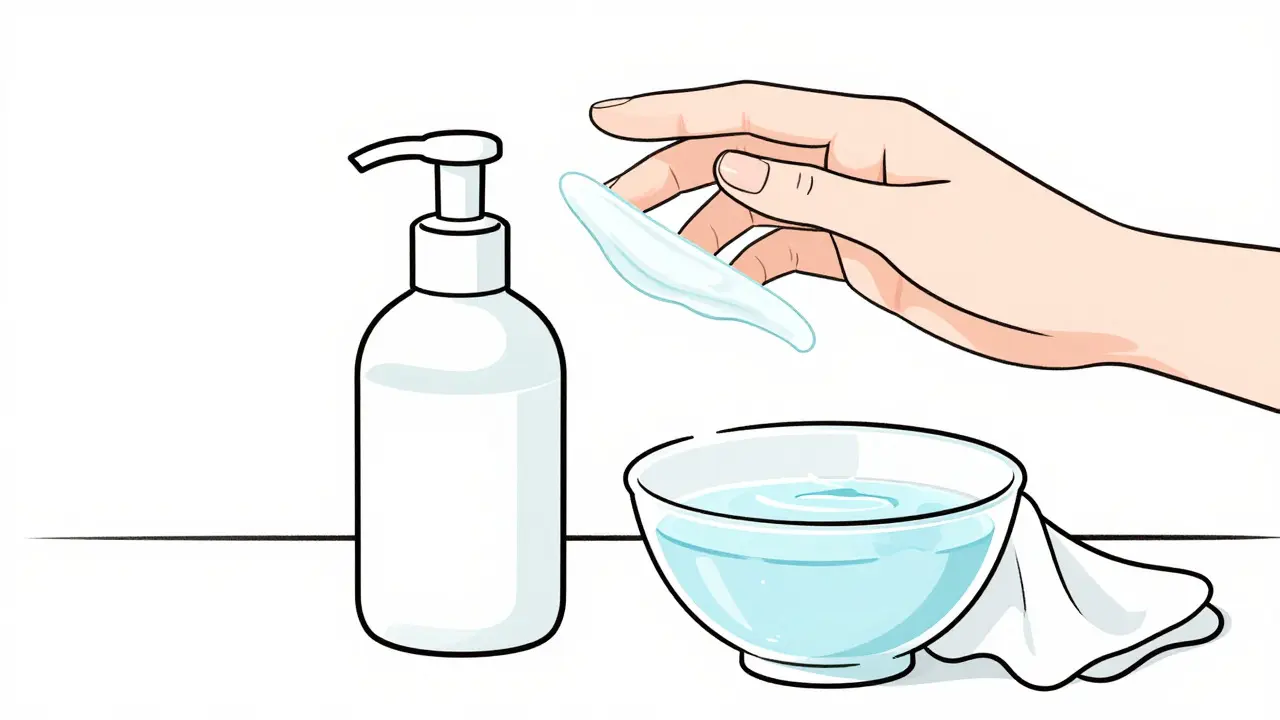
Cleansing: Stop washing your face twice a day. Over-washing strips natural oils and exacerbates inflammation in 88% of cases. Switch to a non-foaming, pH-balanced cleanser with a pH between 5.5 and 6.5. Use it only once daily, preferably at night. In the morning, rinsing with lukewarm water is often enough. Avoid any cleansers with foaming agents, acids (like salicylic or glycolic acid), or fragrances.
Moisturizing: Your skin needs hydration, but not heaviness. Look for lightweight formulations containing ceramides (0.5-2%) and hyaluronic acid (below 1%). Avoid anything labeled "rich," "cream," or containing petroleum. Products like Vanicream Moisturizing Cream are popular choices because they lack common irritants. Apply a thin layer immediately after cleansing to lock in moisture.
Sun Protection: This is tricky because mineral sunscreens can trigger flares. If you must use sunscreen, opt for liquid, gel, or light milk formulations with mineral filters below 5% concentration. However, many dermatologists suggest that physical barriers like wide-brimmed hats are safer alternatives during active flare-ups. If you choose a product, EltaMD UV Clear Broad-Spectrum SPF 46 is frequently cited by patients as effective due to its lower zinc oxide content (4.7%).
The Steroid Withdrawal Phase
Stopping topical steroids is the most critical and difficult step. Be prepared for a "purge" phase. In 75% of patients, symptoms worsen initially for 7-14 days after discontinuation. This is known as steroid withdrawal. The redness may increase, and new bumps might appear. It feels counterintuitive, but pushing through this phase is necessary for long-term healing. Most people describe this week as "the worst phase," but improvement typically begins shortly after.
During this time, resist the urge to apply anything soothing that contains steroids or heavy occlusives. Stick to your gentle cleanser and lightweight moisturizer. Patience is key. Clinical data shows that comprehensive trigger identification reduces recurrence rates from 60% to just 25%.
Medical Treatments and When to See a Doctor
If lifestyle changes and gentle skincare don’t resolve the issue within a few weeks, medical intervention is necessary. Topical antibiotics are the first line of defense. Metronidazole 0.75% gel demonstrates a 70% clearance rate after eight weeks of twice-daily application. Another option is pimecrolimus 1% cream, which shows 65% improvement with fewer side effects than traditional antibiotics.
For moderate to severe cases, oral antibiotics may be prescribed. Doxycycline 40mg modified-release is often used because it achieves an 85% clearance rate after 12 weeks with minimal gastrointestinal side effects (only 12% of patients experience issues). Treatment duration typically spans 6-12 weeks. Stopping treatment early leads to a 40% recurrence rate, so consistency is vital.
Note that guidelines vary by region. The American Academy of Dermatology recommends 8-12 weeks of therapy, while European guidelines sometimes suggest limiting antibiotics to 6 weeks to prevent resistance. Always follow your dermatologist’s specific advice.
Dietary Considerations and Controversies
The role of diet in perioral dermatitis is debated. Some clinicians report success with gluten-free diets, noting a 43% resolution rate in patients with documented gluten sensitivity. However, broader studies show limited evidence for dietary interventions in the general population, with only 12% efficacy in unselected groups. If you suspect food sensitivities, consider keeping a food diary to identify personal triggers rather than making drastic changes blindly. Common suspects include spicy foods, citrus, and excessive sugar, though scientific backing varies.
Frequently Asked Questions
How long does it take for perioral dermatitis to heal?
Healing times vary, but most patients see significant improvement within 6 to 12 weeks of proper treatment. If you are withdrawing from topical steroids, expect an initial worsening phase lasting 7-14 days before the skin starts to clear. Consistency with a gentle skincare routine and prescribed medications is crucial for preventing recurrence.
Can I wear makeup while I have perioral dermatitis?
It is best to avoid makeup during active flare-ups. Foundations and concealers can clog pores and introduce irritants. If you must wear makeup, choose non-comedogenic, fragrance-free mineral powders with low titanium dioxide content (below 3%). Avoid liquid foundations and heavy creams, as they often contain occlusive ingredients that worsen the condition.
Is perioral dermatitis caused by bad hygiene?
No, perioral dermatitis is not caused by poor hygiene. In fact, over-washing and using harsh cleansers can damage the skin barrier and make the condition worse. It is an inflammatory response triggered by factors like topical steroids, certain cosmetics, or genetic predisposition, not by dirt or bacteria accumulation.
Should I stop using my current moisturizer?
Yes, if your current moisturizer is heavy, creamy, or contains petroleum, dimethicone, or beeswax, you should stop using it immediately. Switch to a lightweight, fragrance-free lotion or gel containing ceramides. Occlusive moisturizers trap heat and bacteria, which can aggravate the inflammation associated with perioral dermatitis.
Does toothpaste really cause perioral dermatitis?
Yes, fluoridated toothpaste is a known trigger for approximately 37% of cases. Sodium fluoride and sodium lauryl sulfate (SLS) can irritate the skin around the mouth. Switching to a non-fluoridated, SLS-free toothpaste can help resolve symptoms in many patients within 4-6 weeks. Be careful not to let the toothpaste touch your skin when brushing.