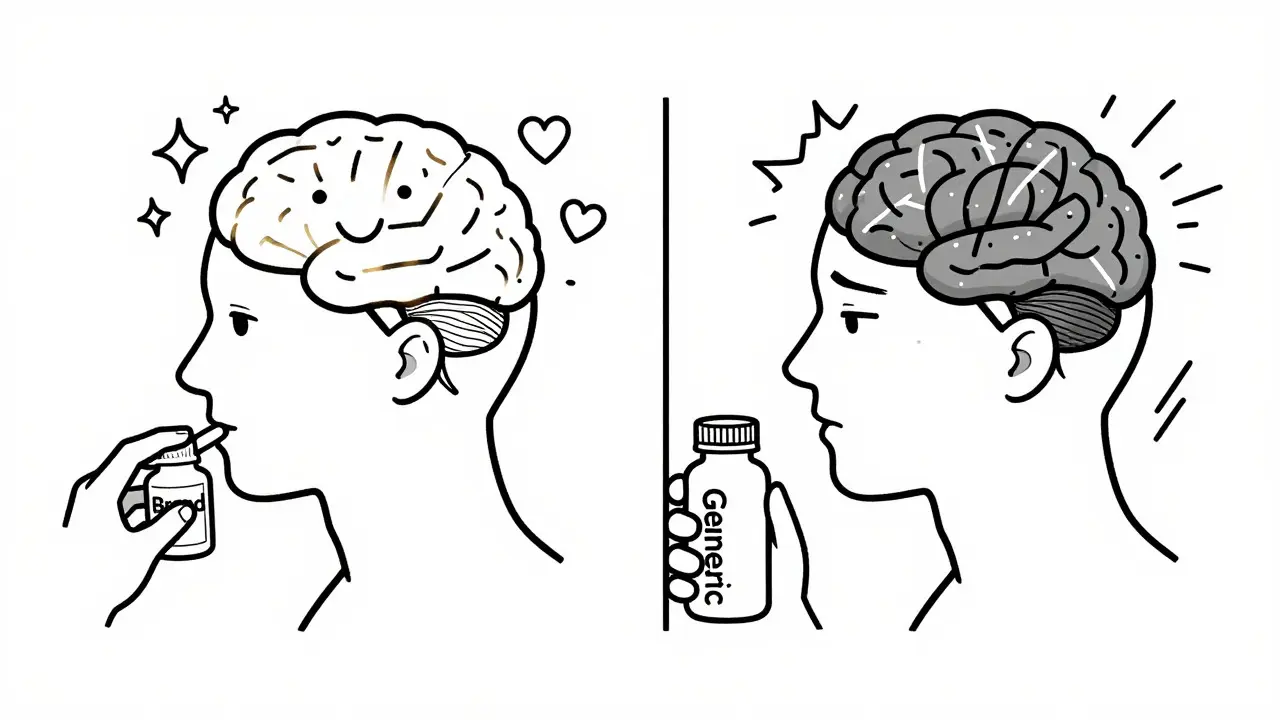
Have you ever taken a pill and felt it work instantly, only to find out later it was just sugar? Or perhaps you switched from a brand-name drug to a cheaper generic and suddenly felt side effects that weren't there before? You aren't imagining things. Your brain is actively rewriting your physical experience based on what you believe about the medicine in your hand.
This isn't just psychology; it's biology. The way we perceive medications-specifically the difference between expensive brand names and affordable generics-triggers real neurobiological changes. These changes can boost pain relief or, conversely, create phantom side effects. Understanding this dynamic is crucial for anyone managing chronic conditions, because your expectations are literally part of the treatment plan.
The Science Behind Brand Loyalty
We often think of medicine as purely chemical. If two pills have the same active ingredient, they should do the exact same thing. And chemically, that is true. But humans are not test tubes. We process information through expectation, memory, and social cues.
Ted Kaptchuk, a professor at Harvard Medical School, has spent years mapping how these psychological factors translate into physical results. His research shows that the placebo effect is not a "fake" response but a genuine physiological reaction mediated by the brain's reward and expectation systems. When you take a drug, your brain releases neurotransmitters like endorphins and dopamine based on what you expect to happen.
A landmark study published in Health Psychology by Faasse et al. in 2016 illustrates this perfectly. Researchers gave students with headaches either real ibuprofen (400 mg) or a placebo. However, some placebos were labeled as "Nurofen" (a well-known brand), while others were labeled "Generic Ibuprofen." The result? The placebo labeled as the brand provided pain relief equivalent to the actual drug. The generic-labeled placebo provided significantly less relief. The branding alone boosted the placebo effect by roughly 30-40%. Your brain saw the familiar logo and prepared the body for relief before the pill even dissolved.
When Expectations Backfire: The Nocebo Effect
If positive expectations can heal, negative expectations can harm. This is called the nocebo effect, which occurs when negative expectations about a treatment cause patients to experience adverse symptoms or reduced efficacy, even if the treatment is inert or safe.
This phenomenon is particularly dangerous with generic medications. Because generics are cheaper, many patients subconsciously equate "low cost" with "low quality" or "more chemicals." Dr. Ulrike Bingel, Director of the Center for Mind, Brain and Behavior at the University of Essen, explains that anxiety about medication causes patients to hyper-monitor their bodies. They start noticing benign sensations-like a slight muscle twitch-and interpret them as serious side effects because they *expect* the cheap drug to be harsher.
In large clinical trials for statins (cholesterol drugs), between 4% and 26% of patients stopped taking the placebo group's inert pills because they reported side effects like muscle pain. They weren't reacting to a drug; they were reacting to the idea of taking a drug. A 2017 study in Science by Professor Karin Tinnermann went further. Participants who believed they were using an expensive cream reported twice as much pain as those who thought they were using a generic version. fMRI scans confirmed that the "expensive" group had higher activation in brain regions associated with pain processing. They genuinely felt more pain because they expected the treatment to be less effective or more taxing.
Brain Imaging Proves It’s Real
Skeptics might argue that placebo effects are just people "imagining" relief. Neuroimaging technology has debunked this myth. When patients receive a branded placebo versus a generic one, their brains light up differently.
- Prefrontal Cortex Activation: Studies show that brand-name labels trigger stronger activity in the dorsolateral and dorsomedial prefrontal cortex. This area handles expectation and cognitive control. It essentially tells the rest of the nervous system, "We are being treated, prepare for improvement."
- Spinal Cord Modulation: In Tinnermann’s study, spinal cord recordings showed objectively greater pain responses in the group expecting inferior treatment. The signal wasn't blocked; it was amplified by fear and doubt.
- Dopamine Release: In Parkinson’s disease trials, branded placebos have been shown to trigger dopamine release similar to actual medication, temporarily improving motor function.
This means the difference between a brand and a generic isn't just in the bottle; it's in the wiring of your brain. For conditions driven heavily by subjective perception-like chronic pain, depression, and anxiety-this neural gap can make a significant difference in outcomes.
Why Generics Get a Bad Rap
So why do so many patients distrust generics? It comes down to three main factors: price, appearance, and marketing.
| Factor | Brand-Name Drug | Generic Drug | Impact on Outcome |
|---|---|---|---|
| Price Signal | High Cost | Low Cost | High cost triggers expectation of superior potency; low cost triggers suspicion of inferiority. |
| Packaging Design | Distinctive, Professional | Plain, Utilitarian | Professional design reinforces trust; plain design may reduce confidence in efficacy. |
| Marketing Exposure | Heavy Advertising | Little to None | Familiarity breeds comfort and expectation of success; unfamiliarity breeds anxiety. |
| Physician Communication | Often Prescribed Confidently | Often Framed as "Cheaper Alternative" | Confidence boosts placebo effect; framing as "alternative" highlights difference rather than equivalence. |
The FDA requires generics to contain the same active ingredient in the same amount as the brand name. They must also meet strict bioequivalence standards, meaning they absorb into the bloodstream within 80-125% of the brand's rate. For most drugs, this difference is clinically irrelevant. However, for narrow therapeutic index drugs (like certain seizure or heart medications), even small variations matter. But for the vast majority of prescriptions, the chemistry is identical. The perceived difference is entirely psychological.
A 2022 Consumer Reports survey found that 63% of Americans still believe brand-name drugs are superior. This belief persists despite generics making up 90% of prescriptions filled in the US. This disconnect costs the healthcare system billions annually in lost adherence and unnecessary doctor visits.
How Doctors Can Bridge the Gap
If perception drives physiology, then managing perception is a medical intervention. Doctors and pharmacists hold the key to unlocking the full potential of generic medications through "expectation management."
Research from JAMA Internal Medicine (2020) shows that spending just 2-3 extra minutes explaining generic equivalence can increase patient adherence by 18-22%. Here is how effective communication works:
- Avoid Negative Framing: Never say, "This is just a generic." Instead, say, "This is the same medication, made by a different manufacturer, approved by the FDA to work identically."
- Normalize the Switch: Remind patients that 90% of prescriptions in the country are generics. Frame it as the standard of care, not a budget compromise.
- Address Side Effects Proactively: Explain that mild initial discomfort is common with any new medication, regardless of brand, and usually fades. This prevents patients from attributing normal bodily sensations to "bad ingredients" in the generic.
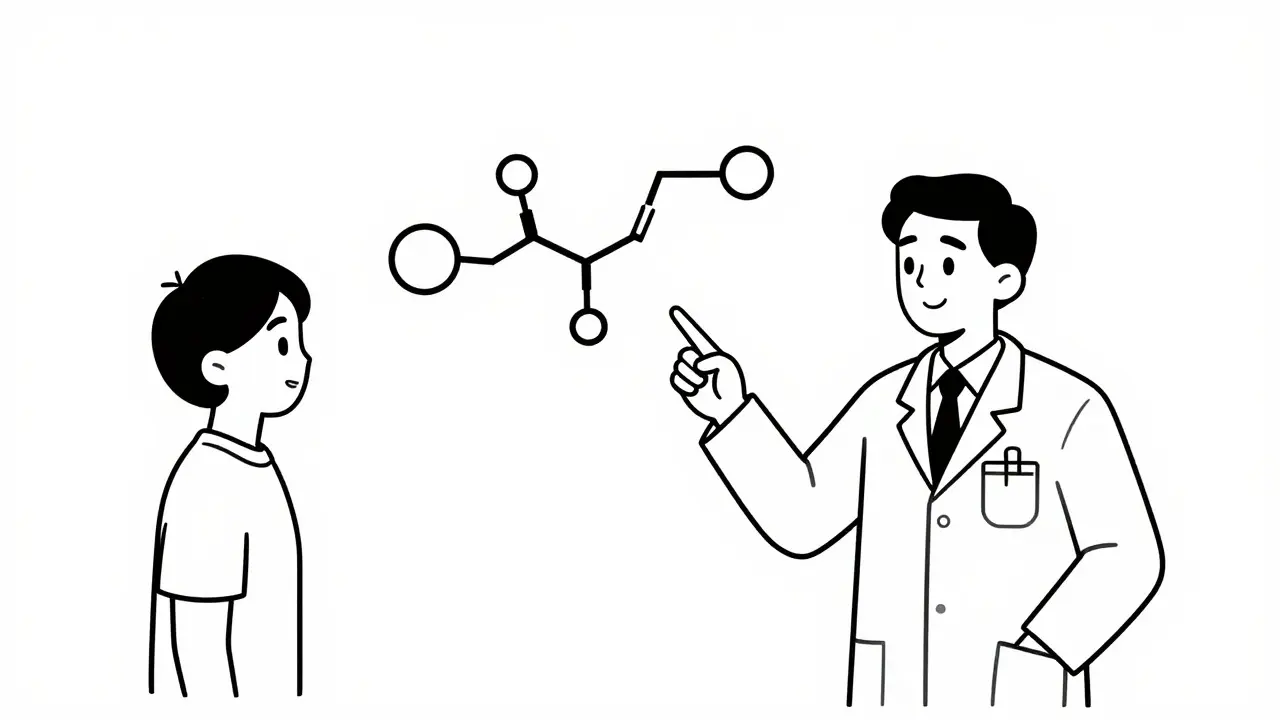
- Use Visual Aids: Showing the chemical structure or the bioequivalence graph can help visual learners understand that the core molecule is unchanged.
Dr. Sarah Johnson, cited in the American Journal of Managed Care, notes that when she explicitly states, "The FDA requires this to deliver the same amount of active ingredient," patient confidence rises sharply. Education neutralizes the nocebo effect.
Practical Tips for Patients
If you are prescribed a generic, you have power over your outcome. Your mindset is a tool. Here is how to use it:
- Trust the Process: Remind yourself that the drug has passed rigorous testing. Doubt activates the nocebo pathway; trust activates the placebo pathway.
- Consistency Matters More Than Brand: Stick with one manufacturer if possible. While switching between brands is safe, constantly changing manufacturers can introduce minor variations in inactive ingredients (fillers/dyes) that might affect sensitive individuals. Consistency helps your body adjust.
- Monitor Objectively: Keep a symptom diary. If you feel worse on a generic, record specific data points (pain level, sleep hours) rather than relying on general feelings. Often, the data shows no change, which helps retrain your brain.
- Ask Questions: If you suspect a generic isn't working, ask your pharmacist if it's a known issue with that specific manufacturer. Sometimes, a simple switch to a different generic brand solves the problem-not because of chemistry, but because your brain accepts the new routine.
The Future of Perception-Based Medicine
The pharmaceutical industry is beginning to take notice. Companies are investing in "premium generics" with better packaging and clearer labeling to bridge the trust gap. Teva Pharmaceutical, for example, markets certain OTC products with branding that emphasizes quality, capturing significant market share despite identical composition to store brands.
Regulatory bodies are also adapting. The FDA’s 2023 draft guidance on "Managing Patient Expectations" encourages providers to use language that emphasizes therapeutic equivalence. Meanwhile, researchers at Oxford University are experimenting with "expectation priming"-short educational videos shown before administration-to boost the efficacy of generics by up to 28%.
We are moving toward a model where medicine treats both the body and the mind simultaneously. Acknowledging the placebo and nocebo effects isn't about admitting drugs are fake. It's about recognizing that healing is a partnership between chemistry and consciousness. By understanding how our perceptions shape our physiology, we can get the most out of every pill, whether it costs $5 or $500.
Are generic drugs really the same as brand-name drugs?
Yes, regarding the active ingredient. The FDA requires generics to contain the same active component in the same strength and dosage form. They must also demonstrate bioequivalence, meaning they enter the bloodstream at a similar rate and extent as the brand name. The differences lie only in inactive ingredients like dyes, fillers, and binders, which generally do not affect efficacy.
Can my brain actually make a placebo work as well as a real drug?
In many cases, yes. Research shows that for conditions like pain, anxiety, and depression, the placebo effect can produce measurable neurobiological changes, including the release of endorphins and dopamine. While a placebo rarely cures structural issues (like a broken bone), it can significantly modulate symptom perception and physiological stress responses, sometimes matching the effectiveness of active medication in clinical trials.
What is the nocebo effect, and how does it affect generics?
The nocebo effect is the opposite of the placebo effect. It occurs when negative expectations lead to negative outcomes. With generics, if a patient believes the cheaper drug is "weaker" or "full of chemicals," they may report more side effects or feel less relief, even though the drug is chemically equivalent. This anxiety can physically amplify pain signals and stress hormones.
Should I pay extra for brand-name drugs if I'm worried about generics?
For most people, no. The cost savings of generics are substantial, and the clinical difference is negligible for the vast majority of medications. However, if you have tried multiple generic versions and consistently experience issues, or if you are on a narrow therapeutic index drug (where small dose changes matter greatly), discuss brand-name options with your doctor. Otherwise, addressing your expectations through education is often more effective than paying for a label.
How can doctors help reduce the nocebo effect?
Doctors can manage expectations by using positive, confident language when prescribing generics. Avoiding phrases like "just a generic" and instead emphasizing FDA approval and therapeutic equivalence helps build trust. Spending a few extra minutes to explain how the drug works and normalizing the switch can significantly improve adherence and perceived efficacy.