Why Talking to Your Pharmacist Matters
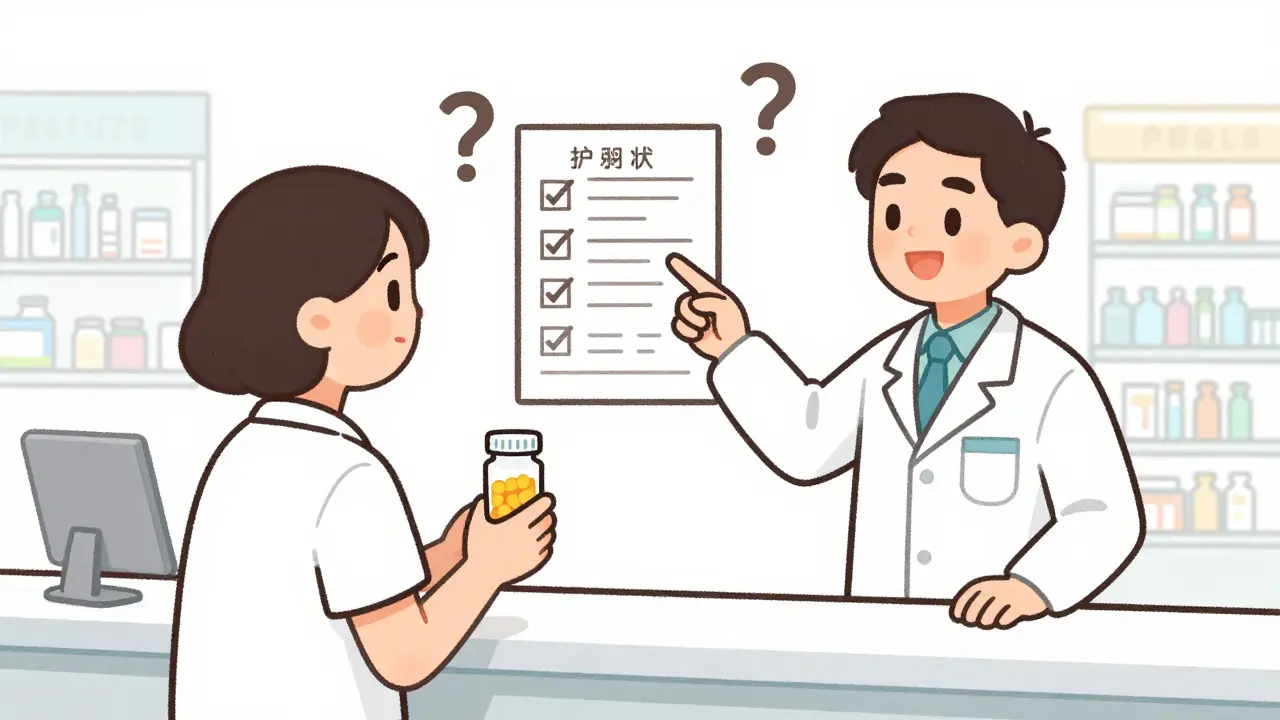
You get your prescription filled, grab the bag, and head out. But have you ever stopped to think what you’re actually taking - and why? Most people assume the doctor explained everything, and the pharmacist just hands over the pills. That’s not enough. Pharmacists are trained medication experts, and they’re often more accessible than your doctor. In fact, 94% of Americans live within five miles of a community pharmacy. These professionals see hundreds of prescriptions every day, and they spot problems others miss - like dangerous drug interactions, confusing instructions, or cheaper alternatives you didn’t know existed.
Medication errors send over 1.3 million people to the emergency room each year in the U.S. Many of those errors happen because patients don’t understand what they’re taking. A pharmacist can prevent that. Studies show that when patients ask the right questions, hospital visits drop by 33%, and medication mistakes fall by 65%. You don’t need to be a medical expert. You just need to ask.
What Is This Medicine For?
It sounds simple, but 30% of medication errors happen because patients don’t know why they’re taking a drug. You might get a pill for high blood pressure, but if you think it’s for your headaches, you’ll stop taking it when the headache goes away. That’s dangerous. Always ask: What is this medication for, and how will it help me?
Don’t settle for vague answers like “it’s for your condition.” Ask for specifics: Is it lowering your cholesterol? Reducing inflammation? Preventing blood clots? Knowing the purpose helps you recognize if the medicine is working - or if something’s wrong. If your doctor prescribed it for anxiety but you’re taking it for sleep, your pharmacist needs to know. They can flag mismatches or unintended effects.
How and When Should I Take It?
Timing matters. Some pills work best on an empty stomach. Others need food to avoid nausea. Some must be taken at the same time every day. A 2022 study found that 45% of patients get dosing wrong - and that leads to treatment failure or side effects.
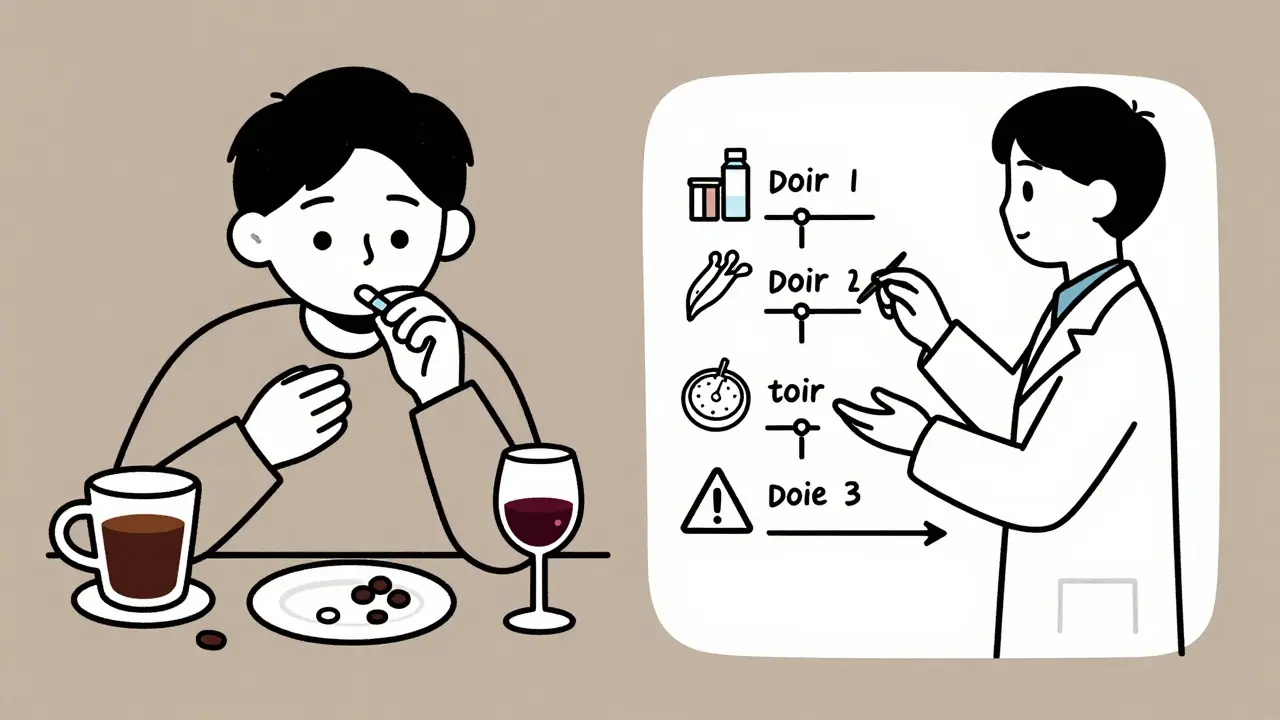
Ask: Should I take this with or without food? What time of day is best? Can I take it with my morning coffee or evening glass of wine?
Also, find out if you need to avoid certain activities. Some blood pressure meds cause dizziness. Antibiotics can make you sun-sensitive. Sleeping pills shouldn’t be taken if you’re planning to drive. Your pharmacist knows the fine print. They’ll tell you what to avoid - not just what to take.
What Are the Side Effects - And When Should I Worry?
All medications have side effects. But not all are equal. Some are mild - dry mouth, upset stomach. Others are serious - chest pain, swelling, trouble breathing.
Ask: What are the most common side effects? Which ones mean I need to call my doctor right away? How can I manage the ones I can expect?
For example, if you’re on a statin for cholesterol, muscle pain is common. But if it’s severe or accompanied by dark urine, that’s a red flag. Your pharmacist can tell you what’s normal and what’s not. They’ve seen it before. And if you’re taking a new drug in the summer, ask about sun sensitivity - some medications make your skin burn faster than usual.
Could This Interact With Anything Else I’m Taking?
You’re not just taking one pill. You’ve got blood pressure meds, a daily vitamin, fish oil, turmeric capsules, and maybe that herbal sleep aid you bought online. All of it can interact.
Ask: Does this interact with my other medications, supplements, or foods?
The FDA says 15% of hospital admissions are due to drug interactions that could’ve been avoided. A Reddit user shared how their pharmacist caught a deadly combo: their blood pressure medicine and hawthorn berry supplement. Their doctor didn’t know about the supplement. The pharmacist did. Another case involved tramadol and St. John’s Wort - a mix that triggered serotonin syndrome, a life-threatening condition. Neither the patient nor the doctor realized the danger. Your pharmacist has access to drug interaction databases that update in real time. They’ll tell you if your tea, your protein shake, or your CBD oil could cause trouble.
What If I Miss a Dose?
Life happens. You forget. You’re traveling. You run out. What then?
Ask: What should I do if I miss a dose? Can I double up later? Should I skip it entirely?
Some meds, like antibiotics, need strict timing. Others, like blood pressure pills, are more forgiving. Taking two pills at once can be dangerous. Skipping one might make the treatment useless. Your pharmacist will give you a clear, safe plan. They can also suggest tools to help: pill organizers, phone alarms, or even text reminders. Non-adherence costs the U.S. healthcare system $300 billion a year - and most of it is preventable.
Is There a Cheaper Option?
Brand-name drugs can cost 80-85% more than generics - and they work exactly the same. The FDA requires generics to match brand drugs in strength, safety, and effectiveness. But many patients don’t know that.
Ask: Is there a generic version available? Are there cost-saving programs or coupons? Can I switch to a 90-day supply to save money?
Pharmacists know about manufacturer discounts, pharmacy loyalty programs, and mail-order options. They can also check if your insurance has a preferred alternative. One patient saved $200 a month just by switching from a brand-name acid reducer to its generic version - a change their doctor never mentioned.
When Will I Know If It’s Working?
Some meds work fast. Others take weeks. If you don’t know what to expect, you might think the drug isn’t working - and quit too soon.
Ask: When should I start noticing improvement? Will I need blood tests or other monitoring? How will we know if this is helping?
For example, antidepressants often take 4-6 weeks to show effects. Blood thinners require regular lab checks. Diabetes meds need blood sugar tracking. If you’re not told what to look for, you’re flying blind. Pharmacists help you set realistic expectations - and tell you when to circle back to your doctor.
Are There Other Ways to Manage This Condition?
Medication isn’t always the only option. Sometimes lifestyle changes - diet, exercise, sleep - can reduce or even replace pills.
Ask: Are there non-drug alternatives? What lifestyle changes could help? Where can I find reliable, science-backed info on this?
For high blood pressure, weight loss and reduced salt intake can make a big difference. For mild arthritis, physical therapy might work better than painkillers. Pharmacists often have brochures, trusted websites, or even referrals to nutritionists or wellness programs. They’re not pushing drugs - they’re pushing better health.
How to Get the Most Out of Your Pharmacy Visit
Most pharmacy consultations last less than three minutes. You won’t get time to ask everything unless you prepare.
Bring a list of everything you take: prescription drugs, over-the-counter meds, vitamins, herbs, supplements. Use the FDA’s free My Medicine Record form. It’s simple - just write down names, doses, and why you take them.
Use the teach-back method: After the pharmacist explains something, say, “So if I understand right, I take this with food, avoid alcohol, and call if I get a rash. Is that correct?” This simple trick boosts adherence by 40%.
Ask at least three questions. A 2023 University of Michigan study found patients who asked three or more questions had 65% fewer medication problems.
What If I Don’t Have Time or the Pharmacist Seems Rushed?
Chain pharmacies are busy. One pharmacist might fill 327 prescriptions a day. That’s not an excuse - it’s a reason to be proactive.
If you’re short on time, ask: Can I schedule a free consultation later today or tomorrow? Most pharmacies offer 10-15 minute private sessions for medication reviews. You don’t need an appointment - just ask.
Or use telepharmacy. Many rural areas now offer video consultations with pharmacists. You can get the same advice from home. And if you’re still unsure, call back. Pharmacists expect follow-up questions. They’re trained to help.
What’s Changing in Pharmacy Care?
Pharmacists aren’t just pill dispensers anymore. In 45 states, they can now prescribe certain medications - like naloxone for opioid overdoses or patches for quitting smoking. Some pharmacies offer genetic testing to see how your body processes drugs. That means your next pill might be chosen based on your DNA.
Medicare now pays pharmacists more to do full medication reviews. That means more time, better advice, and fewer errors. The FDA is rolling out standardized medication guides starting in 2025 - so the info you get will be clearer and consistent.
This isn’t just about convenience. It’s about safety. And you’re the most important part of that system.
All Comments
Ed Di Cristofaro January 31, 2026
I can't believe people still don't ask their pharmacists anything. You wouldn't buy a car without asking how the engine works, but you'll swallow a chemical cocktail and never question it? Wake up. This isn't rocket science, it's basic self-preservation.
Jamie Allan Brown February 2, 2026
I used to think pharmacists were just the people who handed out pills. Then my grandma had a bad reaction to a combo of her blood pressure med and a herbal tea she swore was 'natural' and harmless. The pharmacist caught it before she ended up in the ER. Now I ask them everything. They're the unsung heroes of healthcare.
Lisa Rodriguez February 3, 2026
I started asking questions after my doctor prescribed me a med that made me feel like a zombie. My pharmacist said 'oh yeah that's common with this one, try taking it at night' and it changed my life. Also found out my 'expensive' brand name was the same as a $4 generic. I felt dumb but also empowered. Everyone should do this.
Lilliana Lowe February 3, 2026
The notion that pharmacists are 'accessible' is misleading. In most chain pharmacies, you're lucky if you get 90 seconds of their time. The real issue is systemic underfunding and overwork. Asking questions is great, but expecting meaningful dialogue in a retail pharmacy environment is like expecting a barista to give you a PhD in coffee chemistry.
vivian papadatu February 4, 2026
I always bring my list. Always. And I say 'So if I understand right...' - it works. My pharmacist started calling me 'the one with the list' and now she saves me coupons without me even asking. Also, I found out my 'vitamin' was actually a blood thinner. I almost had a stroke. Don't be lazy. Write it down. 📝
Melissa Melville February 5, 2026
I asked my pharmacist if I could take my anxiety pill with wine. She looked at me like I’d just asked if I could juggle chainsaws. Said 'honey, if you’re gonna drink, just drink.' So now I just drink. Works better than the pill anyway.
Deep Rank February 6, 2026
You think this is new? My aunt died from a drug interaction in 2008 and nobody cared. Everyone thinks meds are safe because they're 'prescribed' but doctors are just as clueless as patients. I've been screaming about this for years and nobody listens. Now you're all shocked? This is the same system that let Big Pharma poison communities with opioids. You're late to the party and still don't get it.
Naomi Walsh February 7, 2026
The article is cute but naive. Pharmacists in the U.S. are legally prohibited from altering prescriptions - even if they spot a fatal interaction. They can 'advise' but not act. That's why we need pharmacist prescribing authority nationwide, not just 45 states. And please stop romanticizing retail pharmacists - most are overworked, underpaid, and legally constrained. This isn't empowerment, it's a Band-Aid on a hemorrhage.
Naresh L February 7, 2026
It's interesting how we've outsourced our health literacy to strangers. We trust pharmacists more than our own bodies or intuition. But what if the system fails? What if the pharmacist is distracted, or misinformed, or just having a bad day? The real solution isn't more questions - it's rebuilding our personal understanding of medicine. Knowledge shouldn't be a service you buy at a counter.
June Richards February 7, 2026
I asked about a cheaper option and the pharmacist gave me a coupon for $0.50 off. Wow. Groundbreaking. Meanwhile my insurance raised my copay by $40. This whole 'ask your pharmacist' thing is just corporate PR to make us feel good while they keep raking in cash. 🙄
Lu Gao February 9, 2026
Actually, the FDA doesn't require generics to be 'exactly' the same - they allow up to 20% variability in bioavailability. So no, they're not always identical. And some people notice the difference. You're not being paranoid - you're being scientifically literate. This article oversimplifies a complex issue.
Bryan Coleman February 9, 2026
My pharmacist once told me my blood pressure med was causing my leg cramps. I didn't even know that was possible. He gave me a magnesium tip and now I sleep better. Just go in, be polite, ask one thing - you don't need a checklist. It's not that hard.
Sami Sahil February 9, 2026
Bro if you're not asking your pharmacist questions you're basically letting strangers decide what goes in your body. I got my kid on ADHD meds and asked about side effects - turned out the doc prescribed the wrong one. Pharmacist caught it. Saved us months of meltdowns. Don't be scared. Just ask. You got this 💪
franklin hillary February 9, 2026
We treat medicine like magic beans. Pop a pill and hope for the best. But your body is an ecosystem, not a vending machine. Pharmacists aren't just safety nets - they're translators between science and human life. The real tragedy isn't that people don't ask questions - it's that we've forgotten how to listen to our own bodies. The pill is a tool, not a solution. The real work - diet, sleep, stress, movement - happens outside the pharmacy. But hey, at least ask about the interaction with your coffee. Baby steps.