Itching that won’t quit. A rash that spreads despite scrubbing. Tiny bugs crawling where you can’t see them. If you’ve ever dealt with scabies or lice, you know how frustrating and isolating it feels. These aren’t just minor annoyances-they’re contagious parasitic infestations that can tear through families, schools, and even nursing homes if not handled right. And here’s the truth most people don’t tell you: treating scabies and lice isn’t about washing harder-it’s about treating smart.
What Exactly Are Scabies and Lice?
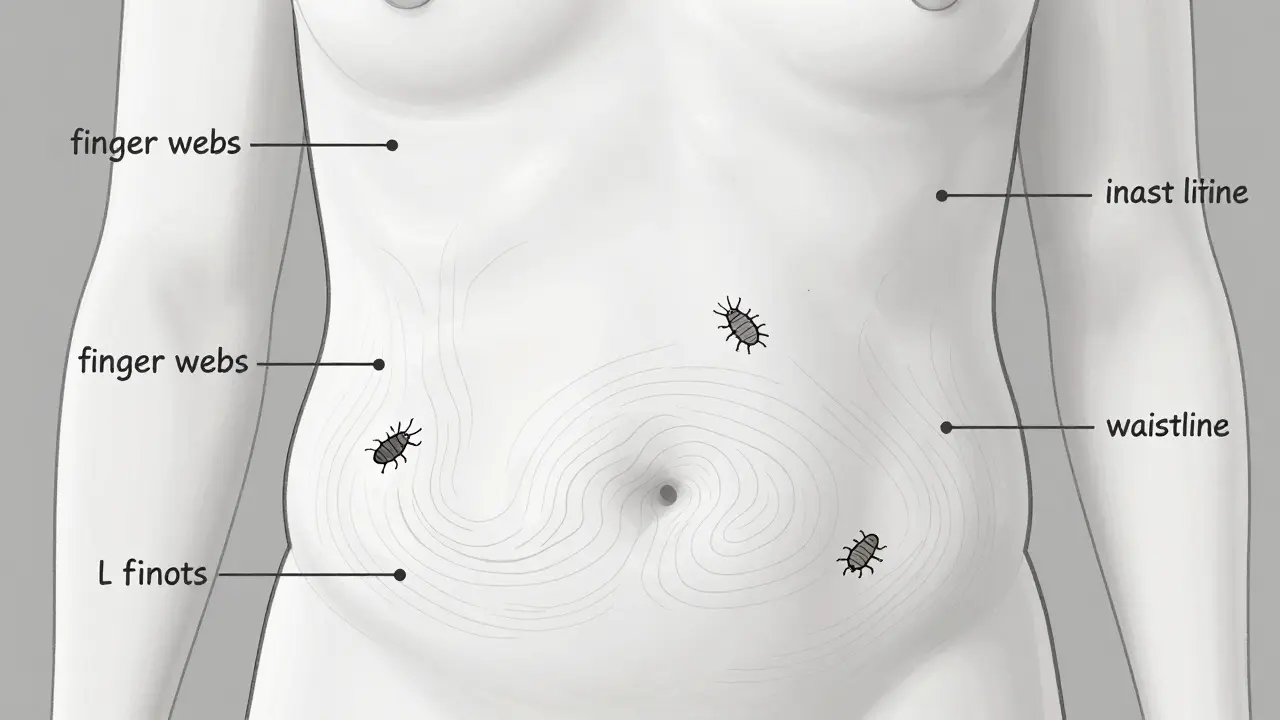
Scabies and lice are both caused by tiny parasites, but they’re not the same thing. Scabies is caused by the Sarcoptes scabiei mite, a microscopic bug that burrows into your skin to lay eggs. It doesn’t just cause itching-it leaves winding, thread-like tracks under the skin, often between fingers, on wrists, or around the waist. Left untreated, it can spread to the entire body, especially in people with weakened immune systems, leading to a severe form called crusted (or Norwegian) scabies, where millions of mites can infest a single person.
Lice, on the other hand, are insects that live on the surface of the skin or hair. There are three types:
- Head lice (Pediculus humanus capitis)-most common in kids 3 to 11, spread through direct head-to-head contact.
- Body lice (Pediculus humanus corporis)-live in clothing and only move to skin to feed; usually linked to poor hygiene or crowded living conditions.
- Pubic lice (Pthirus pubis)-also called crabs-found in coarse body hair, mostly spread through sexual contact.
Both are ancient problems. Aristotle wrote about scabies over 2,000 years ago. Today, the World Health Organization estimates 204 million people worldwide have scabies each year. In the U.S. alone, 6 to 12 million children get head lice annually. These aren’t rare-just misunderstood.
How Do You Know It’s Scabies or Lice?
Itching is the big clue, but the pattern matters. Scabies itching is worst at night and often affects areas like:
- Finger webs
- Wrists
- Elbows
- Armpits
- Waistline
- Genitals
- Buttocks
You might see tiny, raised, grayish lines on the skin-those are the mite burrows. In babies, the rash can look like pimples or blisters on the palms or soles.
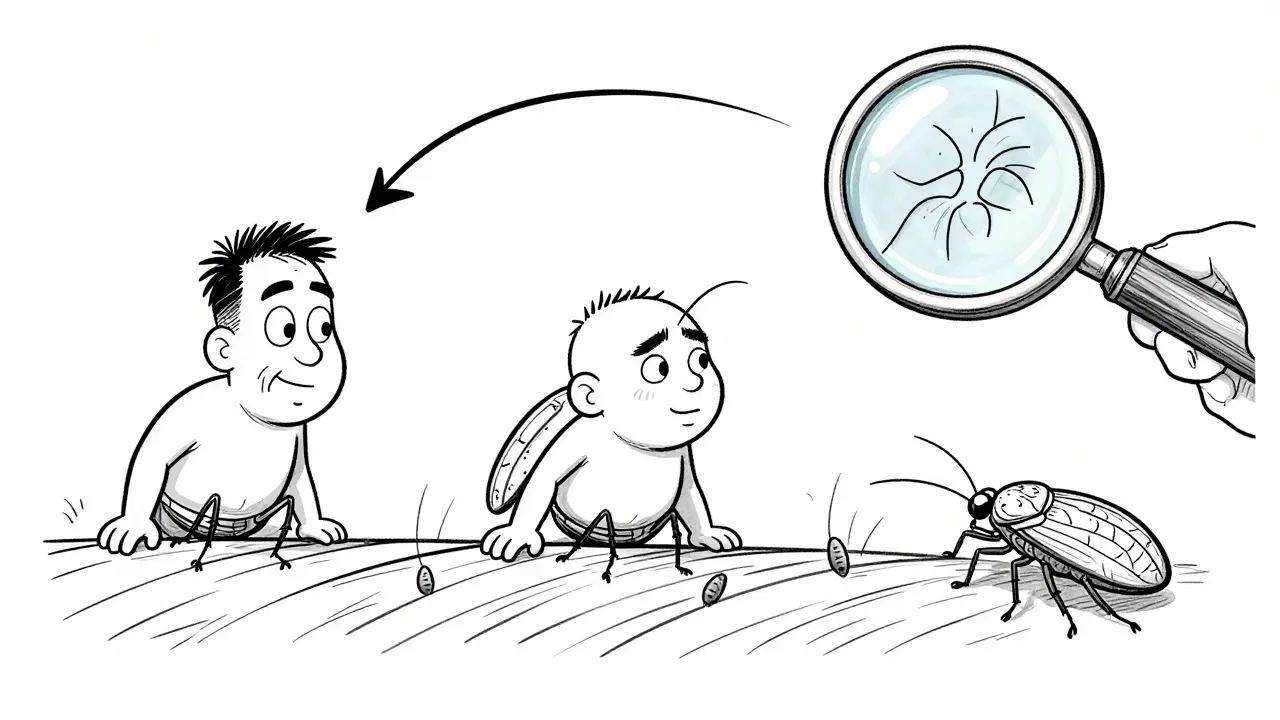
Lice don’t burrow. You’ll see live bugs crawling in the hair, especially behind the ears and at the nape of the neck. Nits (eggs) look like tiny white or yellow dots stuck firmly to hair shafts-unlike dandruff, they don’t brush off. Head lice cause scalp itching, body lice cause itchy red bumps on the torso, and pubic lice cause irritation in the groin area.
Confusing them leads to wrong treatment. Using lice shampoo for scabies? It won’t work. Applying scabies cream to head lice? It’s messy and unnecessary. Accurate diagnosis is step one.
The Gold Standard Treatments: Permethrin and Ivermectin
For scabies, two treatments dominate: permethrin cream and oral ivermectin. Both are effective, but they work differently.
Permethrin 5% cream is the most common first choice. You apply it from the neck down, covering every inch of skin-including under nails, between toes, and the genitals. Leave it on for 8 to 14 hours, then wash it off. A second application is recommended one week later. Why? Because permethrin kills adult mites and nymphs, but not eggs. The eggs hatch in about 3 to 4 days, so you need to kill the new babies before they mature.
Studies show permethrin cures 92.5% of cases after two applications. But it’s messy. People often miss spots. A 2022 audit from a California dermatology clinic found 12.3% of treatment failures happened because people didn’t cover all areas-especially under fingernails or between fingers.
Oral ivermectin is a pill taken with food to help absorption. Dose is based on weight: 200 micrograms per kilogram. One dose, then another 7 to 14 days later. It’s not FDA-approved for scabies, but doctors use it all the time because it’s easier than applying cream to every inch of skin. A 2011 study in Iran found a single dose cured 85.9% of patients at two weeks. After the second dose, nearly everyone was clear.
For crusted scabies, doctors combine both: permethrin cream plus oral ivermectin. One dose isn’t enough. You might need multiple rounds, especially if someone has a weakened immune system.
For lice, permethrin lotion (1%) is still common. But resistance is rising. In some U.S. regions, up to 30% of head lice are now resistant to permethrin. That’s why newer options like spinosad liquid (0.9%) are gaining ground. Approved in 2019, it’s safe for kids as young as 4, kills both lice and eggs in one application, and doesn’t require combing. Ivermectin pills are also used off-label for stubborn lice cases, especially in schools or households where one treatment failed.
Why Treatment Often Fails
Most people think treatment fails because the medicine doesn’t work. But here’s what really happens:
- Not treating everyone-If one person in the house has scabies and others don’t get treated, the mites come right back. Same with lice. You can’t just treat the child with lice and ignore the parents.
- Washing off too early-Permethrin needs 8 full hours on the skin. Many people shower after 30 minutes because it’s uncomfortable. That’s why 7.8% of cases fail-premature washing.
- Missing the eggs-No current treatment kills all eggs. That’s why two rounds are non-negotiable. Skipping the second dose? You’re inviting reinfestation.
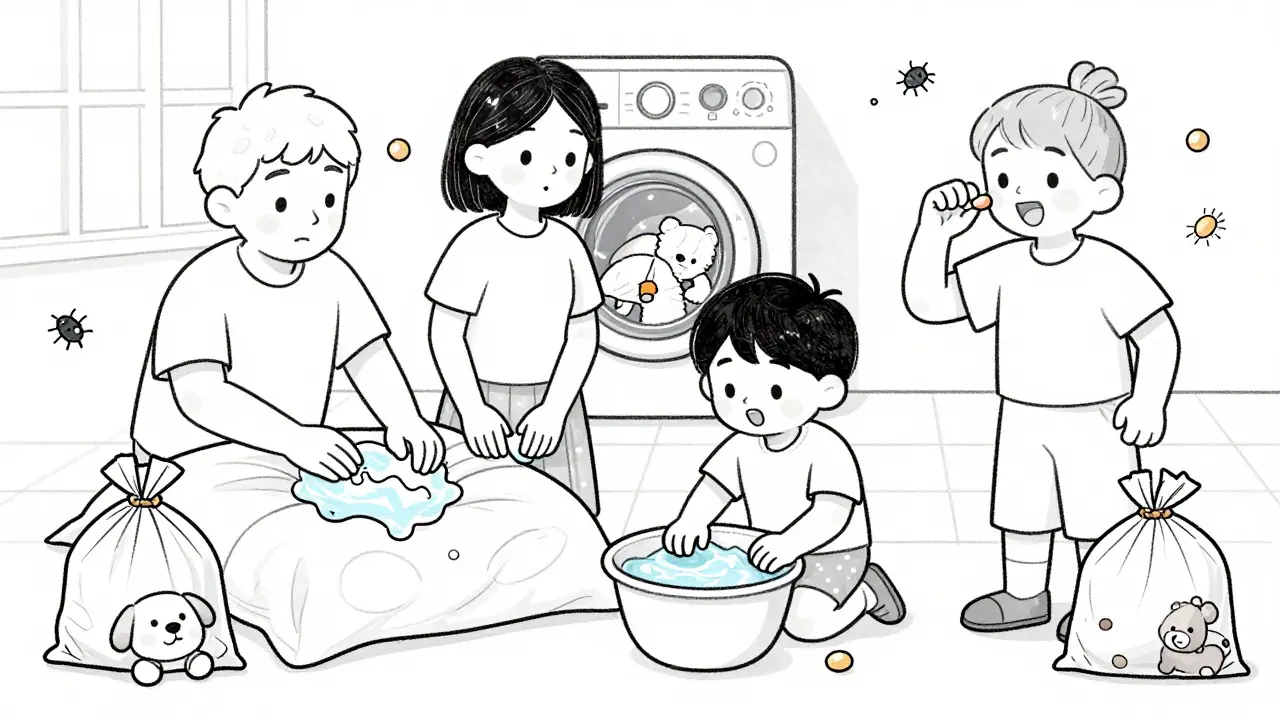
- Not cleaning the environment-Scabies mites can survive 2 to 3 days off the body. Wash bedding, towels, and clothes in hot water and dry on high heat. Seal stuffed animals or items you can’t wash in plastic bags for 72 hours. For lice, vacuum furniture and car seats. Combs and brushes should be soaked in hot water (over 130°F) for 5 to 10 minutes.
And don’t forget: itching can last weeks after treatment. That’s your skin reacting to dead mites and their waste. It doesn’t mean the treatment failed. You don’t need to re-treat unless you see live bugs or new burrows.
What About Other Treatments?
Some people try home remedies: tea tree oil, neem, vinegar, mayonnaise. None of these have solid proof they work. Some may soothe itching, but they won’t kill mites or lice.
Lindane lotion (1%) used to be common, but it’s been pulled from most U.S. markets because of neurotoxicity risks. It’s not recommended anymore-not even as a last resort.
Topical ivermectin (1% cream) is now available and works just as well as permethrin. One study found 92.5% cure rates after two applications. It’s easier than the cream for some people, especially those with sensitive skin. But it’s more expensive and not always covered by insurance.
The biggest breakthrough? Combination therapy. In the Solomon Islands, health workers gave both azithromycin (for trachoma) and ivermectin (for scabies) to over 26,000 people in one go. They cut scabies rates by 95-100%. This isn’t just about treating one bug-it’s about tackling multiple neglected diseases at once. It’s a model other countries are starting to copy.
Who Needs Special Care?
Children under 15 kg (about 33 pounds) and pregnant women shouldn’t take oral ivermectin. The safety data isn’t there yet. For them, permethrin is the only safe option.
Older adults and people with HIV, cancer, or organ transplants are at risk for crusted scabies. Their immune systems can’t fight off the mites, so infestations explode. These cases need aggressive treatment: multiple doses of ivermectin, daily permethrin applications, and sometimes hospitalization.
And don’t overlook nursing homes. A 2022 study in a U.S. nursing home showed that giving two doses of oral ivermectin to all 147 residents-symptomatic or not-achieved a 98.7% eradication rate. No outbreaks. No reinfestations. Just smart, mass treatment.
What’s Next for Treatment?
Researchers are working on drugs that kill mite eggs. Right now, all treatments leave eggs alive. Three new compounds are in Phase II trials as of late 2023. If they work, we could one day cure scabies with a single dose.
Also, the global market for scabies treatments is growing fast-projected to hit $450 million by 2030. Why? Because resistance is rising, and mass programs are expanding. The WHO aims to cut global scabies cases by 60-75% by 2030 using ivermectin campaigns. But it won’t happen without better compliance, better access, and better education.
For now, the best approach is simple: identify it early, treat everyone at once, follow the instructions exactly, and clean the environment. No magic pills. No home remedies. Just science, precision, and patience.
Can scabies be spread by sharing clothes or bedding?
Yes. Scabies mites can survive for up to 72 hours off the human body, especially in warm, humid conditions. Sharing clothing, towels, or bedding with an infected person is a common way the mites spread. That’s why everyone in the household must be treated at the same time-and why you need to wash all linens in hot water (at least 130°F) and dry them on high heat.
Is it possible to have scabies and not itch?
Rarely, but yes. People with very early infestations (under 4 weeks) may not itch yet because their body hasn’t developed an allergic reaction to the mites. Also, those with weakened immune systems-like older adults or people on immunosuppressants-may not itch even with heavy infestations. That’s why close contacts of infected people should be treated even if they feel fine.
Why do I still itch after treatment?
Itching can last for weeks after the mites are dead. Your skin is still reacting to leftover mite parts and waste. This doesn’t mean the treatment failed. If you don’t see new burrows or live bugs after 4 weeks, you’re cured. Over-the-counter antihistamines or hydrocortisone cream can help with the itch. Avoid re-treating unless you have clear signs of live mites.
Can lice jump or fly from one person to another?
No. Lice can’t jump or fly. They crawl. Head lice spread mainly through direct head-to-head contact, like hugging, taking selfies, or sharing pillows. Body lice move from clothing to skin. Pubic lice spread through intimate contact. You can’t get lice from sitting on a toilet seat or from pets-lice only live on humans.
Is ivermectin safe for children?
Oral ivermectin is not approved for children under 15 kg (about 33 pounds) or under 5 years old because safety data is limited. For younger children, permethrin cream is the safest option. Topical ivermectin cream (1%) is approved for use in children as young as 6 months for scabies. Always check with a doctor before giving any medication to a child.
Do I need to treat my pets if I have scabies?
No. The scabies mite that infects humans (Sarcoptes scabiei var. hominis) can’t live or reproduce on animals. Pets can get their own kind of mange, but it’s a different mite. If your pet has itching or hair loss, it’s not from your scabies. You don’t need to treat your dog or cat-but you should still clean your home thoroughly to prevent reinfestation from mites that survived on bedding or furniture.
All Comments
Khaya Street February 24, 2026
Scabies and lice are such a hassle, but honestly, most people treat them like they’re just bad hygiene. I’ve seen families go through this twice because they didn’t treat everyone at once. It’s not rocket science - wash everything, treat everyone, wait a week, treat again. Simple. Yet so many skip the second round. Lazy. And no, your cat isn’t the culprit. Stop blaming pets.
Christina VanOsdol February 24, 2026
OMG YES 🙌 I just went through this with my 7-year-old 😭 Permethrin is a NIGHTMARE to apply - like, who has time to smear cream under every fingernail? And then the itching lasted 3 WEEKS. I thought I had to re-treat. Turns out? Just dead mite drama. I’m so glad this post said that. Also, spinosad? Game changer. No combing. No tears. 🥹
Lisandra Lautert February 24, 2026
Oral ivermectin is not FDA-approved for scabies. That’s not a suggestion. It’s an off-label use. Don’t treat this like a wellness trend. There are risks. Always consult a physician.
Cory L February 24, 2026
Bro. I used to think scabies was just ‘bad luck.’ Then I lived in a dorm with 12 guys and one kid had it. We all got treated. No drama. No shame. Just: wash clothes, spray the mattress, do the cream, wait. It’s not magic - it’s logistics. And yeah, the itching lingers like a ghost. But if you don’t see new bumps after 4 weeks? You’re clean. No need to panic. Chill. You got this.
Bhaskar Anand February 25, 2026
Western medicine overcomplicates everything. In India, we’ve used neem oil for centuries - it works. Why are we relying on expensive American drugs? Ivermectin? It’s a veterinary drug repurposed. Why not go back to what worked for millennia? This is corporate medical manipulation. We need to reclaim traditional knowledge. Simple. Natural. Effective.
Stephen Archbold February 27, 2026
Just wanna say - this post was so helpful. I’ve been dealing with lice in my classroom and honestly? I thought head lice could jump. Nope. They crawl. And I didn’t know about the 72-hour survival off the body. We vacuumed EVERYTHING. Sealed stuffed animals. Soaked combs. And treated everyone - even the kids who didn’t show symptoms. It worked. No outbreaks since. Thank you for the clarity.
kirti juneja February 28, 2026
So glad someone finally said it - treating the whole household is key. My cousin’s family ignored the dad and the teen, thought only the toddler had it. Two months later? Everyone itched again. We’re not talking about ‘cleanliness’ here - we’re talking about biology. Mites don’t care if you’re rich or poor. They just want to survive. And so do we. Treat together. Clean together. No exceptions.
Haley Gumm March 1, 2026
Spinosad is literally the hero we didn’t know we needed. One application. No combing. Kids love it because it smells like coconut. And it kills eggs? YES. Why isn’t this the first-line treatment everywhere? Permethrin is so last decade. Also - itching for weeks? Normal. Stop re-treating. You’re not broken. Your skin is just mad.
John Smith March 1, 2026
Wow. A whole article about scabies and lice and zero mention of glyphosate or 5G. Typical. You’re being manipulated by Big Pharma. The real cause? Toxins in your water. The solution? Detox with lemon water and infrared saunas. Also - your cat is probably infected. They’re just hiding it.
Shalini Gautam March 3, 2026
India has the best natural remedies. Neem, turmeric, coconut oil - all proven. Why are we importing expensive chemicals? This is colonial medicine. We had solutions before the West even knew what scabies was. Let’s stop being brainwashed by pharmaceutical ads.
Gwen Vincent March 3, 2026
I really appreciate how this breaks down the differences between scabies and lice. I used to mix them up. And the part about itching lasting weeks? That’s the piece of info I wish I’d had. I was so scared I’d failed treatment. Turns out? My skin just needed time. Thank you for normalizing that.
Holley T March 5, 2026
Look, I get that permethrin and ivermectin are standard, but let’s be real - the WHO’s 2030 target is unrealistic. Why? Because compliance is trash. People don’t wash bedding. They skip the second dose. They think ‘it’s just lice, it’ll go away.’ Meanwhile, schools are still lice factories. And don’t even get me started on how nursing homes handle this. It’s a disaster. We need mandatory treatment protocols. Not suggestions. Laws. Penalties. This isn’t a suggestion box. It’s a public health emergency.
Ashley Johnson March 5, 2026
Wait - so oral ivermectin is used for scabies? But I read online that it’s banned in the EU because it causes brain damage. And what about the CDC? They say it’s only for parasites - not scabies. Isn’t this dangerous? Are we being lied to? Also, I think the government is using this to track people through their prescriptions. Why else would they push this so hard? And what about the mites… are they even real? Or is this all a scam to sell cream?