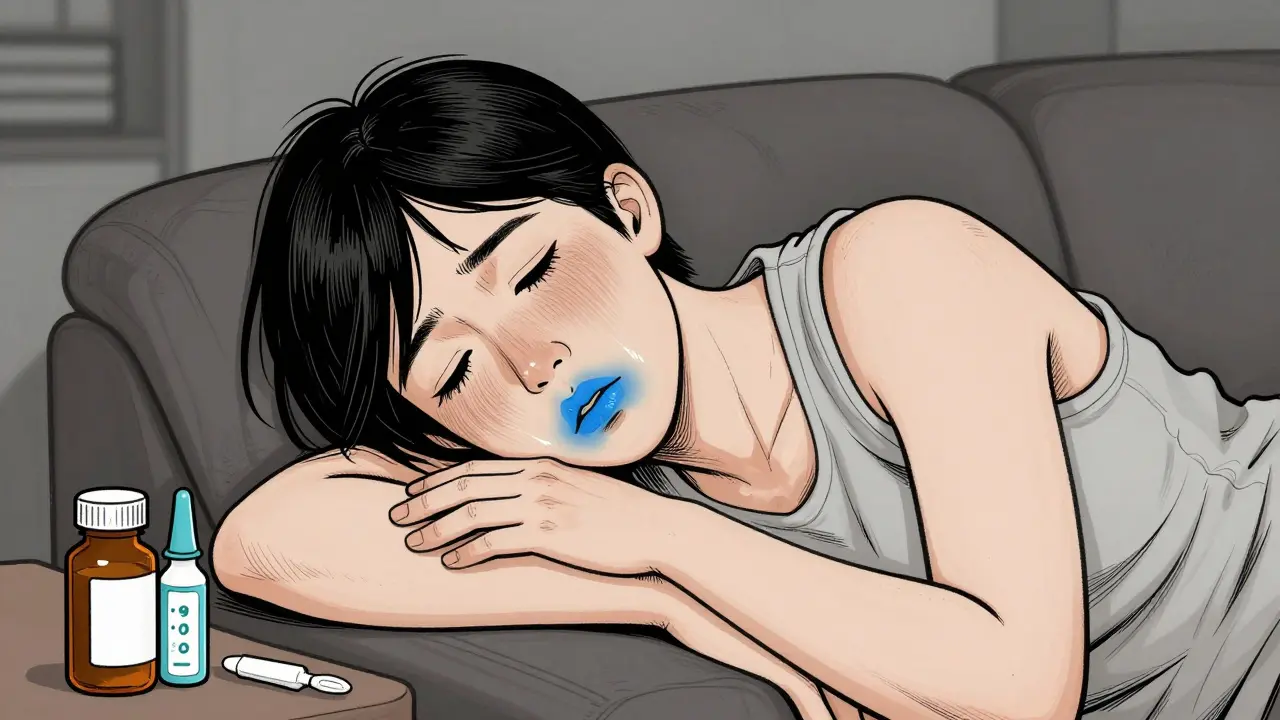
Knowing the signs of a medication overdose could save a life-yours or someone else’s. It’s not just about street drugs or illegal substances. Overdoses happen every day with prescription painkillers, sleep aids, anxiety meds, even common pain relievers like acetaminophen or ibuprofen when taken in too large a dose. And with synthetic opioids like fentanyl hiding in counterfeit pills, you don’t even need to know you’re taking something dangerous to be at risk.
What Happens When You Overdose?
An overdose isn’t just taking too much of a drug. It’s when your body can’t handle the amount, and your vital systems start shutting down. Your brain stops telling your lungs to breathe. Your heart slows or skips beats. Your body temperature spikes or crashes. The damage happens fast-sometimes in minutes. If you wait too long to act, brain damage from lack of oxygen can become permanent. Or worse, you won’t wake up.Common Signs Across All Types of Overdose
No matter what drug is involved, some warning signs show up again and again. These aren’t subtle. They’re urgent.- Unresponsive but not asleep-you can shake them, shout their name, rub their sternum, and they don’t react. But their eyes might be open. This is different from being passed out.
- Shallow, slow, or irregular breathing-less than 12 breaths per minute, or long pauses between breaths (10 seconds or more). You might hear gurgling or snoring sounds-this is the body struggling to breathe.
- Blue or gray lips and fingernails-this is cyanosis, meaning your blood isn’t carrying enough oxygen. It’s a late but critical sign.
- Pale, cold, clammy skin-your body is going into shock.
- Vomiting while unconscious-this is extremely dangerous. You can choke on your own vomit.
- Seizures-especially with stimulants like cocaine or meth, but can happen with other drugs too.
If you see even one or two of these, don’t wait. Call emergency services right away.
Opioid Overdose: The Silent Killer
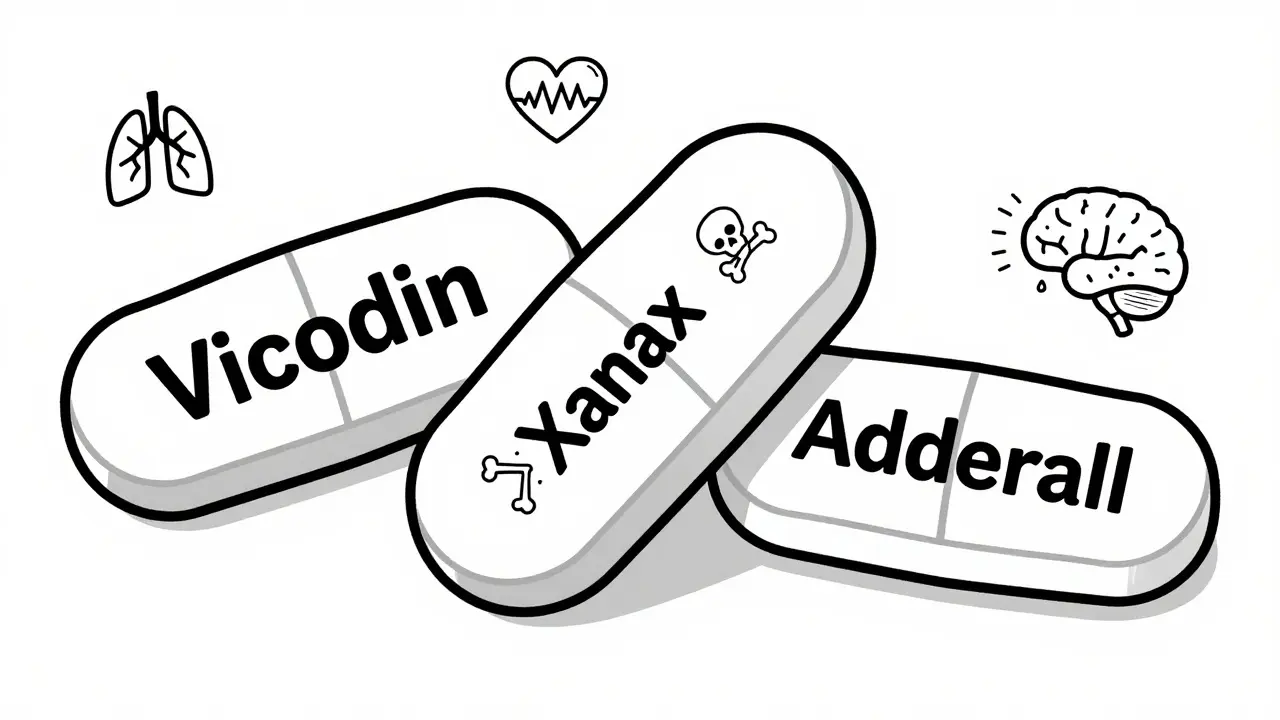
Opioids include prescription painkillers like oxycodone and hydrocodone, heroin, and illegally made fentanyl. Fentanyl is 50 to 100 times stronger than morphine. It’s in fake pills that look like Xanax, Adderall, or Vicodin. You don’t need to be a drug user to overdose-many people take these pills thinking they’re safe.The classic signs of an opioid overdose are called the “triad”:
- Pinpoint pupils-the black part of the eye shrinks to the size of a pinhead.
- Unconsciousness-no response to pain or loud noise.
- Slow or stopped breathing-less than 12 breaths a minute, or none at all.
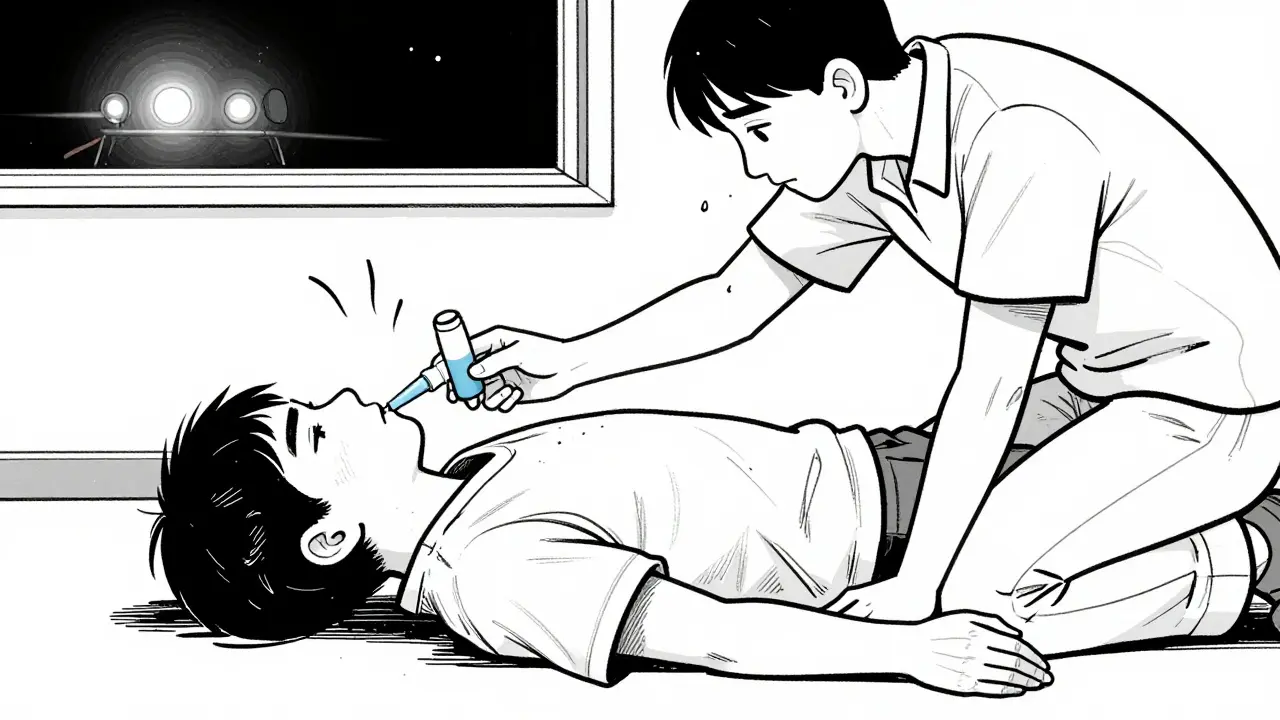
People often think they’re just “sleeping it off.” That’s deadly. In 91% of fatal opioid overdoses, breathing stops completely. The brain can’t survive without oxygen for more than a few minutes. If you suspect an opioid overdose, give naloxone if you have it. Naloxone (Narcan) reverses the effects in minutes. It’s safe-even if the person didn’t take opioids, it won’t hurt them. Give one dose in the nose. If there’s no response in 2-3 minutes, give another. Keep giving doses until help arrives.
Stimulant Overdose: When Your Body Overheats
Cocaine, methamphetamine, Adderall, Ritalin-these drugs speed everything up. Your heart races. Your body temperature soars. You might feel paranoid, aggressive, or hallucinate.Signs of a stimulant overdose include:
- Extreme agitation or violent behavior
- Body temperature above 104°F (40°C)-skin feels hot to the touch
- Severe chest pain or irregular heartbeat
- High blood pressure-systolic over 180 mmHg
- Seizures-happens in nearly 4 out of 10 cocaine overdoses
Don’t try to cool someone down with ice baths. That can cause dangerous drops in body temperature. Instead, move them to a cool place, loosen clothing, and get emergency help. Cooling should be done slowly by medical staff.
Depressant Overdose: Alcohol and Benzodiazepines
Alcohol, Xanax, Valium, sleeping pills-these slow your nervous system. An overdose here looks like extreme drowsiness, confusion, slurred speech, and trouble standing. But the real danger? Vomiting while unconscious.Alcohol poisoning alone causes thousands of deaths every year. In 58% of fatal cases, people choked on their own vomit because they were passed out. Signs to watch for:
- Unconsciousness
- Vomiting
- Slow breathing (under 8 breaths per minute)
- Cold, clammy, bluish skin
- Low body temperature
Never leave someone alone. Turn them on their side-this keeps their airway open. Don’t give them coffee or put them in a cold shower. That won’t help. Only medical care will.
Polysubstance Overdose: The Hidden Danger
Most overdoses now involve more than one drug. People mix alcohol with opioids. They take Xanax with painkillers. Or they don’t know their pill contains fentanyl and cocaine. This is called a polysubstance overdose. It’s harder to recognize because symptoms overlap and contradict.For example, someone might have slow breathing (opioid) but a racing heart (stimulant). Or their skin is cold (opioid) but their body is burning hot (stimulant). These mixed signals make it harder to know what’s happening. But the rule stays the same: if someone is unresponsive, breathing poorly, or turning blue-call 911. Don’t try to guess the drug. Just act.
What NOT to Do in an Overdose
There are a lot of myths about overdoses. Don’t fall for them.- Don’t let them “sleep it off.”-This is the #1 reason people die. They’re not sleeping-they’re dying.
- Don’t give them a cold shower or ice bath.-This can cause shock or heart failure.
- Don’t try to make them vomit.-They could choke.
- Don’t inject them with anything.-Salt water, milk, or other home remedies won’t help. They can make things worse.
- Don’t wait to call for help.-Every minute counts. Call 911 immediately.
How to Help: The Right Steps
If you think someone is overdosing:- Call 911 right away.-Say “I think someone is overdosing.” Don’t hesitate because you’re scared of getting in trouble. Good Samaritan laws protect people who call for help in most states.
- Check breathing.-If they’re not breathing or breathing very slowly, start rescue breathing if you know how. Tilt the head back, pinch the nose, give one breath every 5 seconds.
- Give naloxone if you have it.-Narcan nasal spray is now available over the counter at pharmacies without a prescription. It’s easy to use. Spray once into one nostril. Wait 2-3 minutes. If no response, give a second dose in the other nostril.
- Turn them on their side.-This is called the recovery position. It keeps their airway open if they vomit.
- Stay with them.-Even if they wake up, they can relapse into overdose. Medical help is still needed.
Prevention: What You Can Do Now
You don’t have to wait for an emergency to act.- Keep naloxone at home.-If you or someone you know takes opioids, even as prescribed, keep Narcan on hand. It’s affordable, safe, and easy to use.
- Use fentanyl test strips.-They cost less than a dollar each. Dip them in a solution of crushed pills or dissolved powder. If it shows fentanyl, don’t use it. These strips detected fentanyl in 67% of fake pills tested in 2022.
- Never use alone.-If you’re using any drug, even recreationally, have someone with you who knows what to do.
- Store medications safely.-Lock up pills. Throw away expired or unused meds. Many overdoses happen when teens or older adults find leftover prescriptions.
- Know the signs of addiction.-If someone is taking more than prescribed, hiding use, or losing interest in life, they may need help. Call the SAMHSA National Helpline at 1-800-662-4357. It’s free, confidential, and available 24/7.
Final Thought: Acting Fast Saves Lives
Medication overdose isn’t rare. It’s a public health crisis. In 2022, over 107,000 people in the U.S. died from drug overdoses-mostly from synthetic opioids. But here’s the truth: most of these deaths are preventable. You don’t need to be a doctor. You don’t need special training. You just need to know the signs and act fast.If you see someone who’s unresponsive, breathing poorly, or turning blue-don’t wait. Don’t hope they’ll wake up. Call 911. Give naloxone if you have it. Turn them on their side. Stay with them. Your quick action could be the difference between life and death.
Can you overdose on over-the-counter medicine?
Yes. Even common drugs like acetaminophen (Tylenol) can cause liver failure if you take more than 4,000 mg in a day. Ibuprofen can cause stomach bleeding or kidney damage in high doses. Cold medicines with dextromethorphan can cause hallucinations, seizures, or heart problems if misused. Always follow the label. Never mix them with alcohol or other drugs.
Is naloxone safe to use if I’m not sure it’s an opioid overdose?
Yes. Naloxone only works on opioids. If the person didn’t take opioids, it won’t hurt them. It won’t wake someone up from alcohol, stimulants, or sleeping pills-but it also won’t cause harm. If someone is unresponsive and breathing poorly, give naloxone. It’s better to use it and not need it than to not use it and lose someone.
How long does naloxone last, and can the overdose come back?
Naloxone lasts 30 to 90 minutes. But many opioids, especially fentanyl, stay in the body much longer. So the person can slip back into overdose after naloxone wears off. That’s why you must call 911 even if they wake up. They need to be monitored in a hospital for several hours.
Where can I get naloxone for free?
Many pharmacies sell naloxone without a prescription. In the U.S., community health centers, harm reduction programs, and some local health departments offer it for free. You can also use the Naloxone Saves app to find nearby distribution sites. Some insurance plans cover it too.
Can fentanyl be detected in a drug test?
Standard drug tests don’t screen for fentanyl. You need a specific test. That’s why fentanyl test strips are so important-they’re cheap, fast, and can detect fentanyl in pills or powder before you use it. They’re not 100% perfect, but they’re the best tool available to avoid accidental overdose.
Why are young adults at higher risk for overdose now?
Because fake pills are everywhere. Teens and young adults are buying pills online or from friends, thinking they’re getting Xanax or Adderall. But 4 in 10 of these pills contain fentanyl. Many have never used opioids before, so their tolerance is zero. A single pill can kill. This is why overdose deaths are rising fastest among people aged 18 to 35.
All Comments
Dusty Weeks December 31, 2025
bro i just took 2 tylenol and now i’m sweating 😳
Sally Denham-Vaughan January 2, 2026
this is so important. i had a friend pass out after mixing benzos and wine. we called 911 and they lived. don’t wait. just call.
Richard Thomas January 4, 2026
The tragedy isn't just the overdose-it's the systemic abandonment that leaves people reaching for pills in the first place. We treat symptoms like they're moral failures instead of symptoms of a broken system. The body doesn't lie. If it's screaming for relief, maybe the problem isn't the drug-it's the world that made the drug necessary.
Paul Ong January 6, 2026
keep naloxone in your car keep it in your backpack keep it in your moms purse if she takes pain meds
gerard najera January 7, 2026
fentanyl in fake xanax is the new normal
Stephen Gikuma January 8, 2026
this is all part of the deep state’s plan to depopulate the white working class. they flood the streets with fentanyl-laced pills then blame it on ‘personal responsibility’. wake up.
Bobby Collins January 9, 2026
they say naloxone is safe but what if it’s just a gateway to more government control? next thing you know they’ll be tracking who uses it and tagging you as a ‘high risk citizen’
Layla Anna January 10, 2026
i live in nairobi and we dont have naloxone here but we have elders who know herbal remedies... i wish more people knew about traditional healing too
Heather Josey January 11, 2026
Thank you for sharing this vital information with such clarity and compassion. It is not enough to know the signs-we must act, and we must do so without judgment. Lives depend on our courage to intervene.
Olukayode Oguntulu January 12, 2026
Ah yes, the classic Western biomedical hegemony reasserting its dominance over the messy, ineffable realities of human suffering. You offer a checklist, but where is the ontology of pain? Where is the epistemology of addiction? Naloxone is a bandage on a severed artery. We need a revolution in how we conceive of the self.
jaspreet sandhu January 13, 2026
in india we dont have this problem because people dont take pills like candy. they use ayurveda or just suffer quietly. this overreaction to drugs is a first world problem. you make everything into a crisis. stop panicking and learn discipline.
Liam George January 14, 2026
You know what they don't tell you? The FDA approved fentanyl-laced counterfeit pills in 2019 under the guise of 'pharmaceutical innovation' to reduce opioid dependency. They knew. They planned it. The test strips? A distraction. The real solution is dismantling the medical-industrial complex before it turns every pill into a bioweapon. I’ve seen the documents. They’re not hiding them-they’re publishing them in peer-reviewed journals with footnotes in Latin.