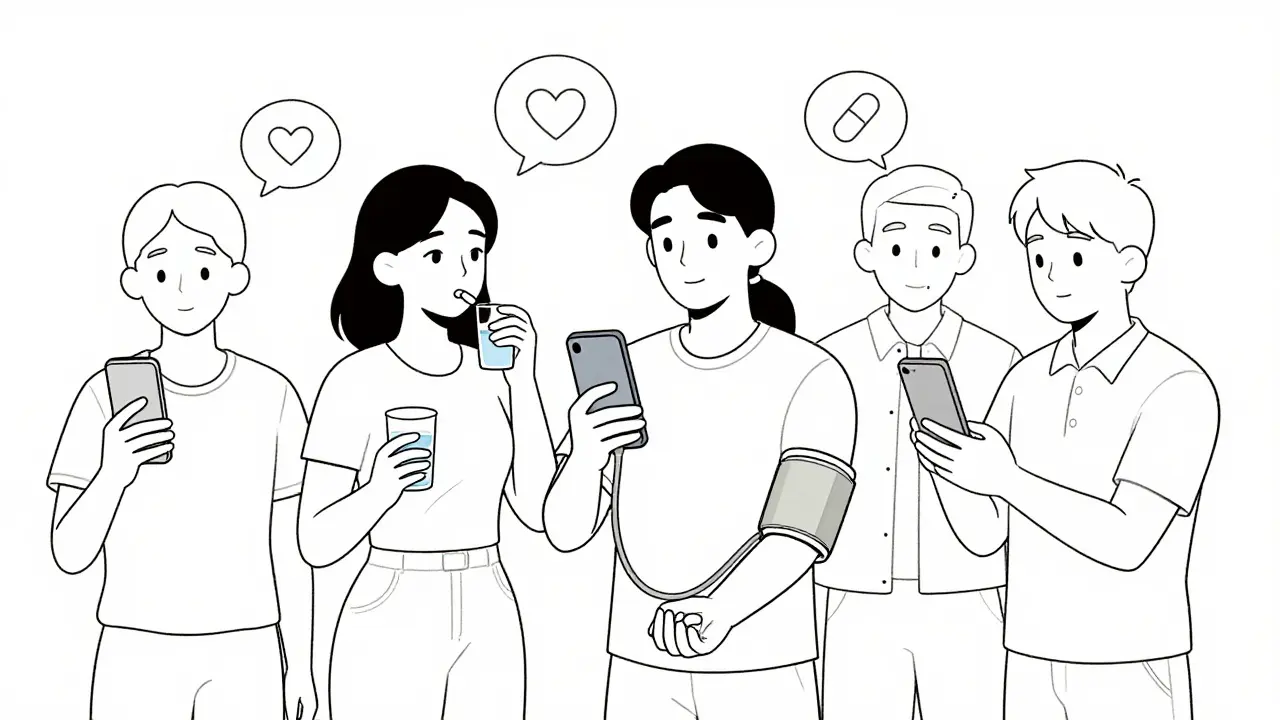
Most patients still learn about their medications from a paper leaflet tucked into a pill bottle-thin, tiny text, full of jargon, and rarely read. But what if they could watch a 60-second video on Instagram showing exactly how to take their blood pressure pill, with a real patient explaining it in plain language? Or join a private Facebook group where others on the same generic medication share tips about side effects and what works? That’s not science fiction. It’s happening right now-and it’s changing how people understand their health.
Why Social Media Is the New Patient Handbook
Generic drugs save billions every year, but many patients don’t trust them. They think, ‘If it’s cheaper, is it weaker?’ Or they forget how to take it because the instructions are too dense. Social media fixes this by turning passive reading into active learning. A 2025 study by the UK Health Security Agency found that patients who got their medication info through short videos on TikTok or Instagram were 52% more likely to take their pills correctly than those who only read printed materials.
It’s not about replacing doctors. It’s about filling the gaps between visits. Most people don’t remember what their pharmacist said after walking out the door. But a 30-second Reel showing someone swallowing a tablet with water, then checking their blood pressure an hour later? That sticks.
Which Platforms Actually Work for Patient Education?
Not every app is built for health. Here’s what’s working in 2026:
- Instagram: Best for visual learners. Pharmacies and patient groups use Stories to show daily routines, Reels to demonstrate correct dosing, and Notes to answer common questions like, ‘Can I take this with coffee?’ Schools and clinics using Instagram see 37% more engagement than on Facebook, according to Cube Creative Design’s 2025 data.
- TikTok: The surprise leader. Short videos under 90 seconds with captions are getting 4.2x more completion than longer content. A post by @MedicationMattersUK showing ‘What Your Generic Blood Pressure Pill Really Does’ got 1.8 million views in three weeks.
- Facebook Groups: Where real talk happens. Patients with chronic conditions like diabetes or hypertension form private groups to share experiences with generics. One group in Exeter, started by a retired nurse, now has over 8,000 members. They don’t just ask questions-they swap stories about which brand causes less bloating, or how to handle dizziness without calling the doctor.
- YouTube: For deep dives. A 10-minute video explaining how generics are tested for bioequivalence gets more saves and shares than any brochure. Educational channels like NHS Health Explained now average 15.7 minutes of watch time per video-up from 12.3 minutes in 2024.
- LinkedIn: For professionals. Pharmacists and GPs use it to share research, post infographics, and link to trusted patient resources. It’s not for patients-but it helps them get better info.
Most successful programs stick to 2 or 3 platforms. Trying to be everywhere? That’s how you end up with stale posts and confused followers. One NHS trust in Devon cut their content workload by half and doubled engagement by focusing only on Instagram and Facebook Groups.
Real Examples: What Works in 2026
Here’s what real organizations are doing right:
- The Exeter Pharmacy Network launched a series called ‘My Generic, My Story’-featuring patients aged 18 to 75 recording 60-second clips explaining why they switched from brand-name to generic meds. One 72-year-old woman said, ‘I used to pay £12 for my statin. Now I pay £1.50. Same pill. Same results. I just didn’t know that before.’ The videos got 42,000 views. No ads. Just real voices.
- Pharmacist-led TikTok: A community pharmacist in Plymouth started posting daily ‘Med Minute’ clips: ‘This generic doesn’t need to be taken with food. Here’s why.’ Within six months, her clinic saw a 31% drop in calls about dosing confusion.
- Diabetes UK’s Instagram Series: They partnered with patients to create Reels showing how to store insulin pens, how to recognize low blood sugar symptoms, and how to ask your pharmacist if a generic version is right for you. Engagement jumped 58%.
These aren’t polished ads. They’re messy, human, and sometimes unscripted. And that’s why they work.
The Dark Side: Misinformation and Trust Issues
Not all content is helpful. In 2025, 42% of healthcare providers reported seeing misinformation spread on social media-like claims that generics ‘don’t work as well’ or ‘contain dangerous fillers.’
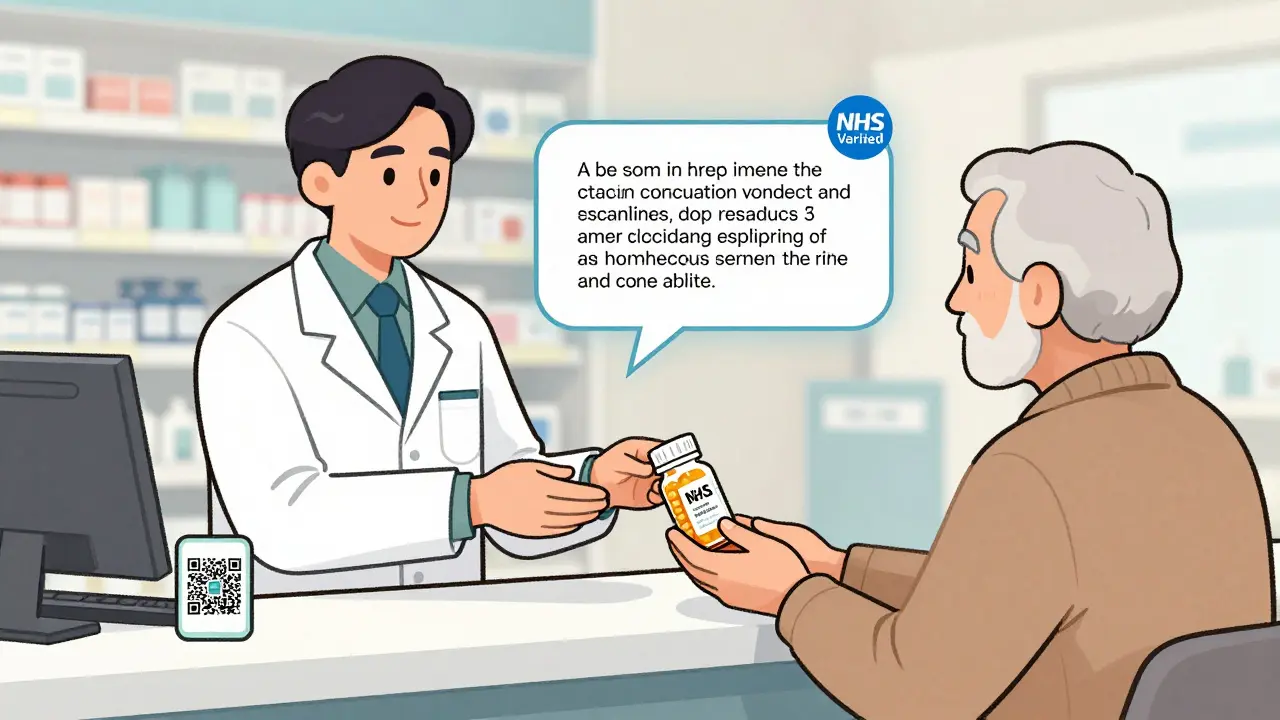
One viral TikTok claimed a generic version of metformin caused liver damage. It was false. But it got 2.1 million views before being flagged. That’s why trusted organizations now use TikTok’s new Educational Content Verification program. It lets pharmacies and NHS bodies tag their videos with a blue checkmark that says ‘Verified by NHS.’
Another problem? Overly polished content. Patients can spot a corporate video a mile away. A 2025 survey found that content perceived as ‘too professional’ reduced trust by 44%. The fix? Let patients speak. Train them. Give them phones. Let them film in their kitchens, not a studio.
How to Start (Even If You’re Not a Tech Expert)
You don’t need a big budget. Here’s how to begin:
- Pick one platform. Start with Instagram or Facebook Groups. They’re the easiest to manage.
- Find one patient story. Ask a patient you trust to record a 60-second video answering: ‘Why did you switch to a generic?’ Use their phone. No fancy lights needed.
- Post it. Add simple captions: ‘This is Sarah. She’s been on generic lisinopril for 3 years. No side effects. Saves her £110 a month.’
- Respond to comments. Answer questions. Even if it’s just ‘Thanks for asking’.
- Repeat weekly. Consistency beats perfection. Three posts a week is better than one perfect one a month.
Many clinics now use free tools like CapCut for quick editing and Meta’s scheduling tools to plan posts. No need to hire a team. Just one person, 10 minutes a day, can make a difference.
What’s Next? The Future of Patient Learning
By 2027, social media won’t just be a tool-it’ll be the default way people learn about meds. Here’s what’s coming:
- AI-powered Q&A bots on pharmacy websites that pull answers from verified patient videos.
- Instagram Broadcast Channels letting clinics send updates to 10,000+ subscribers at once-perfect for recalls or new guidelines.
- Linked profiles where your prescription app shows a ‘Watch Patient Tips’ button next to your generic drug name.
The goal isn’t to replace pharmacists. It’s to make sure patients walk into the pharmacy already informed. Less confusion. Fewer missed doses. More trust.
Final Thought: It’s Not About Marketing. It’s About Care.
Using social media for patient education isn’t a trend. It’s a responsibility. When someone takes a generic pill, they’re trusting the system. If we don’t help them understand why it’s safe, we’re failing them.
The best health education doesn’t come from a textbook. It comes from a real person saying, ‘I took this. It worked for me.’ And now, thanks to digital platforms, that voice can reach thousands.
Can social media replace patient leaflets?
No, but it can make them far more useful. Leaflets are still required by law. But social media helps patients understand them. A video showing how to read the leaflet, or explaining the jargon in plain language, increases comprehension by over 60%. Use both-leaflets for legal compliance, social media for real understanding.
Are generic medications really the same as brand-name drugs?
Yes. By law, generics must contain the same active ingredient, dose, and strength as the brand-name version. They’re tested to ensure they work the same way in the body. The only differences are in inactive ingredients like fillers or dyes-which rarely affect how the drug works. Social media helps patients see this through real stories and simple animations showing how the body processes the same molecule, whether it’s branded or generic.
How do I know if a social media health post is trustworthy?
Look for these signs: 1) The account is run by a pharmacy, NHS body, or registered healthcare provider. 2) It uses verified tags like ‘NHS Verified’ on TikTok. 3) It cites sources like the MHRA or NICE guidelines. 4) It doesn’t promise miracles. If a post says ‘Cures diabetes in 3 days,’ it’s fake. Stick to accounts that show evidence, not hype.
What if my patients don’t use social media?
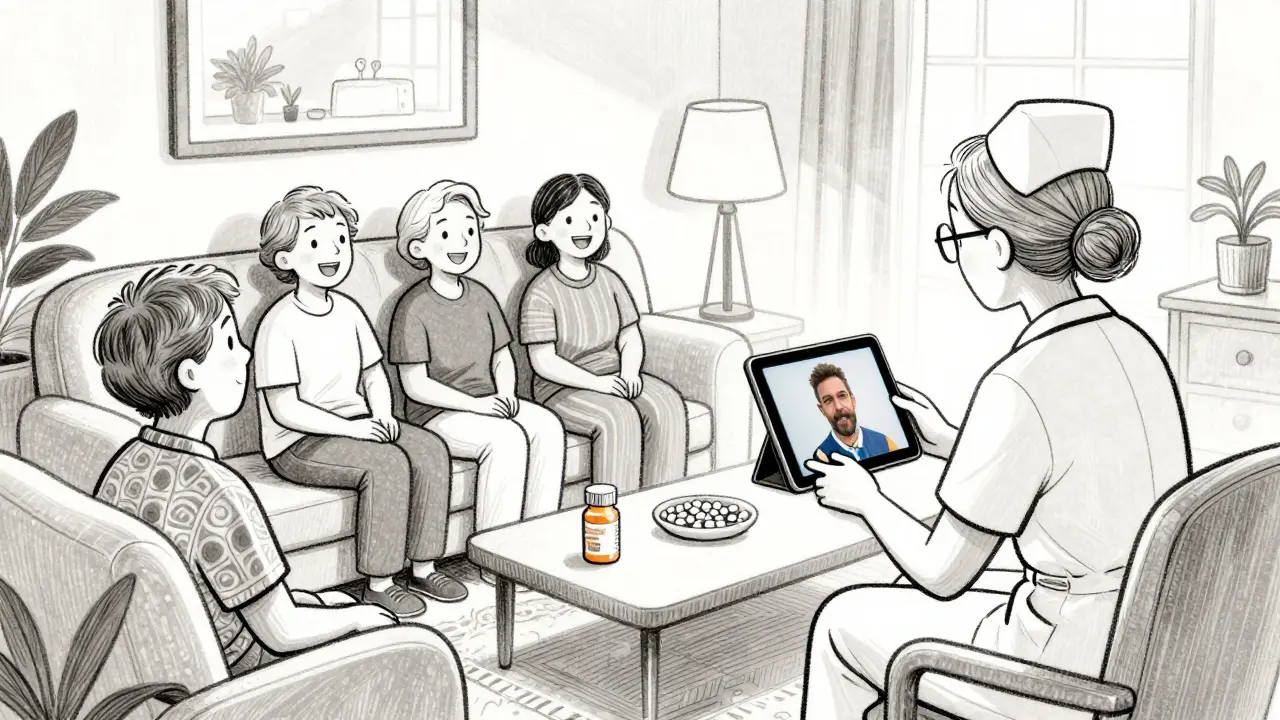
Many older patients don’t, but their family members do. A 2025 survey found that 68% of patients over 65 had someone in their household who helped them find health info online. Offer printed QR codes on leaflets that link to your Instagram or Facebook page. Even if they don’t scroll themselves, someone else might-and that’s still a win.
Is it safe to share patient stories on social media?
Yes-if you get consent. Always ask patients in writing if they’re okay with their story being shared. Don’t show faces if they’re uncomfortable. Use voiceovers or silhouettes. Never share names, addresses, or specific medical details like diagnosis codes. The goal is to inspire, not expose.
Can small clinics afford to do this?
Absolutely. You don’t need a team. One staff member using a free phone and a free app like CapCut can create 3 videos a week. Many local pharmacies in the UK are already doing it. The biggest cost isn’t money-it’s time. But the payoff? Fewer repeat calls, fewer medication errors, and patients who feel heard.
All Comments
Patrick Merrell January 27, 2026
This is exactly why we need to stop treating patients like children who can't read. If you give someone a 60-second video that shows them how to take their pill, they'll remember it. No jargon. No tiny font. Just real life. Leaflets are a relic. We're in 2026.
Kipper Pickens January 28, 2026
The pharmacokinetic equivalence of generic formulations is statistically non-inferior to brand-name counterparts, per FDA AND MHRA bioequivalence thresholds. However, the psychological placebo effect mediated by perceived brand integrity remains a significant confounder in adherence metrics. Social media narratives circumvent this by leveraging peer validation as a cognitive anchor.
Aurelie L. January 28, 2026
I saw a video of a woman crying because she couldn't afford her brand-name meds. Then she showed her generic bottle. Said, 'Same pill. Same results.' I cried too. This isn't education. It's justice.
Joanna Domżalska January 30, 2026
So let me get this straight. We're trusting TikTok influencers to explain medicine because leaflets are too hard? What's next? YouTube doctors diagnosing cancer from selfies? This isn't progress. It's a dumpster fire wrapped in a Reel.
Faisal Mohamed January 30, 2026
The ontological shift from textual to visual epistemology in pharmaceutical literacy is profound. The affordances of algorithmic curation on Instagram and TikTok create a distributed cognitive architecture where patient narratives function as heuristic proxies for clinical authority. This isn't just education-it's epistemic democratization.
Josh josh January 30, 2026
so like... u just film urself taking ur pill and post it? no cap? thats it? no studio? no script? yeah that works. my grandma watched one and finally got her blood pressure thing right. no joke.
bella nash February 1, 2026
The utilization of social media platforms for the dissemination of pharmaceutical information represents a paradigmatic departure from conventional patient education models predicated upon printed documentation. While the efficacy of such modalities has been empirically validated, the ethical implications regarding informed consent, data privacy, and the potential for algorithmic amplification of misinformation warrant rigorous scrutiny.
Curtis Younker February 2, 2026
Guys. This is the most important thing happening in healthcare right now. Not AI. Not robots. Not fancy new drugs. It’s real people-grandmas, college kids, factory workers-telling their stories in their kitchens, with their phones, no makeup, no script. And suddenly, people actually understand what they’re taking. I’ve seen it. I work in a clinic. The calls dropped. The errors dropped. The trust? It went through the roof. This isn’t marketing. It’s healing. And it’s cheap. You don’t need a team. You just need to care enough to hit record.
Shawn Raja February 3, 2026
Oh wow. So now we’re outsourcing medical education to Instagram influencers who got 10K followers because they did a dance with their insulin pen? Brilliant. Let’s just let TikTok decide what’s safe. Next up: YouTube tutorials on how to self-prescribe antibiotics. Meanwhile, the real doctors are still stuck reading 40-page leaflets while patients scroll past their posts because ‘too corporate.’
Allie Lehto February 5, 2026
i swear if one more person says 'just use capcut' i'm gonna scream. you think this is easy? my cousin tried posting a video and got 300 comments from people saying her meds caused cancer. she had to delete it. no one checks if the info is legit. they just scream and share. this isn't helping. it's chaos.
Henry Jenkins February 6, 2026
I’ve been watching this shift for years. The real win here isn’t the 52% adherence increase-it’s the quiet dignity it restores. Patients aren’t being lectured anymore. They’re being listened to. A 72-year-old woman explaining she pays £1.50 instead of £12? That’s more powerful than any clinical trial. It’s human. It’s relatable. And it’s scalable. The problem isn’t the platform-it’s the institutions that still think patients need to be taught, not included. We’re not just changing how people learn. We’re changing who gets to speak.
Dan Nichols February 8, 2026
The only reason this works is because people are desperate. They’re tired of being talked down to. They’re tired of paying $200 for a pill that’s identical to the $2 version. Social media didn’t fix healthcare. It exposed how broken it was. Now we’re using memes and Reels to patch a system that should’ve been fixed decades ago. Don’t call it innovation. Call it damage control.
Renia Pyles February 8, 2026
You think this is progress? Let me tell you what’s really happening. People are getting scared. They see a video of someone saying their generic made them dizzy and they stop taking it. Then they end up in the ER. The ‘real stories’ aren’t helping-they’re terrifying people into noncompliance. And the worst part? No one’s accountable. Just some random person with a phone and a sob story. This isn’t education. It’s medical anarchy.