GI Bleeding Risk Calculator
This tool estimates your risk of gastrointestinal bleeding when taking SSRIs and NSAIDs together based on research from the American Gastroenterological Association (AGA) guidelines. It uses key risk factors from the AIMS65 scoring system and the 75% increased risk found in multiple studies.
Important: This is a general risk estimate only. Always consult with your healthcare provider for personalized medical advice.
Your risk will appear here after calculation
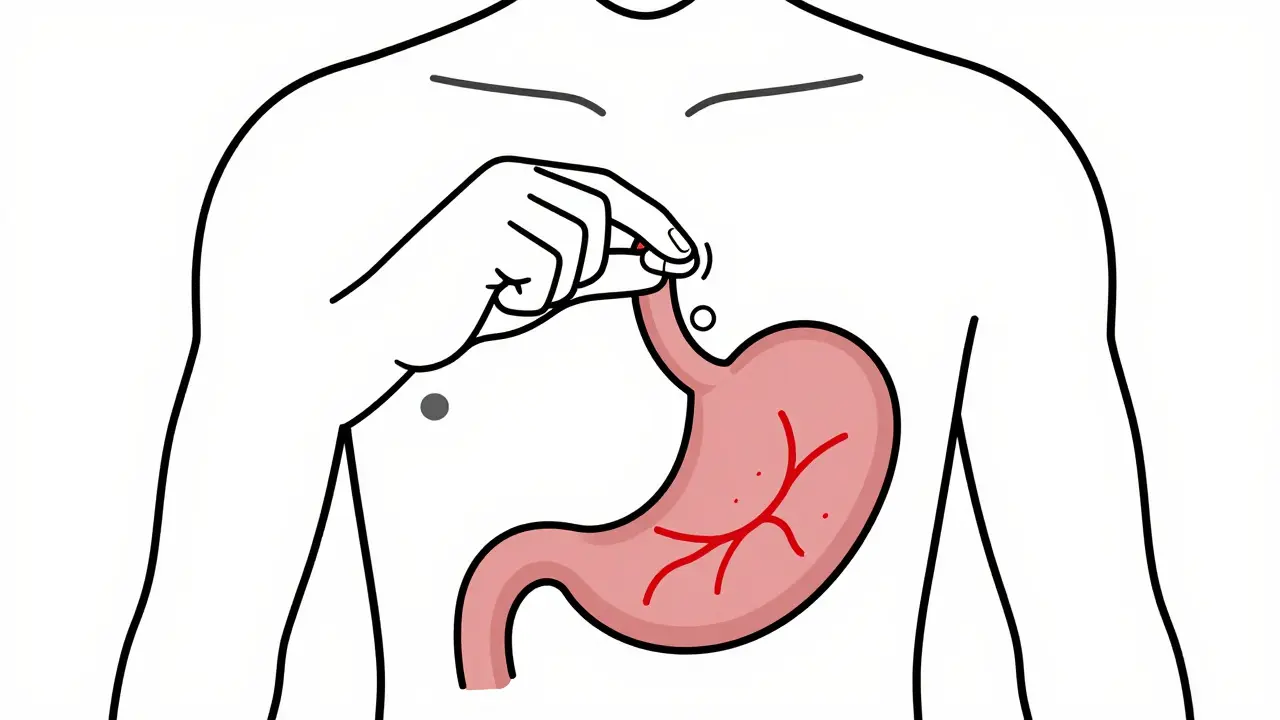
When you take antidepressants like SSRIsSelective serotonin reuptake inhibitors are a class of antidepressants that increase serotonin levels in the brain to treat depression and anxiety. Common examples include fluoxetine (Prozac), sertraline (Zoloft), and citalopram (Celexa). and common pain relievers like ibuprofen together, you might be putting yourself at serious risk of GI bleeding. Research shows this combination increases the chance of stomach bleeding by 75% compared to using NSAIDs alone. This isn't just a small risk-it's a dangerous interaction that's often overlooked.
NSAIDsNonsteroidal anti-inflammatory drugs are pain relievers and anti-inflammatories. Common examples include ibuprofen (Advil), naproxen (Aleve), and diclofenac (Voltaren). work by reducing inflammation and pain, but they also damage the stomach lining and reduce protective prostaglandins. Meanwhile, SSRIs affect how your blood platelets work. Platelets help stop bleeding by clumping together. SSRIs block serotonin uptake in platelets, making them less able to form clots. When taken together, these two effects combine to create a perfect storm for gastrointestinal bleeding.
What the Research Says
A major 2022 meta-analysis in Nature Scientific Reports reviewed data from multiple studies and found a consistent 75% higher risk of upper GI bleeding when SSRIs and NSAIDs are used together. This finding was confirmed by earlier research, including a 2002 JAMA Internal Medicine study that showed a more than 12-fold increase in bleeding risk for people taking both drugs compared to those not taking either.
Another large study in 2023 by Haghbin et al. looked at over 1.2 million patients across 10 studies. They found the risk remained consistent at 75% higher even after adjusting for age, other health conditions, and medications. This means the danger isn't just theoretical-it's a real, measurable threat. The American Gastroenterological Association (AGA) 2020 guidelines explicitly state that this combination requires careful risk assessment.
Who's at Highest Risk?
Older adults face the greatest danger. People over 65, those with a history of stomach ulcers, or those also taking blood thinners like aspirin are especially vulnerable. Even healthy people aren't completely safe-about 1.5% of people on this combination experience bleeding each year. That might sound low, but given how many people take these drugs (over 264 million antidepressant prescriptions and 70 million NSAID prescriptions in the U.S. each year), it adds up to thousands of serious cases.
The risk gets worse with higher doses of NSAIDs and longer SSRI use. Taking more than 1,200 mg of ibuprofen daily or using SSRIs for over 90 days significantly increases your chance of bleeding. For people with multiple risk factors, the danger can be life-threatening. The AIMS65A risk scoring tool used to assess upper GI bleeding risk in patients. It includes factors like albumin levels, INR, mental status, systolic blood pressure, and age. score helps doctors identify high-risk patients by evaluating these specific factors.
NSAID Risk Comparison
| NSAID Type | Common Examples | Bleeding Risk Compared to NSAID Alone | Notes |
|---|---|---|---|
| Non-selective NSAIDs | Naproxen, Diclofenac | 2-4x higher | Strongest risk; avoid with SSRIs if possible |
| Non-selective NSAIDs | Ibuprofen | 1.5-2x higher | Lower risk than naproxen, but still dangerous |
| COX-2 inhibitors | Celecoxib | 1.16x higher | Significantly safer option; preferred when NSAID is necessary |
How to Stay Safe
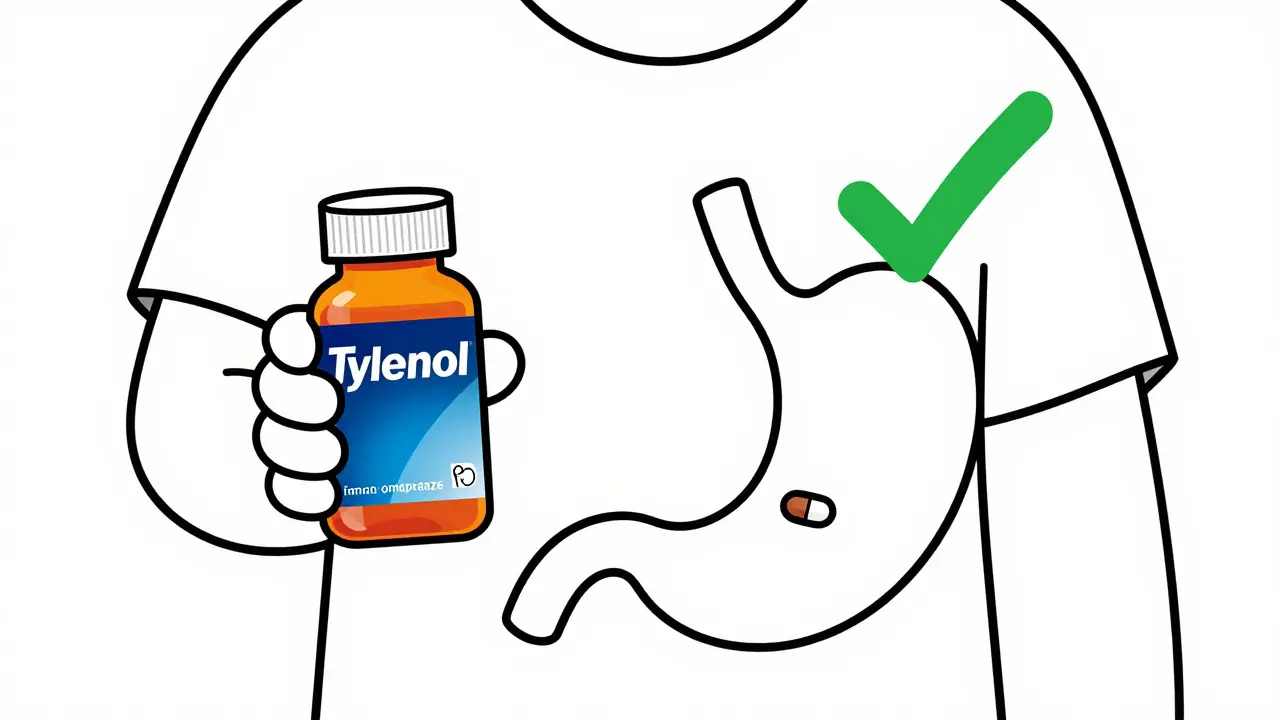
The good news is there are proven ways to reduce this risk. The American Gastroenterological Association recommends taking a proton pump inhibitor (PPI) like omeprazole if you need both drugs. PPIs cut the bleeding risk by about 70%. For example, the absolute risk drops from 1.5% to 0.5% per year with PPI use. Omeprazole 20-40 mg daily is typically prescribed. However, long-term PPI use can have its own risks, so it's important to discuss with your doctor whether the benefits outweigh the risks for your situation.
If possible, switching to acetaminophen (Tylenol) for pain relief is even better. Unlike NSAIDs, acetaminophen doesn't affect platelets or stomach lining, so it's safe with SSRIs. Many patients have successfully managed pain this way-like one person who switched from naproxen to acetaminophen when starting fluoxetine and has had no GI issues in two years.
Doctors should check for risk factors before prescribing. Tools like the AIMS65 score (which looks at albumin levels, INR, mental status, blood pressure, and age) help identify high-risk patients. For those with multiple risk factors, avoiding NSAIDs entirely is safest. A 2021 study in JAMA Internal Medicine showed that clinician education programs reduced inappropriate SSRI-NSAID combinations from 28% to 9% within 6 months across 12 primary care clinics.
Real Patient Stories
One patient on sertraline and ibuprofen for months ended up in the ER with a stomach bleed. Her doctor hadn't warned her about the interaction. She needed a blood transfusion and hospital stay. On the other hand, another patient switched to acetaminophen when starting fluoxetine and has had no GI issues in two years. These stories highlight why awareness matters.
On patient forums, 28% of users report GI side effects from this combination, with 12% specifically mentioning bleeding episodes. Many say they were unaware of the risk until they experienced symptoms. This under-recognition is a major issue in healthcare. For example, a 2021 Medscape case report described a 68-year-old patient who required 3 units of blood transfusion before the SSRI-ibuprofen interaction was recognized as the bleeding cause.
What's Next for Research and Prevention
New tools are emerging to help doctors and patients. The GI-BLEED risk calculator, now available in some electronic health records, uses 12 variables to estimate personalized bleeding risk with 89% accuracy. Future developments include mandatory EHR alerts for this interaction and expanded use of genetic testing to identify high-risk patients.
The FDA is also taking action. Updated labeling for SSRIs now includes specific warnings about NSAID interactions. Ongoing studies like the 2024-2026 Sentinel Initiative will provide more real-world data on this risk. Experts predict a 60% reduction in inappropriate co-prescribing by 2030 as awareness grows. The economic burden is substantial, with estimated annual U.S. healthcare costs of $1.2 billion for SSRI-NSAID related bleeding events based on 2022 Agency for Healthcare Research and Quality data, including $842 million for hospitalizations, $217 million for emergency department visits, and $143 million for follow-up care.
Frequently Asked Questions
What's the real risk of GI bleeding from SSRIs and NSAIDs?
Combined use increases bleeding risk by 75% compared to NSAIDs alone. Absolute risk is about 1.5% per year, but higher in older adults or those with prior ulcers. For people with multiple risk factors, the risk can be significantly greater.
Can I take ibuprofen with my antidepressant?
It's not recommended. Even ibuprofen, which has lower risk than other NSAIDs, still significantly increases bleeding risk when combined with SSRIs. Talk to your doctor about safer alternatives like acetaminophen.
Is it safe to use acetaminophen with SSRIs?
Yes. Acetaminophen (Tylenol) doesn't affect platelets or stomach lining like NSAIDs do, so it's generally safe to use with SSRIs. It's the preferred pain reliever for people taking antidepressants.
What should I do if I'm already taking both?
Contact your doctor immediately. They may recommend stopping the NSAID, switching to acetaminophen, or adding a proton pump inhibitor (PPI) like omeprazole to protect your stomach. Do not stop taking your antidepressant without medical advice.
Are some SSRIs riskier than others?
Yes. SSRIs with stronger platelet effects like paroxetine and fluoxetine may pose higher bleeding risks than others like sertraline or citalopram. However, all SSRIs carry some risk when combined with NSAIDs, so caution is needed regardless of the specific SSRI.
Do PPIs completely eliminate the risk?
No. PPIs reduce the risk by about 70%, but don't eliminate it entirely. They're still the best prevention strategy when NSAIDs must be used. For the highest safety, avoiding NSAIDs altogether is ideal.
What are the symptoms of GI bleeding?
Symptoms include black or tarry stools, vomiting blood (which may look like coffee grounds), severe abdominal pain, dizziness, or feeling faint. If you experience any of these, seek medical attention immediately.
All Comments
Brendan Ferguson February 5, 2026
Research clearly shows that combining SSRIs with NSAIDs significantly increases GI bleeding risk. It's crucial for patients to discuss alternatives like acetaminophen or PPIs with their doctors. Awareness is key to preventing serious complications.
jan civil February 6, 2026
Use Tylenol instead of NSAIDs when on SSRIs.
Laissa Peixoto February 7, 2026
Let's examine the physiological mechanisms at play. SSRIs inhibit serotonin reuptake in the brain, which is therapeutic for depression, but they also affect platelet serotonin uptake. Platelets require serotonin for proper aggregation during clotting, and SSRIs reduce this function. NSAIDs, on the other hand, suppress prostaglandin production in the stomach lining, which normally protects against acid damage. When taken together, the combined effect is a double whammy: weakened stomach defenses and impaired clotting. A 2022 meta-analysis in Nature Scientific Reports found a 75% increased risk of upper GI bleeding with this combination. This risk is consistent across various populations, as confirmed by the 2023 Haghbin study of over 1.2 million patients. Factors like age over 65, prior ulcers, or concurrent blood thinners further elevate the danger. The American Gastroenterological Association recommends proton pump inhibitors (PPIs) to reduce risk by 70%, though they don't eliminate it entirely. For those needing pain relief, acetaminophen is a safer alternative without the bleeding risk. Doctors should proactively screen patients for these interactions. Patient education is critical-many are unaware of this danger. Real-world cases show ER visits and blood transfusions due to this overlooked combination. It's time for healthcare systems to prioritize awareness and safer prescribing practices. This isn't just a medical issue; it's a preventable public health concern.
Gregory Rodriguez February 8, 2026
Wow, because nothing says 'I care about your health' like combining two drugs that make your stomach bleed. Brilliant! Just what we need, another way to end up in the ER. Great job, Big Pharma.
Dina Santorelli February 8, 2026
This is a disaster. No one cares about patients. Just profits. They let people die for money.
Cole Streeper February 9, 2026
Big Pharma knows about this but hides it. They don't want you to know the truth. It's all about control. They're hiding the data.
Thorben Westerhuys February 11, 2026
This is so dangerous! It's terrifying! Why isn't this more widely known?! People need to be warned immediately!
Sam Salameh February 12, 2026
America leads in healthcare. We need to make sure people know this risk. Other countries should follow our lead. It's a national priority.
divya shetty February 13, 2026
It's everyone's responsibility to be careful. Doctors should prescribe better. This is unacceptable. We need stricter regulations.
Jennifer Aronson February 15, 2026
This is a well-documented interaction. Patients should be informed about the risks. Awareness is crucial for prevention. It's a simple step to save lives.
Kate Gile February 17, 2026
We can all take steps to stay safe! Talk to your doctor about alternatives like acetaminophen. Small changes can make a big difference. Let's protect ourselves!
lance black February 17, 2026
Use Tylenol.
Tehya Wilson February 18, 2026
This combination is dangerous.
Johanna Pan February 19, 2026
This is really important. People should know about the risks. I saw this in my doctor's office. It's scary how many people don't know. They need to be informed.