Archive: 2025/12

Signs and Symptoms of Medication Overdose You Should Recognize
- Cheryl Moran
- December 31, 2025
- 12 Comments
Learn the critical signs of medication overdose-from opioids to stimulants to alcohol-so you can act fast and save a life. Includes symptoms, emergency steps, and how to use naloxone.
read more
Clostridioides difficile: Understanding Antibiotic-Associated Diarrhea and How to Prevent It
- Cheryl Moran
- December 30, 2025
- 14 Comments
Clostridioides difficile causes severe antibiotic-associated diarrhea and can be life-threatening. Learn how it spreads, how it’s treated today, and the proven ways to prevent it - especially if you're on antibiotics or over 65.
read more
How to Avoid Duplicate Medications After Specialist Visits
- Cheryl Moran
- December 29, 2025
- 8 Comments
Learn how seniors can prevent dangerous duplicate medications after specialist visits by keeping a clear list, using one pharmacy, and asking the right questions. Simple steps save lives.
read more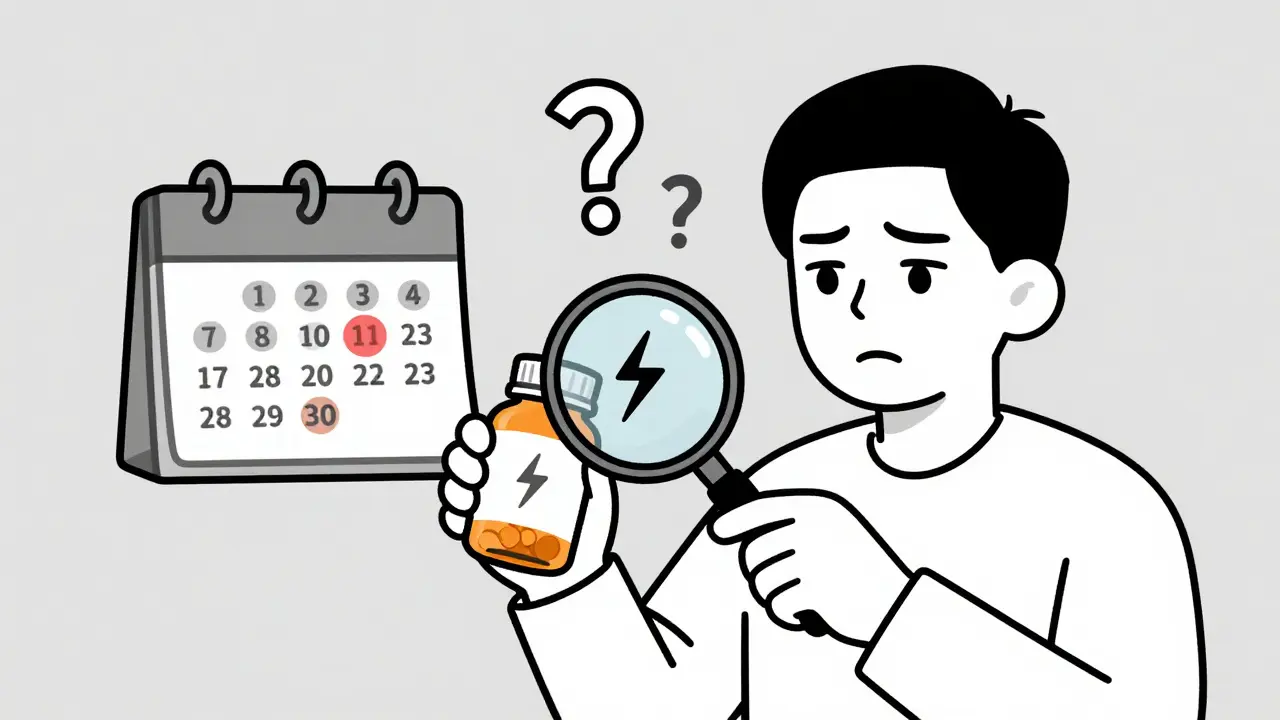
Rare Adverse Events with Generics: When and How to Report Side Effects
- Cheryl Moran
- December 28, 2025
- 14 Comments
Learn when and how to report rare side effects from generic medications. Understand FDA reporting rules, what counts as serious, and why your report matters - even if you're just a patient.
read more
Severe Hypertensive Crisis from Drug Interactions and Reactions
- Cheryl Moran
- December 27, 2025
- 15 Comments
A severe hypertensive crisis from drug interactions can strike suddenly, causing organ damage or death. Learn which medications and foods trigger it, how doctors miss it, and how to prevent it before it's too late.
read more
Hip Labral Tears in Athletes: Diagnosis, Imaging, and Arthroscopy Recovery
- Cheryl Moran
- December 26, 2025
- 12 Comments
Hip labral tears are a common but often missed injury in athletes. Learn how imaging like MRA and arthroscopy diagnose the tear, why conservative treatment sometimes works, when surgery is necessary, and how to safely return to sport.
read more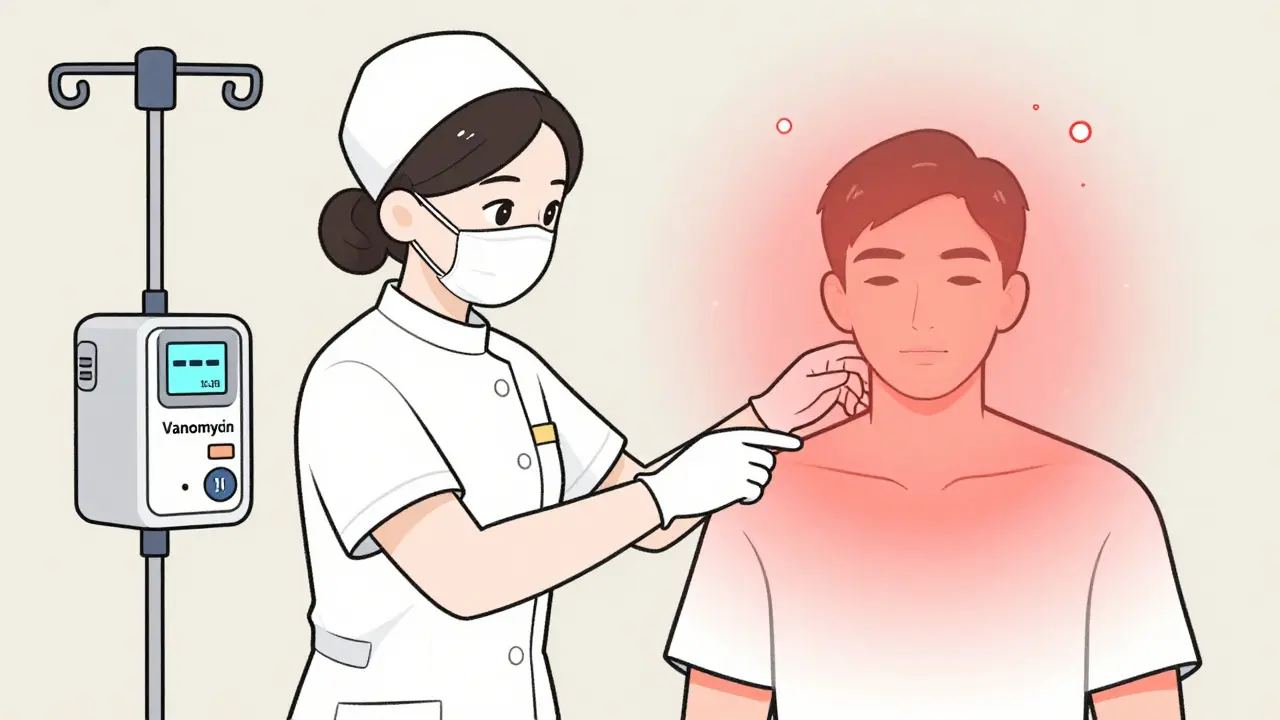
Vancomycin Infusion Reactions: What You Need to Know About Vancomycin Flushing Syndrome
- Cheryl Moran
- December 25, 2025
- 15 Comments
Vancomycin infusion reaction-formerly called red man syndrome-is a common, preventable side effect caused by too-fast IV administration. Learn how to recognize, treat, and avoid it with proper infusion practices.
read more
FDA Medication Safety Apps: Best Mobile Tools for Tracking Drug Side Effects
- Cheryl Moran
- December 24, 2025
- 12 Comments
Discover the best FDA-referenced mobile apps for tracking drug side effects, checking interactions, and staying safe with your medications. Learn how Medisafe, Drugs.com, and others help prevent errors.
read more
How to Track Adherence with Medication Lists and Logs: Simple, Proven Methods That Work
- Cheryl Moran
- December 23, 2025
- 14 Comments
Learn how to track medication adherence with simple, proven methods-from paper logs to smart pillboxes. Discover what works best for different ages and conditions, and avoid common pitfalls that make adherence tracking fail.
read more
Small Intestinal Bacterial Overgrowth: Breath Tests and Treatment Explained
- Cheryl Moran
- December 22, 2025
- 15 Comments
Small Intestinal Bacterial Overgrowth (SIBO) causes bloating, gas, and digestive issues often mistaken for IBS. Breath tests are the most common way to diagnose it, but they’re not perfect. Learn how they work, why they sometimes fail, and what treatments actually help.
read more
Digital Mental Health: Apps, Teletherapy, and Privacy Considerations
- Cheryl Moran
- December 20, 2025
- 11 Comments
Digital mental health apps and teletherapy offer convenient support for anxiety and depression, but privacy risks and low retention rates are major concerns. Learn how to choose safe, effective tools and avoid common pitfalls.
read more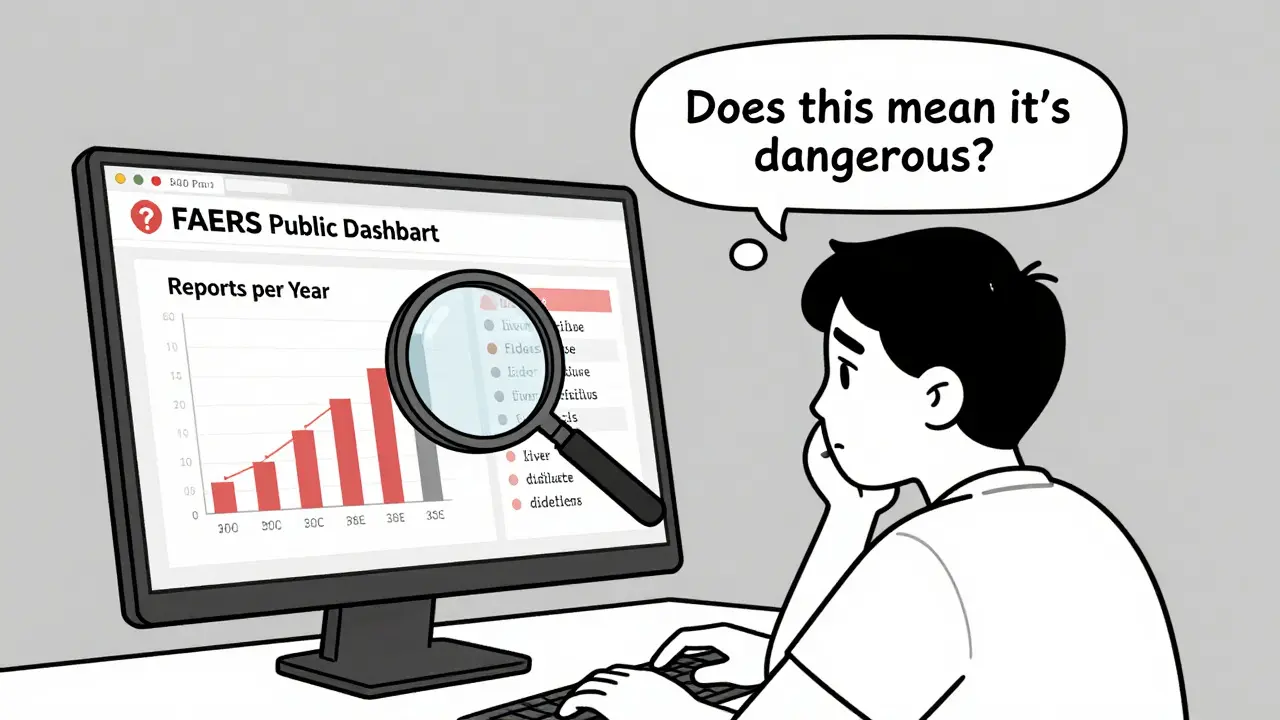
Searching FAERS Side Effect Reports: Practical Tips for Accurate Drug Safety Data
- Cheryl Moran
- December 19, 2025
- 10 Comments
Learn how to search FDA's FAERS database for drug side effects using the Public Dashboard, VisDrugs, and PharmaPendium. Understand the limits of the data and how to avoid common mistakes when interpreting adverse event reports.
read more