Author: Cheryl Moran - Page 2
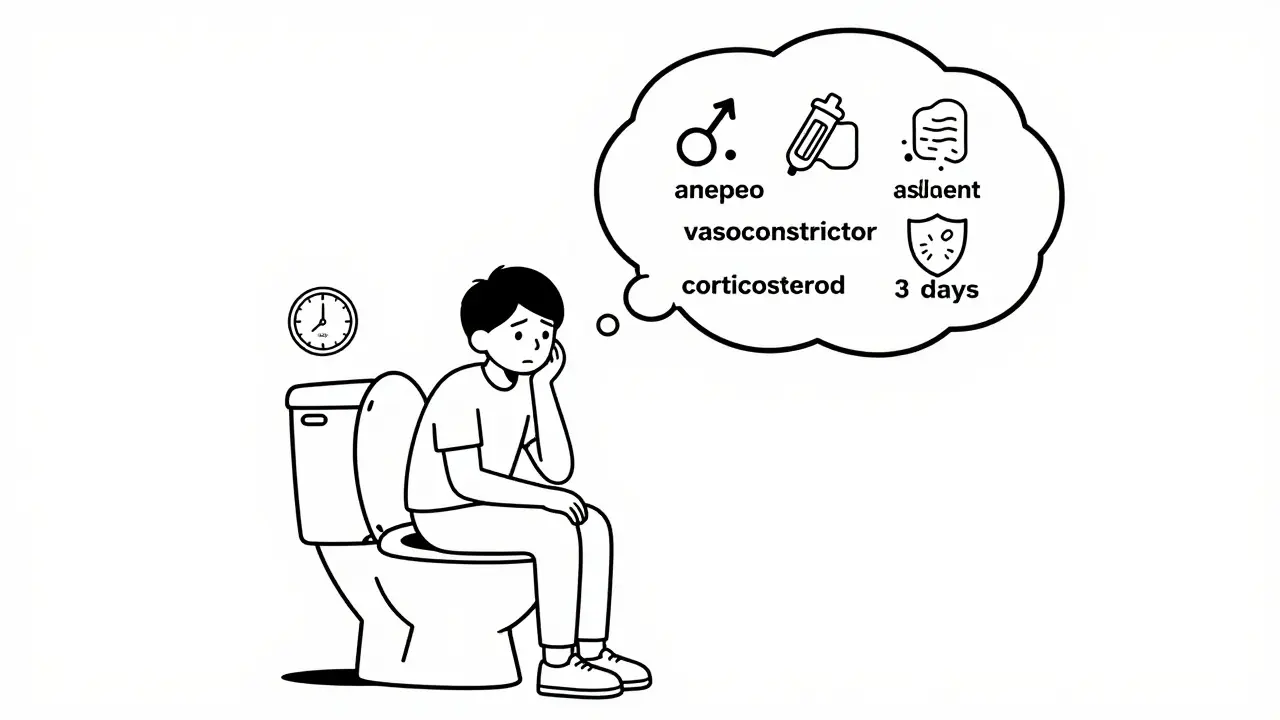
OTC Hemorrhoid Treatments: When to Self-Treat and When to See a Doctor
- Cheryl Moran
- February 18, 2026
- 14 Comments
OTC hemorrhoid treatments can relieve itching and pain, but they don’t fix the root cause. Learn which products work for external vs. internal hemorrhoids, when to use them, and when to see a doctor instead.
read more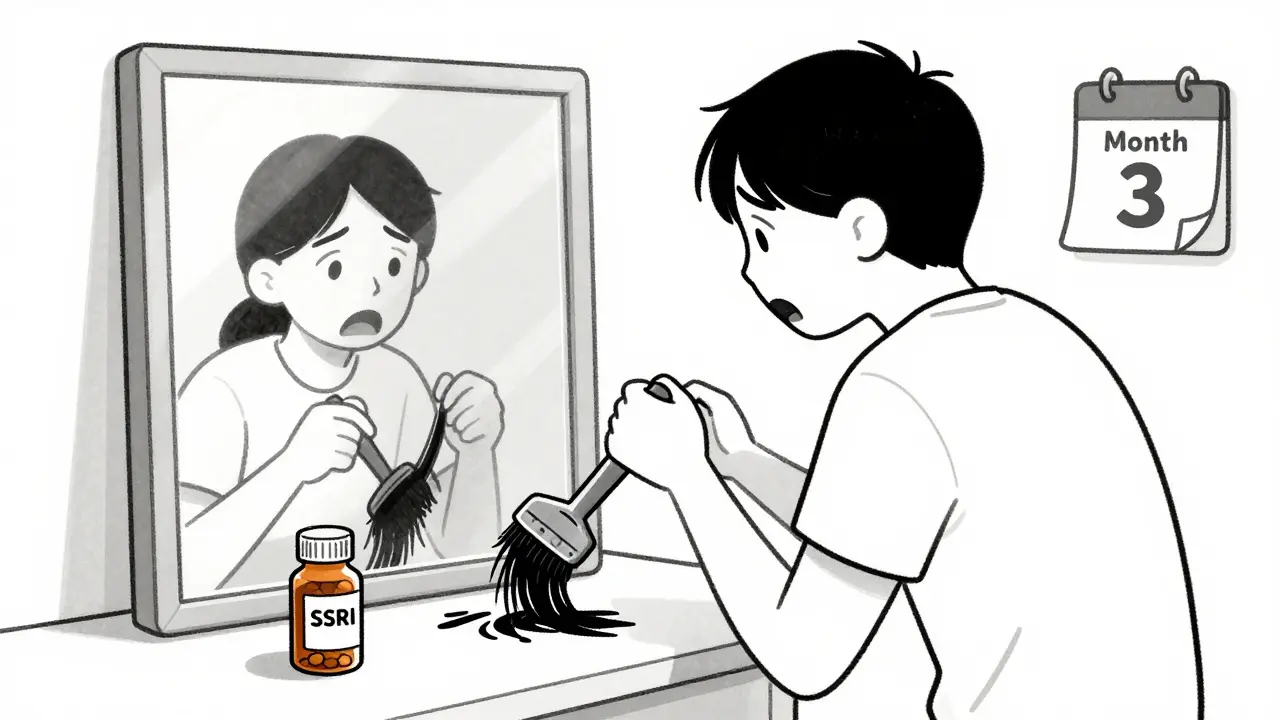
Medication-Induced Hair Loss: Causes and What You Can Do
- Cheryl Moran
- February 15, 2026
- 14 Comments
Medication-induced hair loss is a common side effect of many drugs, from antidepressants to chemotherapy. Learn the two main types - telogen and anagen effluvium - and what actually works to get your hair back.
read more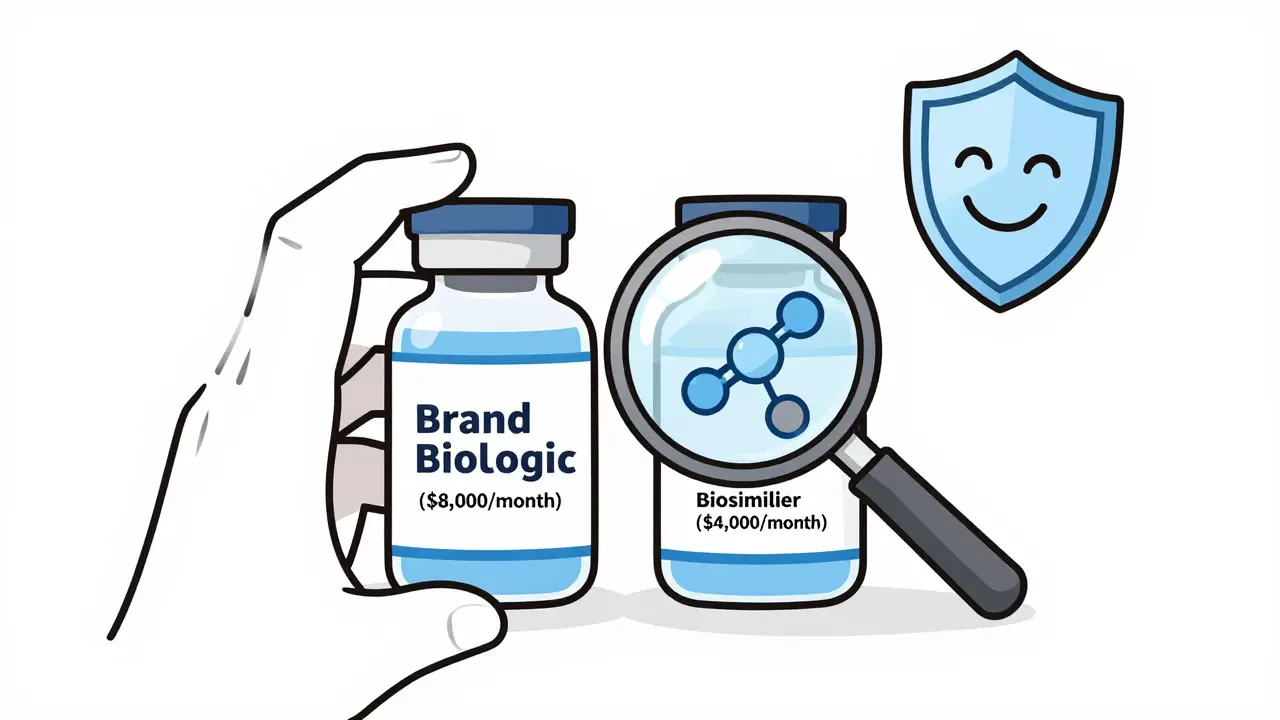
Biosimilar Approval: How FDA Reviews Biologic Alternatives in 2026
- Cheryl Moran
- February 14, 2026
- 8 Comments
The FDA overhauled its biosimilar approval process in 2025, removing costly clinical trials and speeding up access to lower-cost biologic alternatives. Here’s how it works now - and why it matters for patients and providers.
read more
Pregnancy and Autoimmune Disease: Medication Safety and Planning
- Cheryl Moran
- February 11, 2026
- 0 Comments
Pregnancy with an autoimmune disease doesn't mean you have to stop your meds. Evidence shows most treatments are safe - if planned ahead. Learn which drugs to keep, which to switch, and how to protect both you and your baby.
read more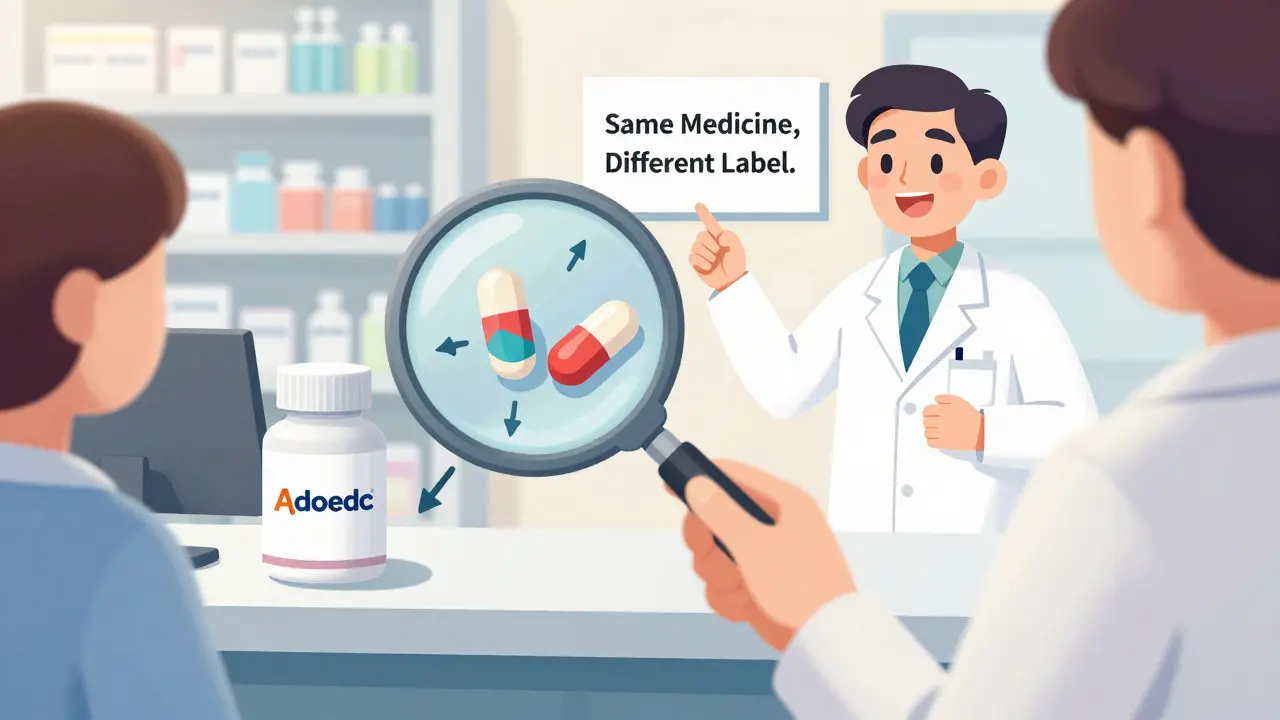
Authorized Generics List: Which Drugs Offer This Option
- Cheryl Moran
- February 8, 2026
- 15 Comments
Learn which prescription drugs offer authorized generics - identical to brand-name versions but at lower prices. Discover key examples, how they differ from regular generics, and how to find them.
read more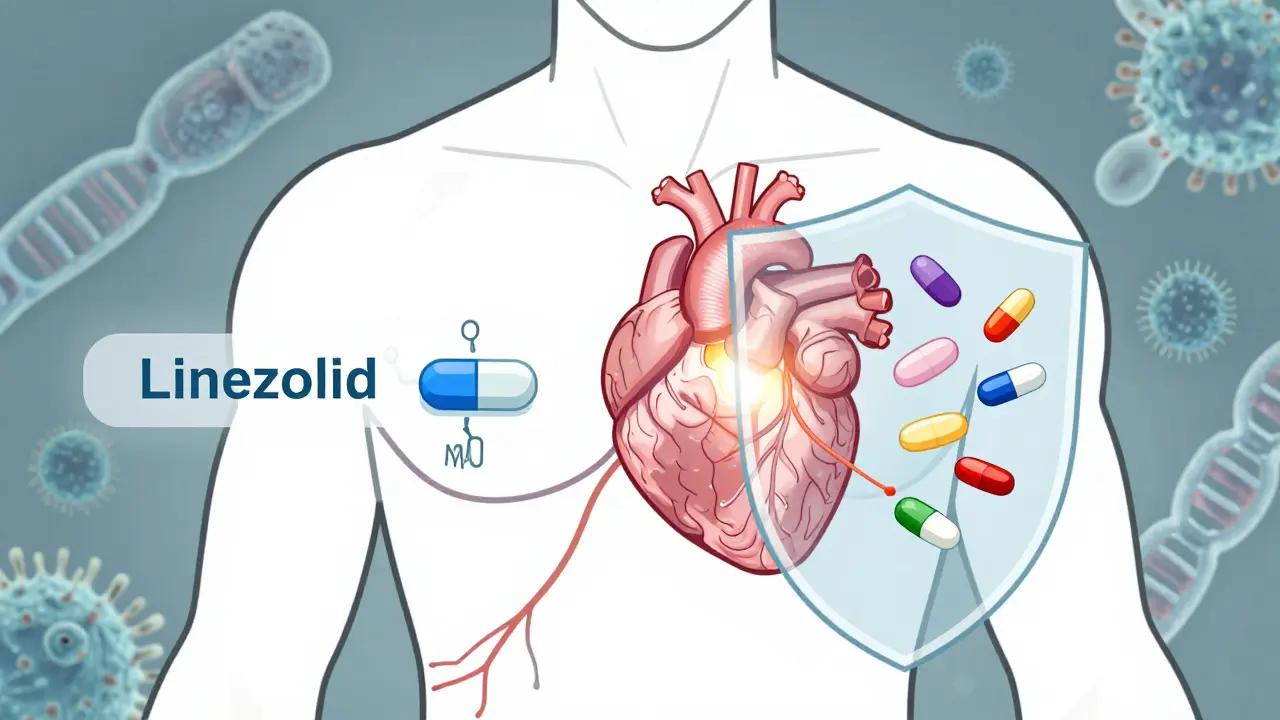
Linezolid and Serotonin Syndrome: What You Need to Know About Antidepressant Risks
- Cheryl Moran
- February 7, 2026
- 10 Comments
Linezolid is a critical antibiotic for resistant infections, but concerns about serotonin syndrome with antidepressants persist. New data shows the risk is extremely low-under 0.5%-making it safe for most patients when monitored.
read more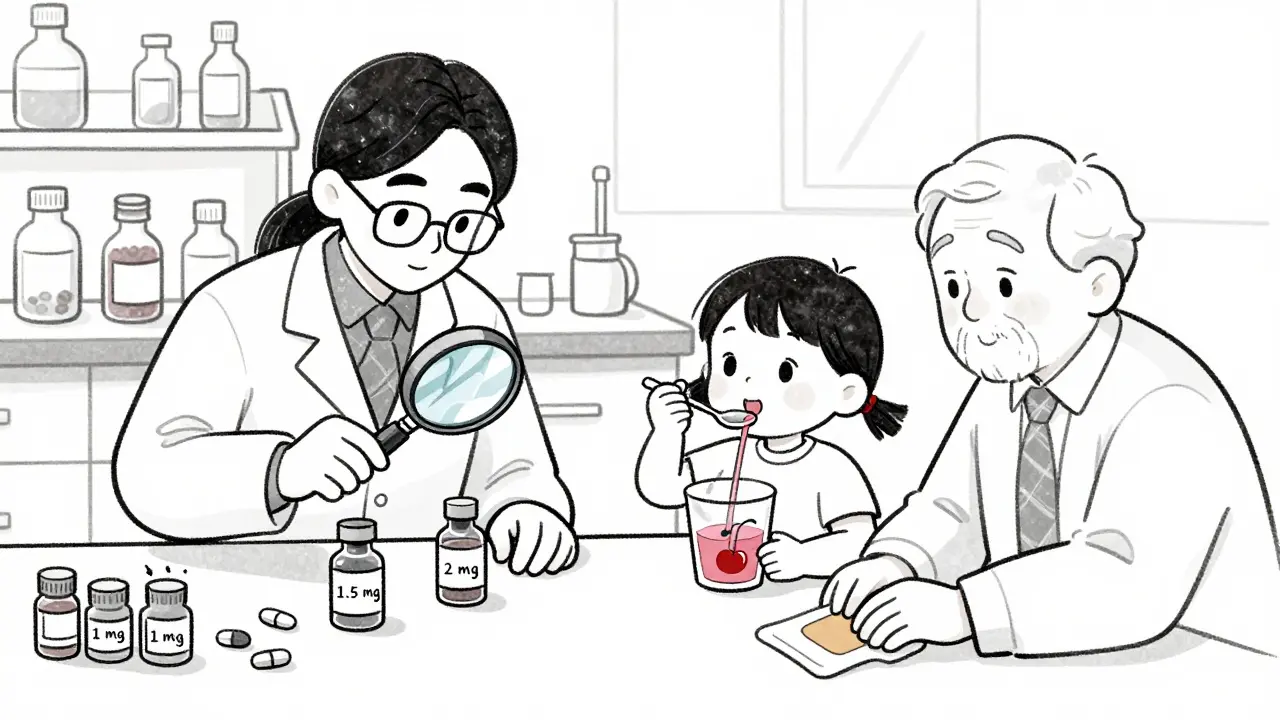
Compounded Medications: When Custom Formulas Are Needed
- Cheryl Moran
- February 7, 2026
- 11 Comments
Compounded medications are custom-made formulas for patients who can't use standard drugs due to allergies, dosage needs, or difficulty swallowing. They help thousands but carry risks if not made properly. Learn when they're necessary-and how to stay safe.
read more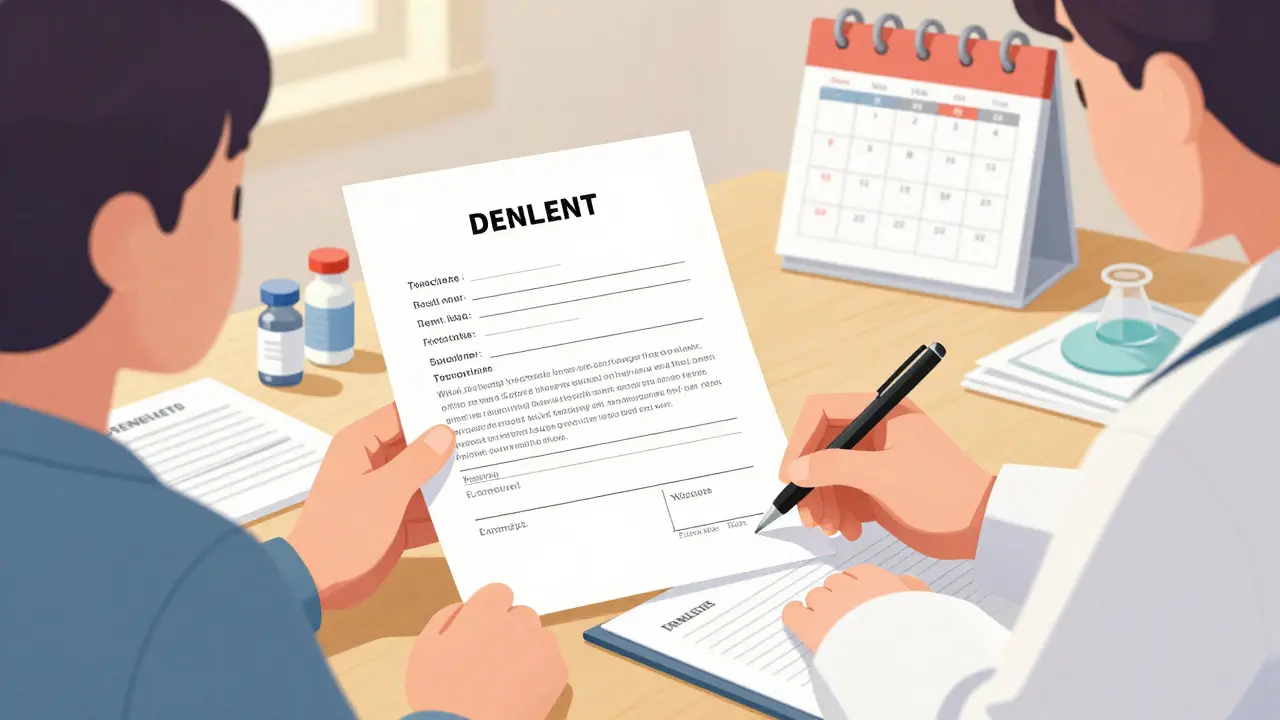
How to Appeal Insurance Denials for Brand-Name Medications
- Cheryl Moran
- February 7, 2026
- 11 Comments
Learn how to successfully appeal insurance denials for brand-name medications with step-by-step guidance, doctor letter tips, and real-world success rates. Know your rights and act fast.
read more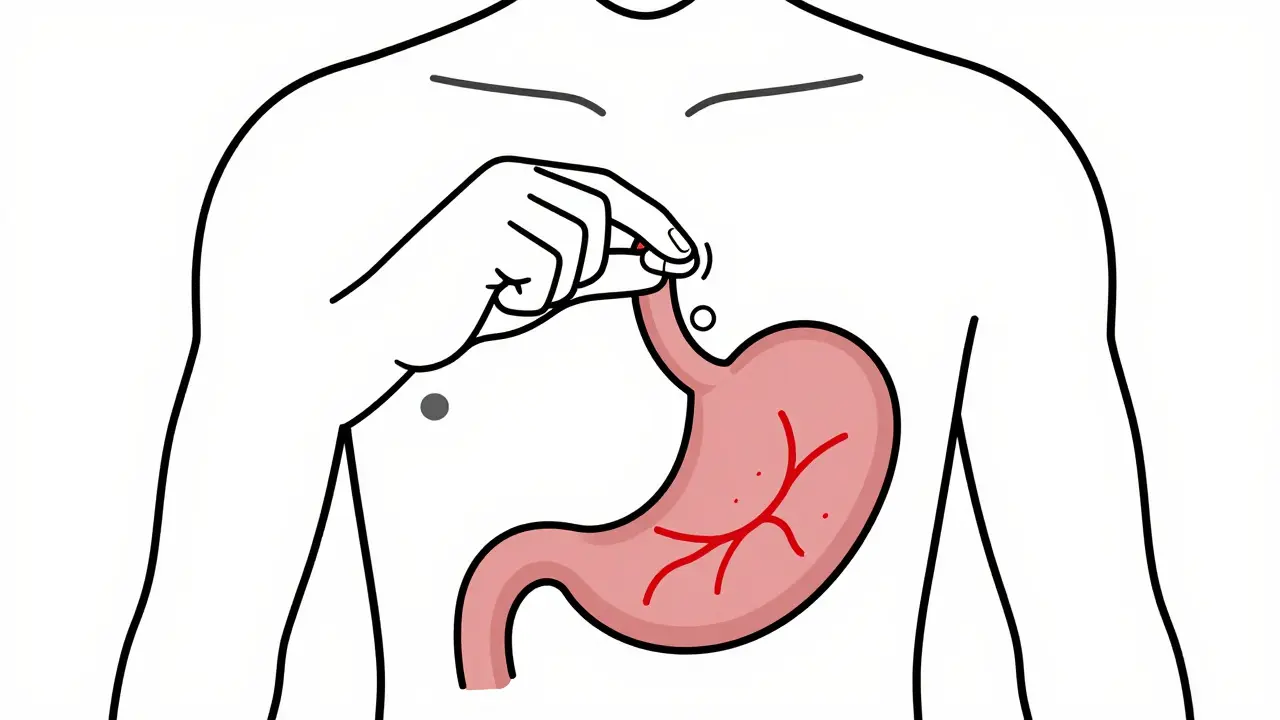
SSRIs and NSAIDs: The Hidden Risk of GI Bleeding and Effective Prevention Strategies
- Cheryl Moran
- February 4, 2026
- 14 Comments
Learn about the dangerous interaction between SSRIs and NSAIDs that increases GI bleeding risk. Find out prevention strategies backed by clinical research to stay safe.
read more
Immunotherapy: How Checkpoint Inhibitors and CAR-T Cell Therapy Are Changing Cancer Treatment
- Cheryl Moran
- February 3, 2026
- 9 Comments
Checkpoint inhibitors and CAR-T cell therapy are transforming cancer care by using the immune system to fight tumors. Learn how they work, their side effects, access challenges, and why combining them is the next big step.
read more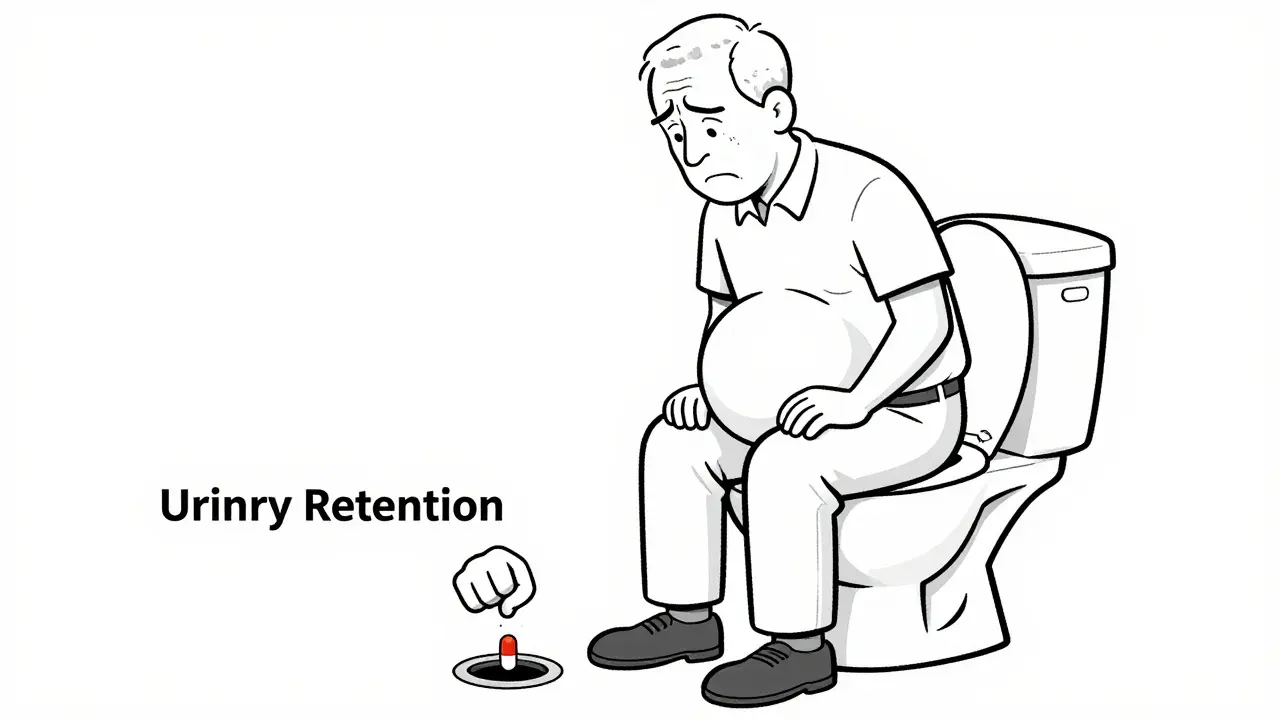
Anticholinergics and Urinary Retention: How Prostate Issues Make the Risk Much Worse
- Cheryl Moran
- February 2, 2026
- 11 Comments
Anticholinergics for overactive bladder can cause dangerous urinary retention in men with enlarged prostates. Learn why these drugs are risky, what safer alternatives exist, and what to ask your doctor before taking them.
read more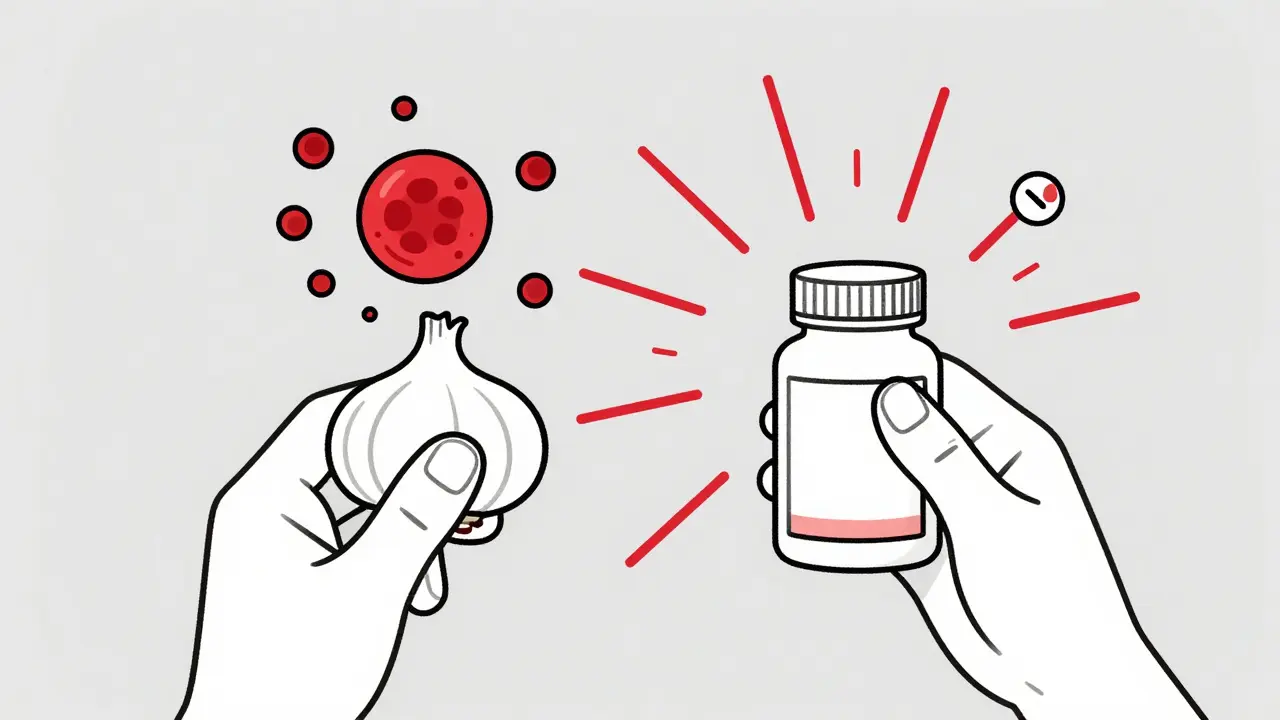
Garlic Supplements and Anticoagulants: What You Need to Know About Bleeding Risks
- Cheryl Moran
- February 1, 2026
- 11 Comments
Garlic supplements may help heart health, but they significantly increase bleeding risk when taken with blood thinners. Learn how ajoene affects platelets, why dosage matters, and what steps to take to stay safe.
read more