Category: Health & Medicine - Page 6

Digital Mental Health: Apps, Teletherapy, and Privacy Considerations
- Cheryl Moran
- December 20, 2025
- 11 Comments
Digital mental health apps and teletherapy offer convenient support for anxiety and depression, but privacy risks and low retention rates are major concerns. Learn how to choose safe, effective tools and avoid common pitfalls.
read more
Searching FAERS Side Effect Reports: Practical Tips for Accurate Drug Safety Data
- Cheryl Moran
- December 19, 2025
- 10 Comments
Learn how to search FDA's FAERS database for drug side effects using the Public Dashboard, VisDrugs, and PharmaPendium. Understand the limits of the data and how to avoid common mistakes when interpreting adverse event reports.
read more
Key Medication Safety Terms Patients Should Know and Use
- Cheryl Moran
- December 18, 2025
- 12 Comments
Learn the key medication safety terms every patient should know - from the Eight Rights to adverse drug events - to prevent errors and protect your health. Simple questions can save your life.
read more
Key Medication Safety Terms Patients Should Know and Use
- Cheryl Moran
- December 18, 2025
- 12 Comments
Learn the essential medication safety terms every patient should know to prevent dangerous errors. From the Eight Rights to high-alert drugs, understand how to protect yourself and speak up in any healthcare setting.
read more
Migraine Combination Medications: Generic Options and How They Work
- Cheryl Moran
- December 17, 2025
- 11 Comments
Discover how generic migraine combination meds like sumatriptan/naproxen and Excedrin Migraine offer stronger, longer-lasting relief at a fraction of the cost. Learn which combos work best and how to use them safely.
read more
Quality Control in Manufacturing: Safety Standards That Protect Patients
- Cheryl Moran
- December 16, 2025
- 14 Comments
Quality control in medical device manufacturing ensures every device works safely and as intended. With FDA adopting ISO 13485:2016 in 2026, global standards are aligning to prevent patient harm through rigorous testing, risk management, and traceability.
read more
Side Effects After Switching to Generics: When to Worry
- Cheryl Moran
- December 15, 2025
- 13 Comments
Switching between generic drugs can cause real side effects - especially for medications with narrow therapeutic indices. Learn which drugs are risky, why it happens, and what to do if you feel worse after a switch.
read more
Combination Drugs: Weighing the Convenience Against the Risk of Multiple Ingredients
- Cheryl Moran
- December 15, 2025
- 13 Comments
Combination drugs reduce pill burden and improve adherence but carry risks like inflexible dosing and hidden drug interactions. Learn which FDCs are scientifically justified and which to avoid.
read more
Cannabis and CNS Depressants: Risks of Combined Sedation and How to Stay Safe
- Cheryl Moran
- December 15, 2025
- 10 Comments
Combining cannabis with CNS depressants like benzodiazepines or opioids can cause dangerous sedation, slowed breathing, and overdose. Learn the risks, who's most vulnerable, and how to stay safe.
read more
Rifampin Induction: How It Lowers Anticoagulant and Antiviral Levels
- Cheryl Moran
- December 12, 2025
- 9 Comments
Rifampin can drastically lower levels of anticoagulants and antivirals by inducing liver enzymes, leading to dangerous drops in drug effectiveness. Learn how this interaction works, which drugs are affected, and what to do if you're on both.
read more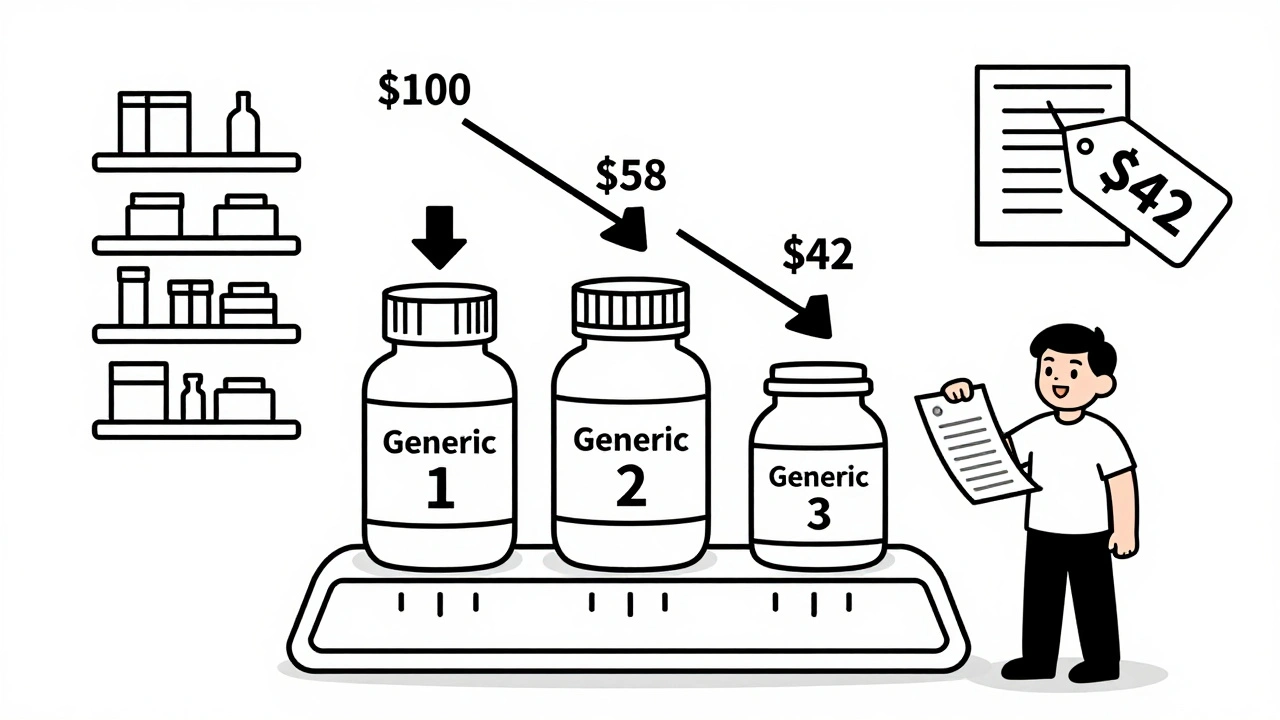
How Second and Third Generic Drugs Drive Down Prescription Prices
- Cheryl Moran
- December 11, 2025
- 10 Comments
Second and third generic drug entries drive down prescription prices by 36% and 27% respectively, saving patients billions. More competitors mean lower costs-unless market barriers block new entrants.
read more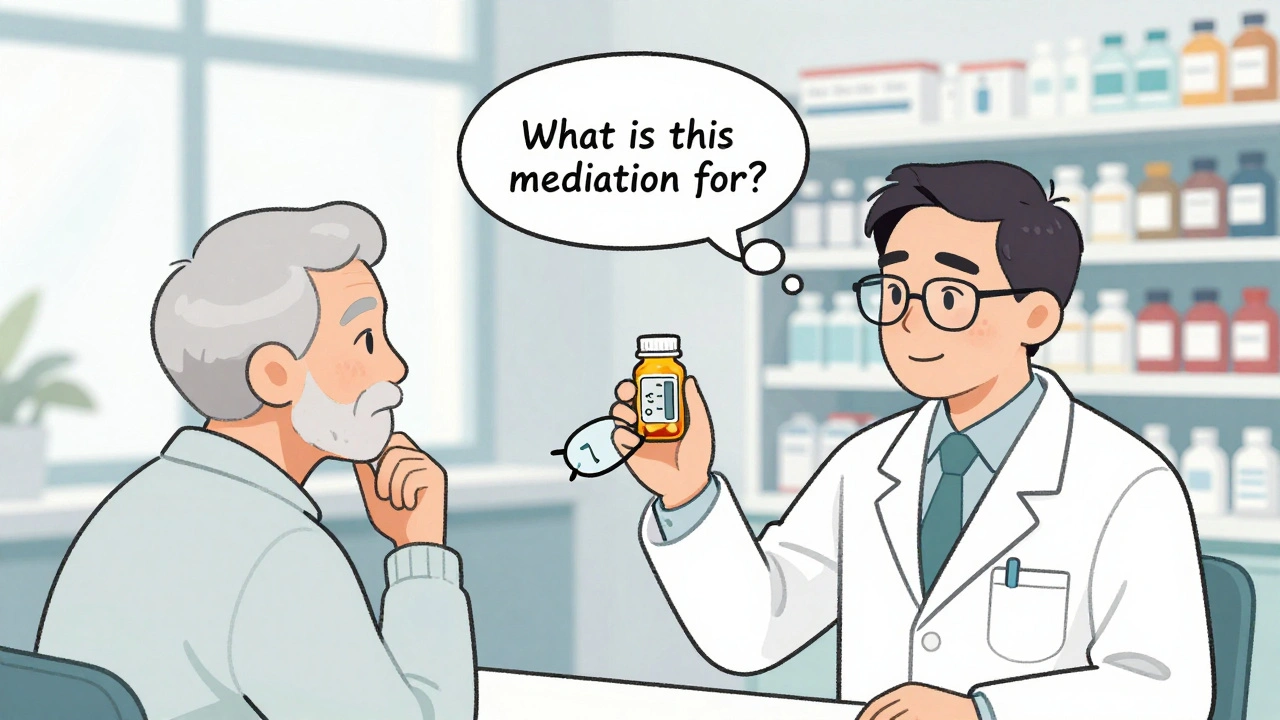
How to Use Patient Counseling to Catch Dispensing Mistakes in Pharmacy Practice
- Cheryl Moran
- December 10, 2025
- 15 Comments
Patient counseling catches 83% of dispensing errors before they reach patients-far more than barcode scans or double-checks. Learn the proven four-step method pharmacists use to stop mistakes, who needs it most, and how to implement it without slowing down your pharmacy.
read more